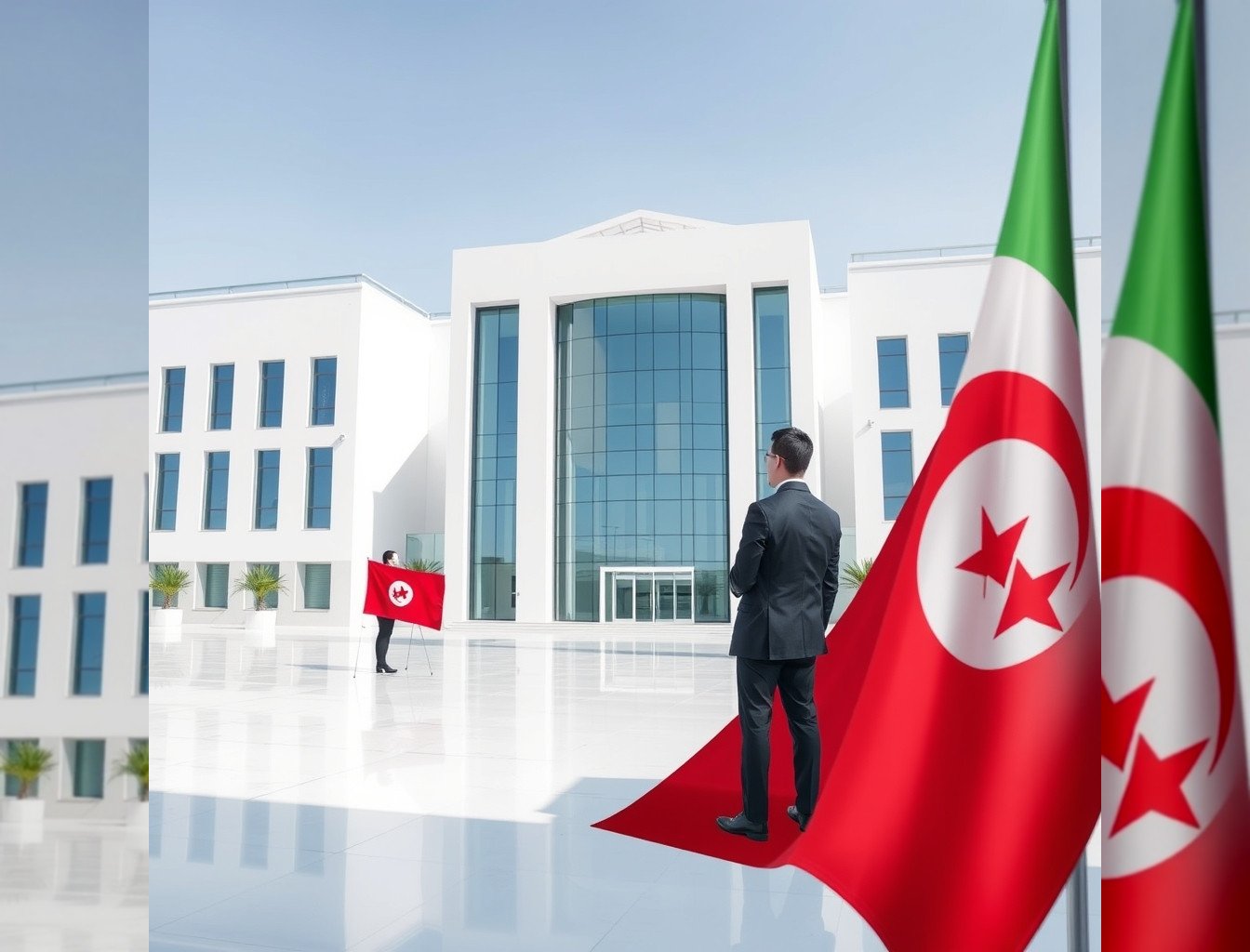
Algeria’s Agence Algérienne de Promotion de l’Investissement (AAPI) has signaled a major shift in its approach to foreign investors, explicitly targeting Tunisian business leaders with streamlined support and direct access to high-value sectors. During a recent meeting in Algiers, AAPI Director General Omar Rekkache pledged to cut red tape, fast-track project approvals, and help Tunisian firms identify lucrative opportunities in Algeria—from manufacturing to renewable energy. The move comes as Tunisian entrepreneurs, many of them part of the Algerian diaspora, seek stable markets amid their country’s economic turbulence.
For Algerian founders and the diaspora, this could mean new partnerships, cheaper production costs, and a gateway to North Africa’s largest economy. But how do you capitalize on this? Here’s what the details reveal—and what they mean for your business.
Tunisian Firms Test Algeria’s Market—With Algerian Backing
The Algerian side, represented by Souheil Guessoum, president of the Confédération Algérienne du Patronat Citoyen (CAPC), emphasized simplified procedures for Tunisian investors. This is critical: Algeria’s bureaucracy has long been a hurdle for foreign entrepreneurs, but the AAPI’s direct intervention could slash setup times by 30–50% for approved projects, according to industry estimates.
Key sector opportunities highlighted in the talks:
– Agro-processing: Algeria’s food imports exceed $4 billion annually, with Tunisian firms already supplying olive oil, dates, and dairy. Local integration could cut costs further.
– Renewable energy: Algeria’s 54GW solar and wind targets by 2035 create demand for Tunisian engineering and equipment firms, especially in desalination and grid integration.
– Logistics & manufacturing: Tunisian textile and automotive suppliers could benefit from Algeria’s free trade zones and proximity to the EU market.
Why This Matters for Algerian Entrepreneurs—and the Diaspora
The Algerian diaspora, particularly in France, Canada, and the Gulf, should take note: dual Maghrebi investments are becoming a strategic play. Many Tunisian-Algerian entrepreneurs are already active in e-commerce, fintech, and green energy, and this AAPI push could accelerate cross-border collaborations.
Concrete advantages for Algerian founders:
– Shared risk: Tunisian partners often have stronger ties to EU supply chains, reducing export barriers.
– Local knowledge: Tunisian firms understand Algeria’s regulatory quirks better than distant investors.
– Diaspora leverage: Algerian expats in Tunisia can act as local ambassadors, smoothing negotiations.
The Catch: Bureaucracy Still Lingers—But the Rules Are Changing
What Tunisian investors should demand upfront:
1. Pre-approved sector lists (e.g., “If you invest in solar, your permit will be issued in 15 days”).
2. Joint AAPI-CAPC guarantees on land access and tax breaks.
3. Clear exit strategies in case of policy shifts (Algeria’s investment climate can shift with political cycles).
For Algerian entrepreneurs eyeing Tunisian partners, the priority is due diligence. Tunisia’s economic instability—high public debt, currency depreciation, and political uncertainty—means some Tunisian firms may need Algerian backing to stabilize their projects.
Sources
💡 Starting a business in Algeria? GlobalStart guides you step by step: procedures, real costs, company forms (SARL, EURL, SPA) and CNRC registration.