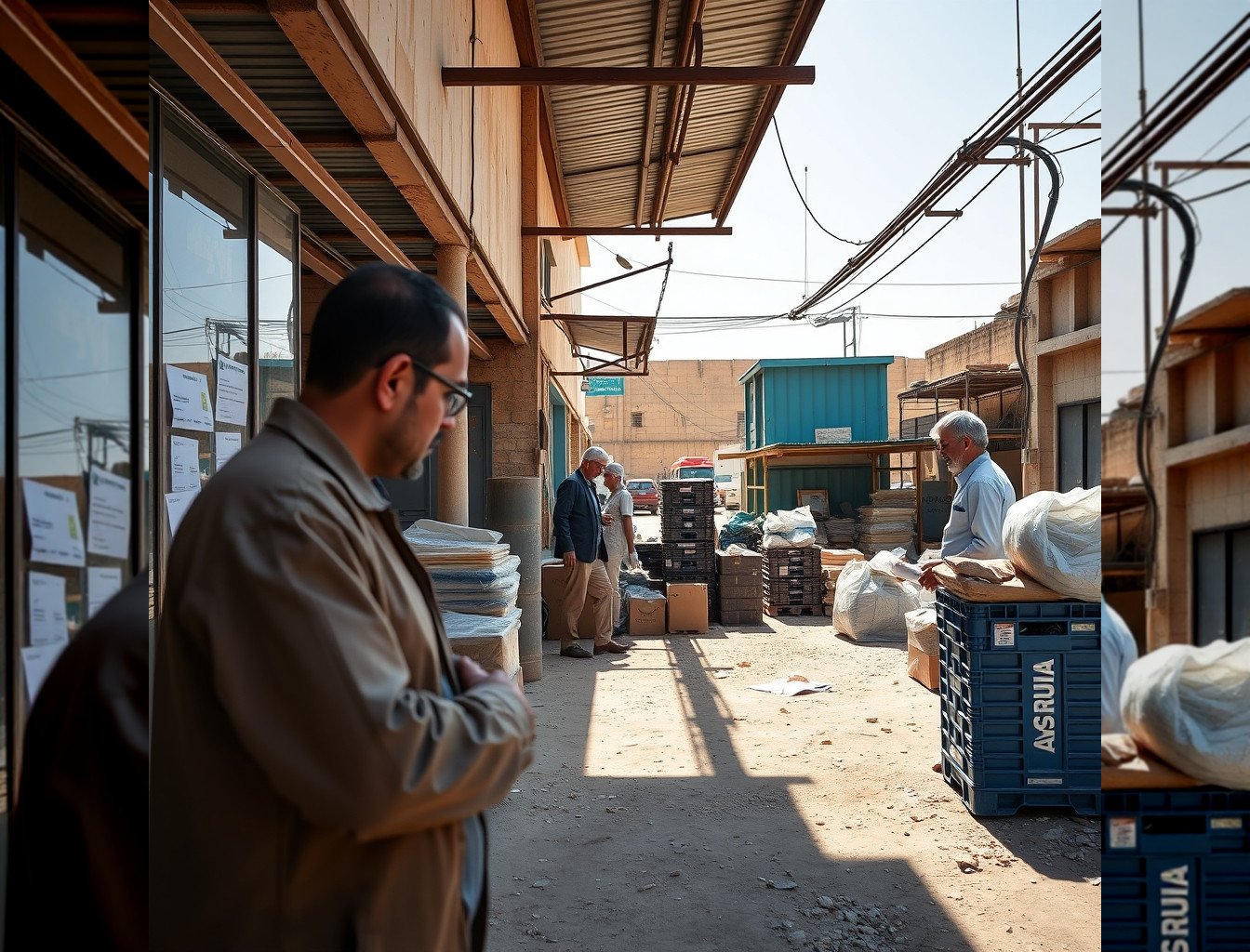
Algeria’s economic ties with Israel remain a high-stakes gamble for entrepreneurs, as recent revelations about British taxpayer-funded support for Israeli military programs expose the fragility of cross-border business in a politically charged region. While Algeria has long maintained a cautious stance on normalizing trade with Israel—amid diplomatic tensions over Palestine—local business owners now face a new reality: any collaboration with Israeli entities could trigger reputational and financial backlash.
British charity scandal forces Algerian exporters to reassess Israeli partnerships
A recent investigation by Declassified UK uncovered how British taxpayers indirectly funded therapy programs for Israeli soldiers involved in Gaza operations, through the charity UK Toremet. The organization, registered in the UK, funneled donations to the Yahalom Foundation, an Israeli group supporting elite military units. Donors could claim 25% tax relief via the UK’s Gift Aid scheme, effectively turning British public money into support for Israeli military personnel.
For Algerian exporters eyeing Israeli markets, this scandal underscores the legal and ethical minefield of engaging with Israeli firms. While Algeria has no formal trade embargo against Israel, its state-owned companies—like SONATRACH—have historically avoided direct deals due to political sensitivities. Smaller Algerian businesses, however, have quietly explored niche opportunities in tech, agriculture, and energy. But now, any partnership risks being tainted by associations with Israeli military-linked entities, even indirectly.
The revelation also raises questions about European Union sanctions on groups like Regavim, an Israeli settler organization funded by UK Toremet. If Algerian firms unknowingly deal with sanctioned entities—whether through joint ventures or supply chains—they could face financial penalties or reputational damage. Entrepreneurs must now conduct due diligence beyond compliance, scrutinizing not just their partners but their partners’ partners.
Algerian diaspora businesses caught in the crossfire
For Algerians abroad—particularly in Europe—this controversy hits close to home. Many in the diaspora have built businesses in sectors where Israeli firms are present, such as agritech, renewable energy, or cybersecurity. A 2025 report by the Algerian Ministry of Commerce estimated that over 300,000 Algerian entrepreneurs operate in the EU, with some indirectly linked to Israeli supply chains.
Take the case of Algerian agritech startups exporting dates or olive oil to European markets. If their logistics providers or packaging suppliers have ties to Israeli firms—even loosely—they could face boycott campaigns or lost contracts. The Boycott, Divestment, and Sanctions (BDS) movement has already targeted companies with Israeli connections, and Algerian businesses are not immune.
Meanwhile, Algerian investors in real estate or fintech must weigh the risks. Israeli venture capital firms have expanded into North Africa, but any Algerian founder raising funds from Israeli-backed investors could face public backlash. The diaspora’s business networks, once seen as a bridge to global markets, now require greater transparency to avoid political entanglements.
SONATRACH and private sector must navigate a shifting landscape
While Algeria’s state-owned energy giant SONATRACH has historically avoided direct Israeli ties, private sector players are increasingly active in LNG, solar energy, and desalination—sectors where Israeli firms like Edelweiss Energy or Gazit Energy operate. Recently, Algerian renewable energy firms have explored partnerships with Israeli tech companies for smart grid solutions, but the UK Toremet scandal adds a layer of uncertainty.
The Algerian government has not commented on the issue, but local business leaders warn that investor caution is rising. A survey by the Algerian Federation of Entrepreneurs (FPA) found that 42% of SMEs with international ambitions now prioritize non-Israeli markets over potential high-growth opportunities in Israel. The fear is not just legal—it’s reputational. Algerian brands, still rebuilding trust after years of economic instability, cannot afford to be linked to controversies over military support.
For entrepreneurs, the lesson is clear: diversify supply chains and partnerships. Relying on a single market—even a high-growth one like Israel—poses risks in today’s geopolitical climate. Algerian business leaders are now re-evaluating their exposure to Israeli-linked ventures, opting instead for European, Turkish, or UAE-based alternatives.
Sources
middleeastmonitor.com
Declassified UK
Key takeaway for entrepreneurs
Algerian businesses must treat Israeli partnerships as high-risk until geopolitical tensions ease. Diversifying supply chains and avoiding indirect ties to military-linked firms will protect long-term credibility. The diaspora’s business networks should prioritize transparency to prevent boycott threats from activist groups.
💡 Starting a business in Algeria? GlobalStart guides you step by step: procedures, real costs, company forms (SARL, EURL, SPA) and CNRC registration.