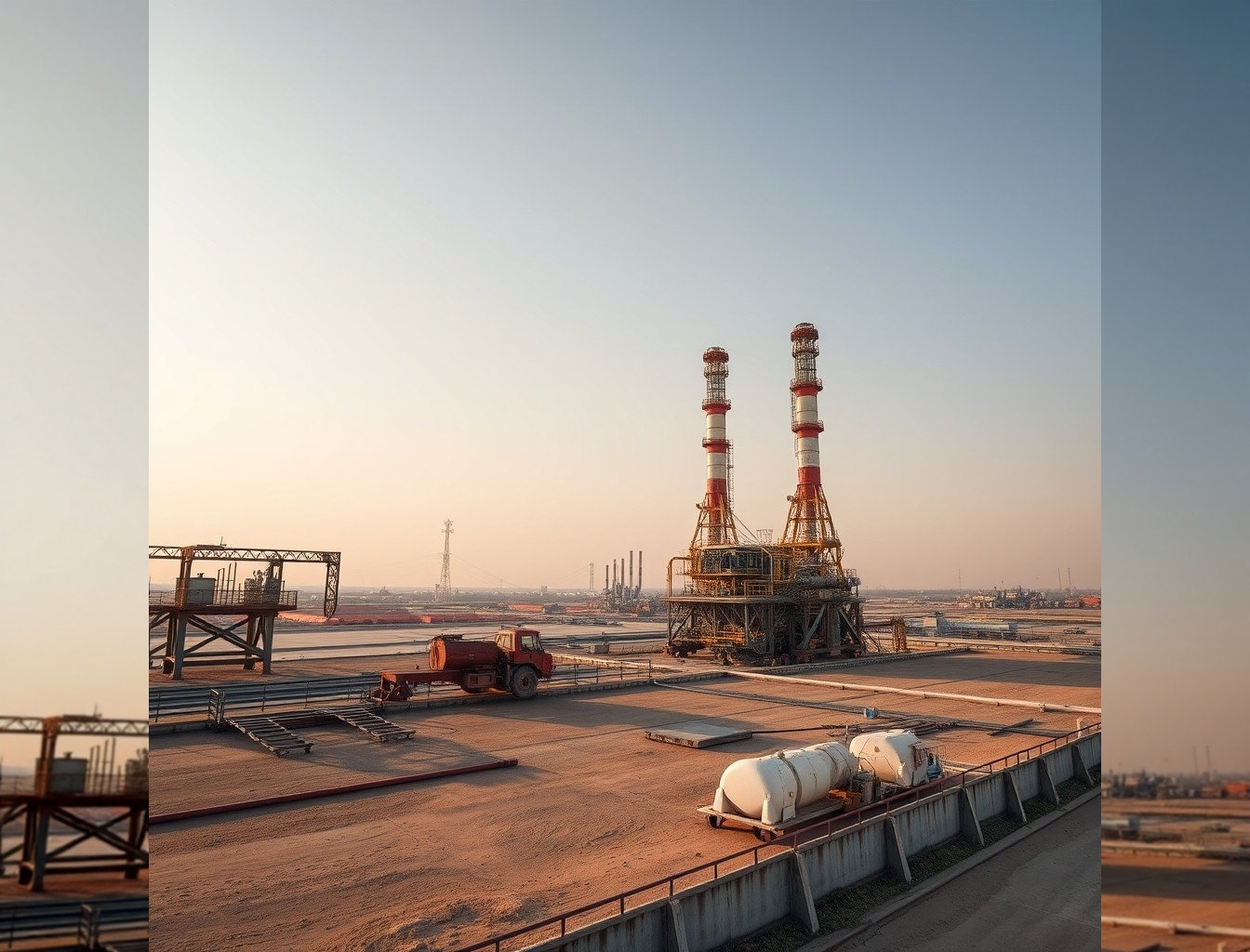
A fuel hub in flames
For Algeria, this is more than a distant geopolitical shock. The country imports around 20% of its refined fuel needs from Saudi Arabia, particularly during peak demand seasons. The attacks come as Algeria’s domestic refining capacity—long strained by underinvestment—struggles to meet demand. SONATRACH, the state oil giant, has repeatedly warned of supply tightness, and the Houthi strikes could force Riyadh to prioritize domestic needs, squeezing Algerian imports.
Ripple effects on Algerian businesses
Small and medium-sized enterprises (SMEs) will bear the brunt. Transport costs—already a pain point for Algerian traders—could surge further. The National Transport Federation (FNT) estimates that 30% of SMEs rely on diesel-powered logistics, from food delivery to construction. Meanwhile, energy-intensive industries, such as cement and phosphate production, may see production delays if fuel allocations tighten.
A wake-up call for Algeria’s energy strategy
For Algerian entrepreneurs, the lesson is clear: diversify supply chains. Some business owners are already turning to European and Turkish suppliers for fuel, despite higher costs. Others are investing in solar-powered logistics to reduce diesel dependence. The diaspora, particularly in France and Canada, is also stepping in—Algerian expat traders are rerouting shipments through Mediterranean ports to avoid Saudi bottlenecks.
The diaspora’s silent solution
This informal network highlights a broader trend: the Algerian diaspora is becoming a lifeline for local businesses. Remittances hit a record $12 billion in 2025, but now, entrepreneurship in the diaspora is also solving domestic shortages. Startups like AlgeriaFuelConnect, a digital platform linking Algerian importers with European suppliers, have seen user growth surge by 60% in three months.
Sources
Middle East Monitor
Soar Atlas
Key takeaway for entrepreneurs
The Houthi attacks on Saudi fuel infrastructure are a warning shot for Algerian businesses: energy supply chains are fragile, and local solutions are no longer optional. Entrepreneurs should diversify fuel sources, explore alternative energy logistics, and leverage the diaspora’s networks to hedge against future disruptions. Those who act now will outmaneuver competitors when the next crisis hits.
💡 Starting a business in Algeria? GlobalStart guides you step by step: procedures, real costs, company forms (SARL, EURL, SPA) and CNRC registration.