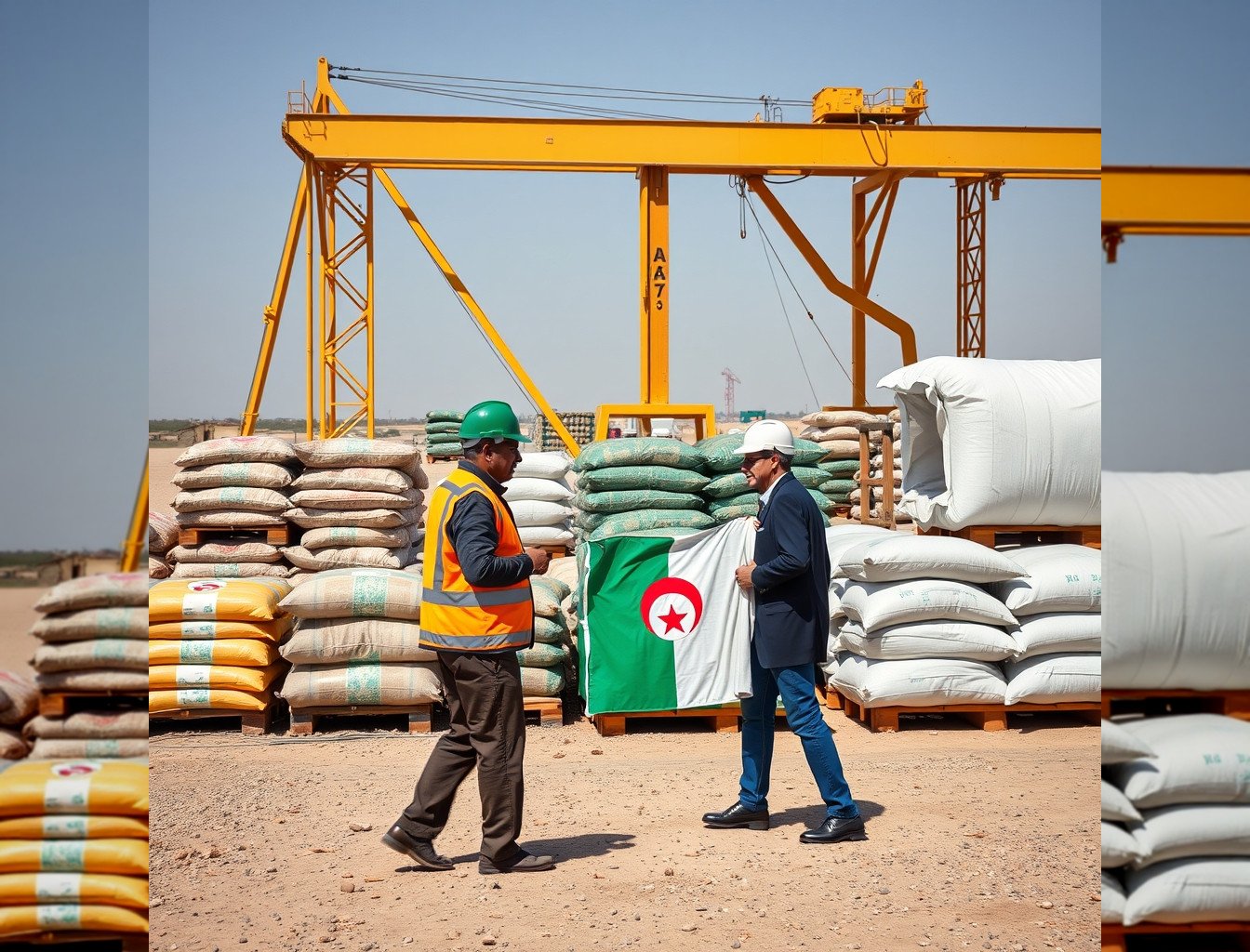
New laws threaten Algerian-EU trade links worth billions
Algerian businesses with ties to European markets are facing a sharp legal shift that could disrupt trade worth hundreds of millions of euros annually. Norway, the Netherlands, and the UK are rolling out prison sentences—up to 10 years in some cases—for companies caught trading with Israeli settlements deemed illegal under international law. The move risks entangling Algerian exporters who rely on European supply chains, particularly in agriculture, textiles, and energy.
The Algerian government has not yet commented on how this will affect its trade agreements with the EU, but local business groups warn of indirect consequences. “Many Algerian firms use European distributors for logistics or re-export,” says Karim Benali, president of the Algerian Chamber of Commerce and Industry (CCIA). “If those partners are penalized for settlement-related transactions, Algerian goods could get caught in the crossfire.”
Agriculture and textiles face the biggest risks
Algeria’s agricultural sector—one of its top EU exports—could be hit hardest. The country ships olives, dates, and citrus fruits to Europe, often through intermediaries. If a Dutch or Norwegian importer is found to have indirectly sourced from a settlement-linked supplier, Algerian exporters might face audits or lost contracts.
Textile manufacturers also depend on European machinery and fabrics, some of which may originate from settlement-linked factories. “Algerian garment exporters already struggle with EU anti-dumping rules,” notes Leïla Hadjadj, a trade lawyer in Algiers. “Now they must also prove their entire supply chain is settlement-free—or risk reputational damage.”
Diaspora businesses must tighten compliance
The Algerian diaspora, particularly in France, Germany, and the Netherlands, runs small and medium enterprises (SMEs) that could be exposed. Many operate in food processing, construction, or retail, where settlement-linked materials or ingredients might slip into their operations.
“Diaspora-owned businesses often don’t realize they’re using settlement products,” says Mohamed Benali, a consultant for Algerian entrepreneurs in Paris. “For example, a Moroccan olive oil supplier in the Netherlands might unknowingly source from a settlement-linked mill. If the Dutch law applies retroactively, Algerian importers could be liable.”
How Algerian firms can protect themselves
To avoid legal pitfalls, Algerian exporters should:
– Audit suppliers for settlement ties, especially in Europe.
– Diversify markets beyond the EU to reduce dependency.
– Lobby the government to clarify how Algeria will handle settlement-related trade disputes with Europe.
The Algerian Ministry of Commerce has not issued guidance, but private sector leaders are pressing for clarity. “We need a national framework to certify our exports as settlement-free,” says Benali of the CCIA. Without it, Algerian businesses could face costly legal battles—or lose access to key markets.
Sources
middleeastmonitor.com
💡 Starting a business in Algeria? GlobalStart guides you step by step: procedures, real costs, company forms (SARL, EURL, SPA) and CNRC registration.