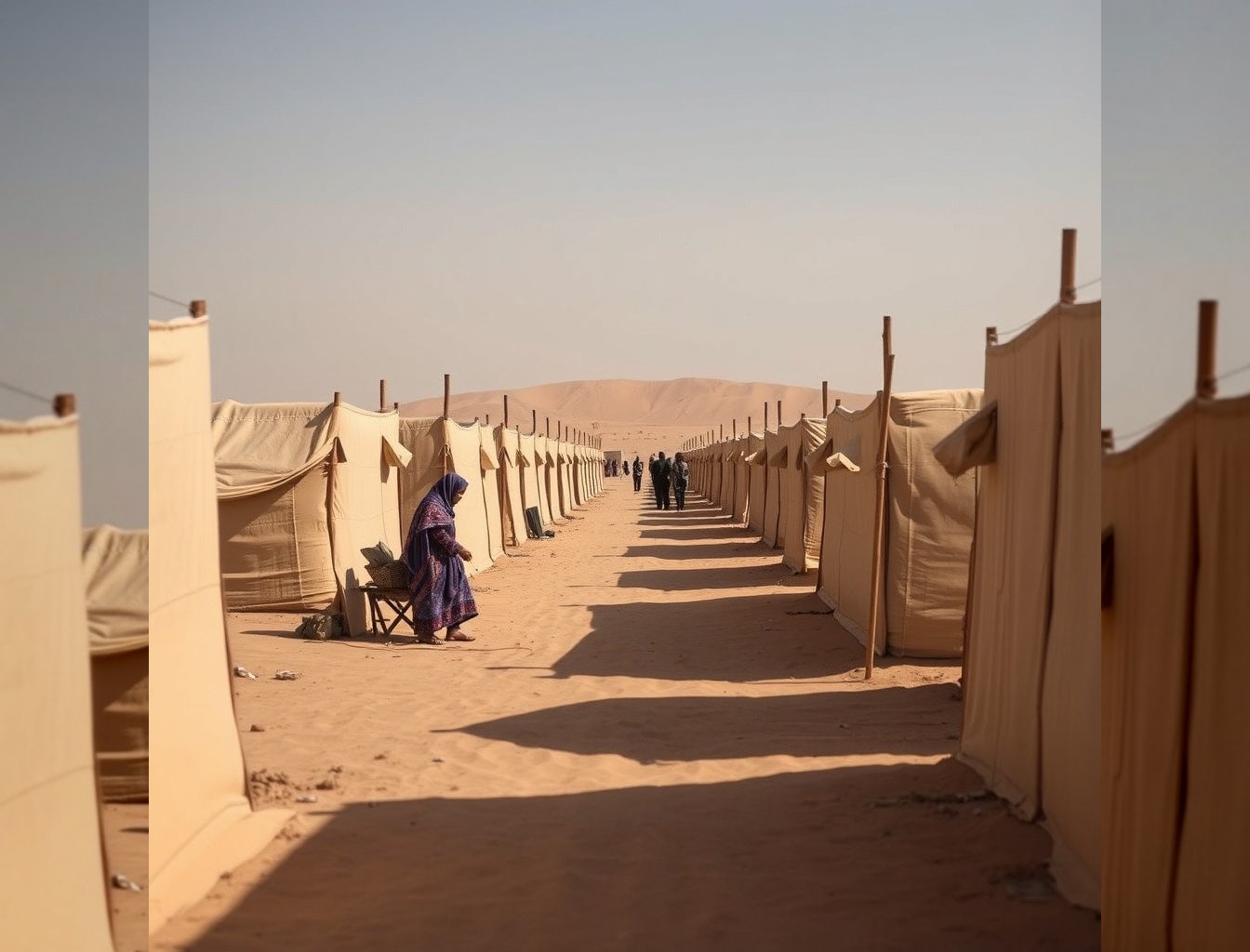
A Human Rights Crisis with Economic Fallout
The PDES report highlights how economic dependency in the camps—where access to jobs, education, and legal protections is severely limited—drives vulnerable populations into exploitative labor or trafficking networks. Women and children are particularly at risk, with reports suggesting forced domestic work, child labor, and cross-border smuggling into neighboring countries. While Algeria has long hosted these refugees under a 1991 agreement with the Polisario Front, the lack of formal integration into the national economy has left a void that criminals now exploit.
Supply Chains Under Scrutiny: How Trafficking Threatens Algerian Trade
For exporters, the reputational damage is equally dangerous. Multinational companies with Algerian partners—especially in textiles, food processing, or mining—could face boycotts or regulatory crackdowns if linked to supply chains tainted by forced labor. The EU’s upcoming Forced Labor Regulation, set for full enforcement in 2027, will require businesses to prove their supply chains are free from exploitation. Algerian firms with ties to Tindouf-based contractors may struggle to meet these standards, risking lost contracts or market access.
Diaspora Investors Face a Moral and Legal Dilemma
For diaspora investors eyeing real estate or small businesses in Algeria, due diligence is now non-negotiable. Properties near Tindouf or linked to refugee-related enterprises may face asset seizures under anti-trafficking laws, both domestically and in host countries. Legal experts warn that investors who unknowingly fund exploitative labor practices could face lawsuits under emerging global regulations, such as the UK’s Modern Slavery Act or the U.S. Trafficking Victims Protection Reauthorization Act.
What Algerian Leaders Must Do to Protect Businesses
Private-sector initiatives are also emerging. The Algerian Employers’ Federation (FPA) has launched a certification program for ethical supply chains, helping businesses verify that their partners comply with labor laws. Meanwhile, diaspora networks like the Algerian Diaspora Investment Agency (ADIA) are advising investors to avoid high-risk sectors in southwestern Algeria unless they can guarantee ethical sourcing.
Sources
Source name
Key takeaway for entrepreneurs
Algerian business founders and diaspora investors must treat Tindouf-related ventures as high-risk until formal labor protections and supply chain transparency improve. Due diligence—especially for exporters, real estate investors, and remittance-linked businesses—is now essential to avoid legal and reputational fallout. The safest bet remains partnering with certified ethical suppliers or redirecting investments toward regions with stronger regulatory oversight.
💡 Starting a business in Algeria? GlobalStart guides you step by step: procedures, real costs, company forms (SARL, EURL, SPA) and CNRC registration.