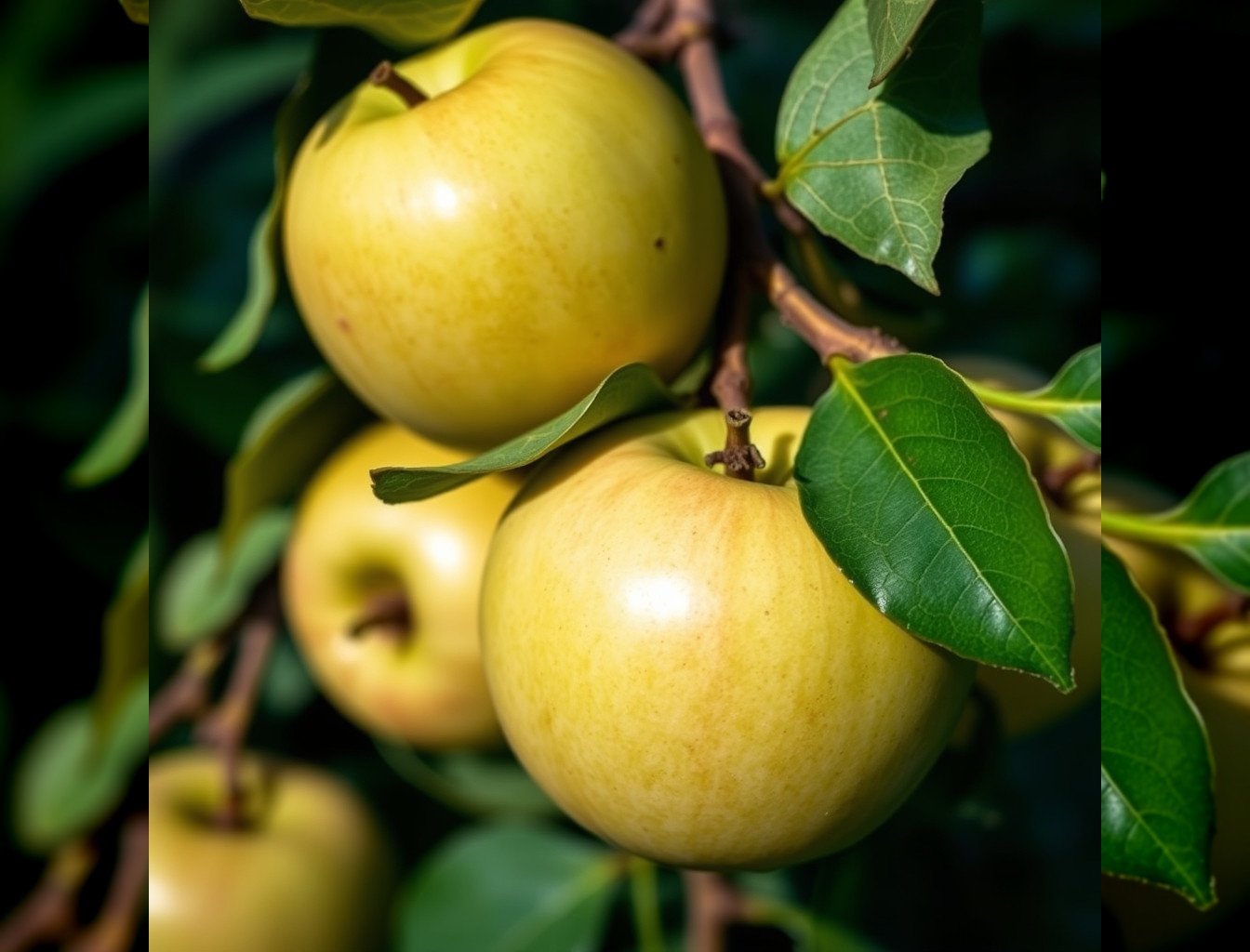
Algeria’s apple orchards in Kasserine are delivering a record harvest—75,000 tonnes this season, a 21% jump from last year—despite droughts, power cuts and rising production costs. For entrepreneurs, exporters and the Algerian diaspora, this bounty isn’t just a statistical win: it’s a rare opportunity to tap into a $1.2 billion global fruit market, but only if supply chains and logistics fix their weakest links.
A Golden Harvest with Hidden Costs
The recent 60-hectare anti-hail net project in Sbikha and Foussana, funded by the African Development Bank, is a step forward, but storage remains a bottleneck. Without enough refrigerated warehouses, up to 30% of the harvest spoils before reaching markets. Small-scale farmers, who make up 60% of producers, lack access to bulk cold storage, pushing them to sell at lower prices to middlemen.
Export Potential: Why Europe’s Doors Are Still Half-Open
For Algerian exporters, the window to capitalize on Kasserine’s harvest is narrow. Shipments must leave by late October to avoid competing with Northern Hemisphere harvests. This year, only 10% of Kasserine’s apples are exported; the rest rot locally or flood the domestic market at unsustainable prices. Entrepreneurs eyeing this sector must act fast: securing EU organic certification—a process that takes 12–18 months—could unlock premium prices of $1.50–$2 per kilo, triple the current rate.
Diaspora-Driven Solutions: From Remittances to Trade
Remittances from Algerians abroad hit $10 billion in 2025, yet little flows into agricultural innovation. Startups like Algérienne AgriTech are testing blockchain for traceability, but adoption is slow. For diaspora entrepreneurs, partnering with Kasserine’s farmers—whether through direct purchase agreements or export hubs—could turn remittances into revenue streams. The catch? Algerian banks still charge 8–10% interest on agricultural loans, making it hard for smallholders to invest in better irrigation or packaging.
The Logistics Nightmare Holding Back Growth
Private logistics firms like GTL Logistics are stepping in, but their rates ($0.30–$0.50 per km) are unaffordable for most farmers. Government subsidies for cold-chain infrastructure have been promised since 2023, but only 5% of allocated funds have been disbursed. Without faster action, Algeria’s apple advantage will erode as Morocco and Tunisia expand their refrigerated container fleets.
Sources
Source name: African Manager
Source name: Middle East Monitor
Key takeaway for entrepreneurs
Algeria’s 75,000-tonne apple harvest is a goldmine for exporters and diaspora investors—but only if they tackle storage gaps, export bureaucracy and logistics delays. Partners with EU certification and cold-chain solutions will dominate the market, while diaspora-backed cooperatives could cut middlemen costs by 20%. The clock is ticking: shipments must leave by October, or the window to Europe closes until next year.
💡 Starting a business in Algeria? GlobalStart guides you step by step: procedures, real costs, company forms (SARL, EURL, SPA) and CNRC registration.