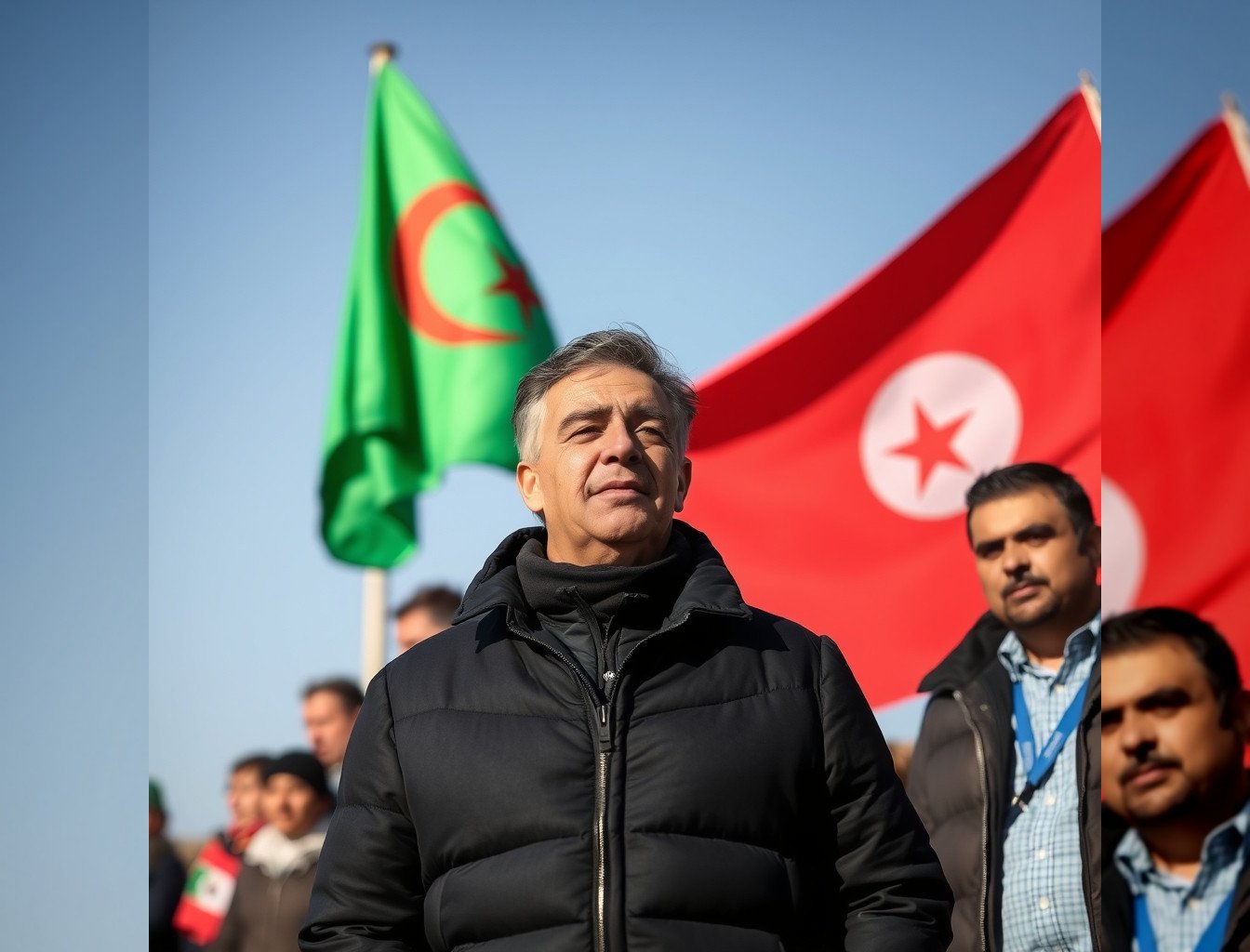
Algeria’s upcoming municipal and provincial council elections on 28 November could reshape local business landscapes—but only if entrepreneurs prepare now. With the Independent National Electoral Authority (ANIE) coordinating closely with the government and civil society, the stakes are high for startups, SMEs, and diaspora investors eyeing opportunities in infrastructure, energy, and digital services.
The elections mark the first major test of Algeria’s political stability since President Abdelmadjid Tebboune’s 2024 reforms, which loosened restrictions on foreign investment and eased bureaucratic hurdles for entrepreneurs. Yet, with voter turnout expected to hover around 40%—similar to past local polls—the real question is whether these elections will unlock new contracts, funding, or regulatory clarity for private-sector players.
ANIE’s push for transparency signals a rare opportunity
President Saad Arous of the ANIE met this week with Minister of Communication Mohamed Bouslimani to finalize logistics for the vote, according to Algérie Presse Service (APS). The meetings focused on media access, campaign financing rules, and digital voter registration—all critical for businesses relying on local partnerships.
For entrepreneurs, this is a chance to monitor how closely the government enforces transparency in public procurement. In 2025, Algeria’s public spending on municipal projects surged by 18% to $3.2 billion, with Batna, Oran, and Constantine leading in infrastructure tenders. Startups in construction, waste management, and renewable energy should track ANIE’s announcements on bid deadlines, as delays in past elections have stranded contractors for months.
Local politics will decide who gets contracts—and who gets left out
Municipal councils control 40% of Algeria’s public investment, from road repairs to digitalization projects. In Batna, for example, the upcoming vote could determine whether the province’s $150 million forestry rehabilitation plan (launched after recent fires) opens to private-sector bids. The arrest of an arson suspect in the Condorcet forest this week underscores the urgency: entrepreneurs in agroforestry or eco-tourism must act fast to secure pre-qualification before November.
The elections also test Algeria’s 2023 decentralization law, which shifted some economic powers from Algiers to regional councils. Entrepreneurs in sectors like agriculture or logistics should watch for shifts in local tax incentives—some provinces, like Béjaïa, have already cut red tape for SMEs, while others remain stuck in bureaucracy.
Diaspora investors face a mixed signal
Algerian expatriates, who remitted $8.7 billion in 2025 (per World Bank data), are eyeing real estate and startups as safe bets. But the elections could complicate things. If turnout is low, it may signal voter apathy—or worse, a lack of trust in institutions that could delay reforms. Conversely, high participation could embolden the government to fast-track business-friendly policies, like the 2026 foreign investment law currently in draft.
For diaspora-founded ventures, the key is leveraging local networks. In France, where 1.5 million Algerians live, business chambers like CCI Paris Île-de-France are already advising members to register as “economic observers” with ANIE. This status grants access to election-related tenders, such as the $500 million smart-city contracts Algiers plans to award post-vote.
Three risks entrepreneurs can’t ignore
1. Delayed decisions: Past elections have seen contract awards frozen for weeks while new councils take office. Entrepreneurs in energy or tech should have backup suppliers lined up.
2. Regional disparities: Provinces like Tamanrasset may prioritize security over business, while Annaba could push for tourism investments. Tailor pitches accordingly.
3. Media crackdowns: With election security tight, independent reporting may face restrictions. Entrepreneurs should document all interactions with officials to avoid disputes.
The bottom line: Elections as a business litmus test
Algeria’s 28 November vote isn’t just about politics—it’s a referendum on whether the country’s economic opening will stick. For entrepreneurs, the next six weeks are critical: monitor ANIE’s announcements, build relationships with provincial officials, and prepare for either a surge in opportunities or more delays.
Key takeaway for entrepreneurs
The elections will determine which regions get funding—and which get left behind. Entrepreneurs in infrastructure, green energy, and digital services should pre-qualify for tenders now, while diaspora investors should use local chambers to navigate election-related red tape. The winners will be those who act before November, not after.
💡 Starting a business in Algeria? GlobalStart guides you step by step: procedures, real costs, company forms (SARL, EURL, SPA) and CNRC registration.