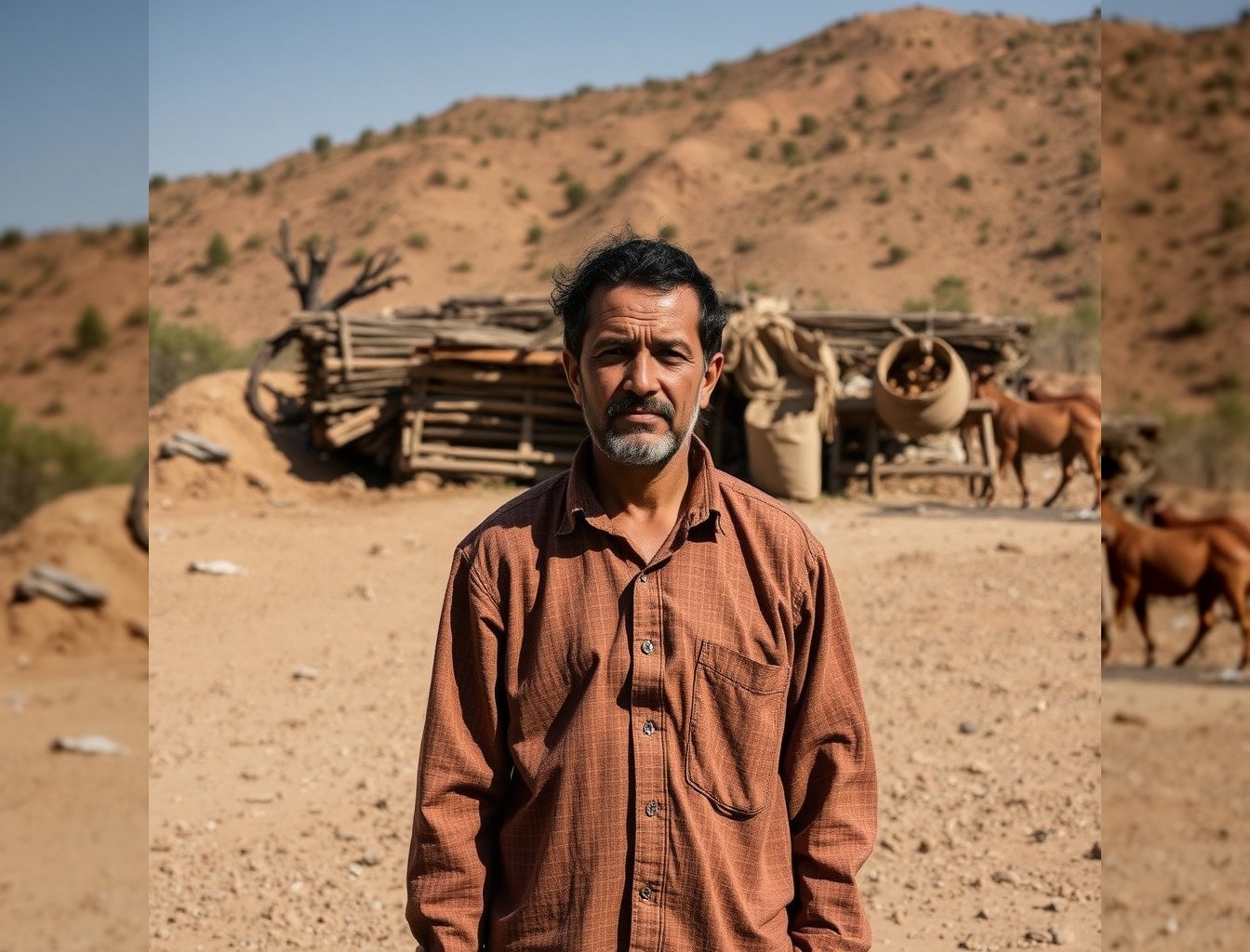
TIZI OUZOU — The first checks for wildfire victims in Algeria’s Kabyle heartland are finally reaching bank accounts, but for entrepreneurs and displaced families, the delay has already cost millions in lost livelihoods. While the government’s compensation process kicks off this week, small business owners in Tizi Ouzou and Boumerdès provinces are racing against time to rebuild—before inflation and stalled reconstruction eat deeper into their margins.
Who Gets Paid First? The Politics of Fire Relief
The snarls stem from overlapping agencies. The Ministry of Interior handles disaster declarations, while the National Agency for Solidarity and Social Development (ANDASS) distributes funds—but neither has clear authority over reconstruction permits. Entrepreneurs like Karim B., a 42-year-old olive oil producer in Aït Hichem, say the delays force them to choose between buying new irrigation pumps at 2026 prices or waiting months for subsidies that may never cover full losses.
The Economy’s Hidden Cost: When Smoke Chokes Small Business
Prices for replacement equipment have surged 15% since July, thanks to a shortage of imported steel and solar panels caused by delayed customs clearances. Meanwhile, the Central Bank of Algeria (BA) has kept interest rates at 4.5%—too low to spur private lending for fire-ravaged businesses. “We’re being squeezed from all sides,” says Fatima M., a honey producer in Tigzirt, whose 500 beehives were incinerated. “The bank won’t give me a loan without collateral, and the government’s checks won’t arrive until next month.”
The Diaspora’s Dilemma: Should They Invest Now or Wait?
Take Mohamed T., a Paris-based real estate developer who owns a 30-hectare olive grove in Azazga. He was planning to expand his cold-press oil mill this year, but the fires forced him to pause a €500,000 renovation. “The insurance payouts are slow, and the permits for rebuilding are even slower,” he says. “I’m not sure if I should inject more capital into a zone where the state’s response is still chaotic.”
The uncertainty extends to cryptocurrency and fintech startups like BeeToken, which helps Algerian farmers sell produce directly to European buyers. Co-founder Rachid K. notes that fire-affected producers are now 30% less likely to use digital platforms—they’re too busy scrambling for cash. “Trust in institutions is at an all-time low,” he says. “If the compensation process drags on, we’ll see a brain drain of young entrepreneurs who’d rather invest elsewhere.”
The Reconstruction Gap: Where Private Money Steps In
Others are bypassing the state entirely. SONATRACH’s subsidiary, Sonelgaz, has offered temporary electricity subsidies to fire-ravaged households, but only after local business owners lobbied directly with the company’s Tizi Ouzou branch. Meanwhile, private solar firms like Nexans Algeria are seeing a 40% spike in inquiries for off-grid power systems—proof that when the state fails, entrepreneurs innovate.
The Long-Term Bet: Can Algeria Rebuild Faster Than the Fires Spread?
Yet without clearer land-use laws and faster permit approvals, the risk remains that speculators will snap up fire-damaged plots before original owners can rebuild. In 2025, land grabs in post-fire zones led to 150 disputes in Kabylia alone, according to local notaries.
Key Takeaway for Entrepreneurs
💡 Starting a business in Algeria? GlobalStart guides you step by step: procedures, real costs, company forms (SARL, EURL, SPA) and CNRC registration.