A Nation on Fire: How Jijel’s Disaster Tests Algeria’s Resilience
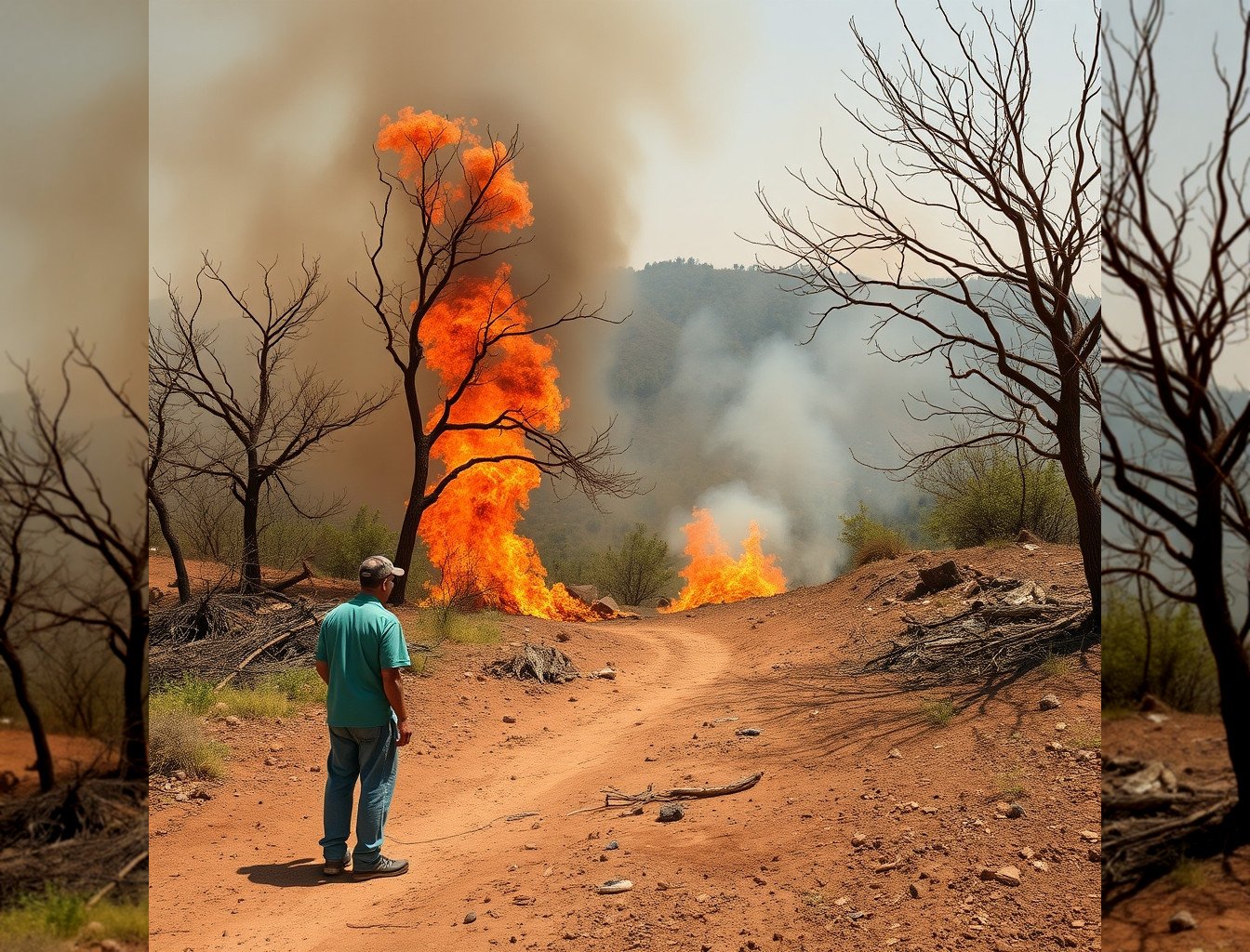
The wildfires that ravaged Jijel province this week left at least 15 dead, hundreds injured, and thousands displaced, according to Algeria’s Prime Minister Aïmene Sifi Ghrieb. His rapid response—inspecting hospitals, meeting grieving families, and deploying firefighting aircraft—highlighted both the government’s crisis management and the economic vulnerabilities lurking beneath Algeria’s surface.
For entrepreneurs, the disaster is a wake-up call. While the state mobilized resources, the fires exposed systemic weaknesses: outdated infrastructure, delayed disaster preparedness, and a reliance on foreign aid for critical operations. Yet, the crisis also reveals untapped markets for local innovators—from eco-friendly construction to digital emergency response platforms.
The Human Cost—and the Economic Toll
The fires destroyed an estimated 1,200 hectares of farmland, including olive groves and citrus plantations vital to Algeria’s agricultural sector, which contributes $1.8 billion annually to exports, per the Ministry of Agriculture. Smallholders—often family-run operations—bear the brunt of these losses, with no immediate state compensation in sight.
Prime Minister Ghrieb’s visits to hospitals and funeral ceremonies underscored the human tragedy, but the economic fallout is just beginning. Jijel’s economy depends heavily on tourism and agriculture, both now under threat. The region’s hotel occupancy rates typically peak in summer, but wildfire scars may deter visitors for years. Meanwhile, rebuilding homes and infrastructure will require billions in public and private investment—creating opportunities for contractors, insurers, and even crowdfunding platforms tailored to disaster relief.
Where the State Falls Short—And Entrepreneurs Can Step In
Algeria’s disaster response has long relied on imported firefighting equipment and foreign expertise. This week’s aerial operations, for instance, depended on leased Russian helicopters, costing $50,000 per day in operational fees, according to industry sources. Local startups could fill this gap with drone-based firefighting tech, a niche already explored by Tunisian and Moroccan firms.
Another glaring weakness: early warning systems. Algeria’s National Agency for Civil Protection (ANPC) lacks real-time fire detection in rural areas, where most blazes start. Entrepreneurs with IoT sensors or AI monitoring tools could partner with municipalities to create affordable, scalable solutions. In neighboring Morocco, startups like “FireWatch” use satellite imaging to predict wildfires—Algeria’s diaspora tech community could replicate this model.
The Diaspora’s Untapped Role in Recovery
Algerian expats, particularly in France, Canada, and the Gulf, have historically remitted funds for family support. But this crisis demands more than cash—it needs skills and innovation. Engineers, architects, and disaster relief specialists in the diaspora could collaborate with local NGOs to design fire-resistant housing or community-based resilience programs.
Remittances to Algeria hit $10 billion in 2025, yet only a fraction flows into high-impact sectors like sustainable agriculture or renewable energy. Diaspora-led venture capital funds focused on climate-adaptive businesses could redirect these funds into drought-resistant crops, solar-powered irrigation, or eco-tourism projects—all critical to rebuilding Jijel’s economy.
A Test for Algeria’s "New Narrative"
Speaker of Parliament Khalida Boufedeche recently called for Algeria to shift from a “defensive” to an “initiative-driven” national narrative. The wildfire response offers a case study: while the government reacted swiftly to the crisis, long-term solutions require private-sector innovation and foreign investment.
Entrepreneurs who can demonstrate scalable, locally led solutions—whether in disaster tech, green reconstruction, or agribusiness—will find fertile ground. The state’s focus on stabilization over reform means private players must fill the gaps, but with one caveat: regulatory hurdles remain. Securing permits for new businesses in high-risk zones like Jijel can take months, deterring smaller operators.
Key Takeaway for Entrepreneurs
Algeria’s wildfire crisis is a double-edged sword: it exposes vulnerabilities but also creates demand for resilient, tech-driven businesses. Entrepreneurs with expertise in climate adaptation, emergency services, or diaspora-led investment should target Jijel and similar high-risk regions—where state support is slow but market needs are urgent. The diaspora’s financial and technical resources, if channeled strategically, could accelerate recovery. Success here won’t just rebuild homes—it could redefine Algeria’s economic future.
Sources
💡 Starting a business in Algeria? GlobalStart guides you step by step: procedures, real costs, company forms (SARL, EURL, SPA) and CNRC registration.