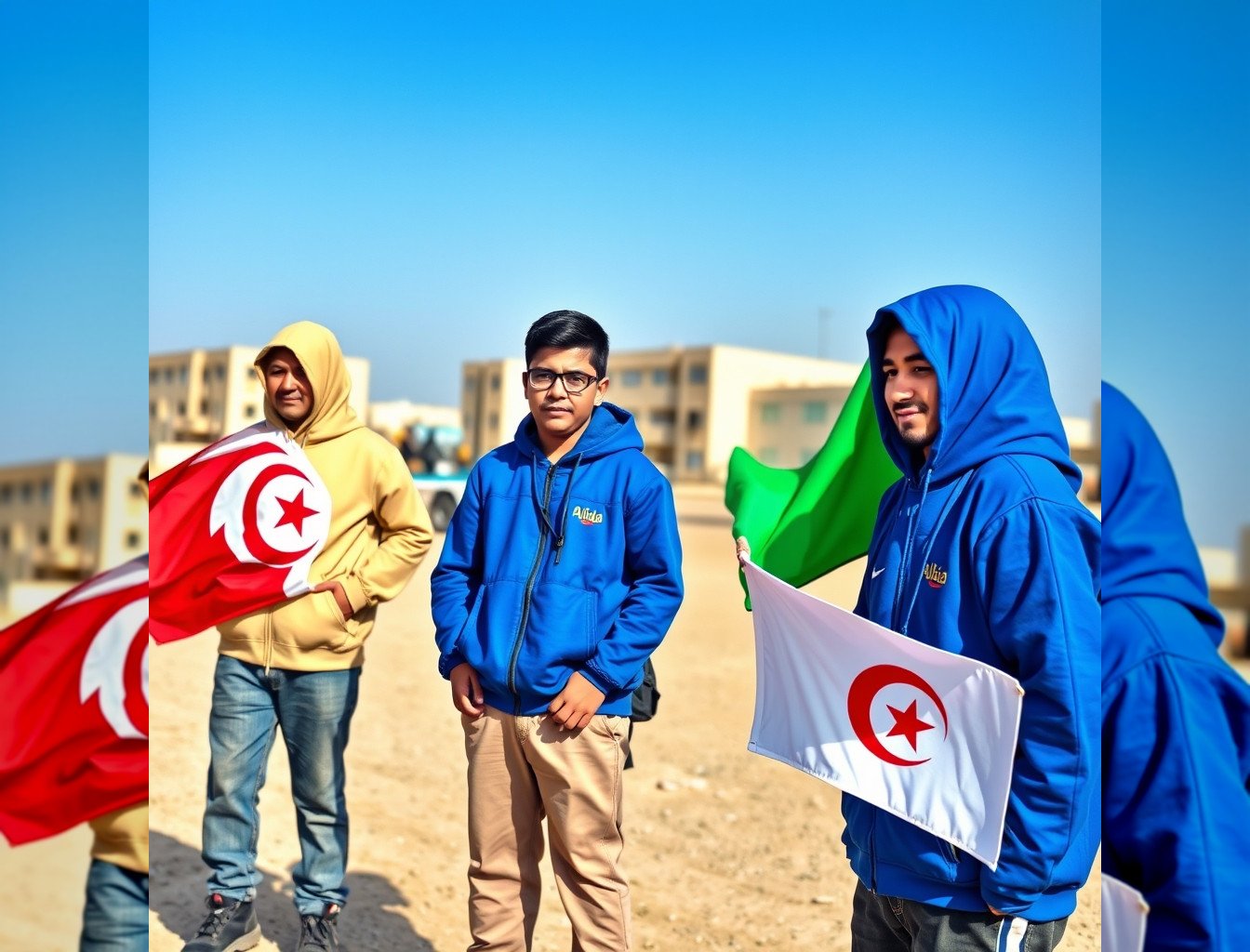
Labor Market: Degrees No Longer Guarantee Jobs
This policy reflects a $12.5 billion annual expenditure on public-sector wages, with 40% of the budget absorbed by salaries. Private-sector absorption remains weak: only 3% of graduates find jobs in startups or SMEs. The diaspora sends back $1.8 billion yearly, but remittances are declining by 5% annually as migration slows.
Red thread: A shrinking labor market pushes skilled Algerians toward informal work or emigration, reducing domestic consumption and investment.
Diplomacy: Rivalries Over Resources and Identity
Italy’s interest in Algeria’s $30 billion gas exports (2024) contrasts with Morocco’s $10 billion renewable energy push. For entrepreneurs, this means two distinct markets: Algeria’s state-controlled energy sector (Sonatrach) vs. Morocco’s private-sector-friendly renewable boom.
Red thread: Diplomatic tensions delay foreign investment in both countries, but Algeria’s hydrocarbon dominance remains a stable anchor for large-scale projects.
Defense Spending: A $21.6 Billion Shield for Stability
This spending locks Algeria into long-term military contracts, reducing flexibility for civilian budget reallocation. For entrepreneurs, the defense-linked supply chain (electronics, logistics) offers guaranteed state contracts, but bureaucracy slows private participation.
Red thread: Military modernization absorbs capital that could fund youth employment or tech infrastructure.
Tech Ecosystem: Startups vs. State Control
Yet 90% of startups fail within 3 years due to banking restrictions (only 15% of SMEs have access to loans). The new digital platforms (e.g., Tawakkalna for student support) remain state-led, limiting private innovation.
Red thread: Foreign capital flows to tech, but local entrepreneurs face funding gaps and regulatory hurdles.
Historical Tensions: How the Past Shapes Business Today
For the diaspora, $5 billion in annual investments in real estate and services are at risk if geopolitical tensions escalate. Meanwhile, Pope Francis’s visit (focused on St. Augustine’s legacy) signals soft-power opportunities in religious tourism, a $100 million niche market.
Red thread: Historical grievances affect trade, education, and remittances—key levers for entrepreneurs.
Urban Dynamics: Algiers as a Microcosm of Constraints
Pope Francis’s visit highlights Algiers’ role as a regional hub, but infrastructure bottlenecks (ports, airports) delay $20 billion in trade flows. For entrepreneurs, commercial real estate remains high-risk without stable foreign capital.
Red thread: Urban development is stifled by red tape, limiting retail, logistics, and hospitality growth.
Weekly Balance: What Moves the Needle for Business
Key takeaway for entrepreneurs
Algeria’s youth bulge and defense focus absorb capital that could fuel private-sector growth. Startups and SMEs must navigate state-controlled sectors (energy, defense) while leveraging diaspora networks and foreign tech partnerships. Funding gaps remain the biggest hurdle—banks approve only 15% of SME loans, forcing entrepreneurs to seek alternative financing or expatriate markets.
Sources
- atalayar.com
- AL24 News
- SOFX
- echoroukonline.com
- TechAfrica News
- al24news.dz
💡 Starting a business in Algeria? GlobalStart guides you step by step: procedures, real costs, company forms (SARL, EURL, SPA) and CNRC registration.