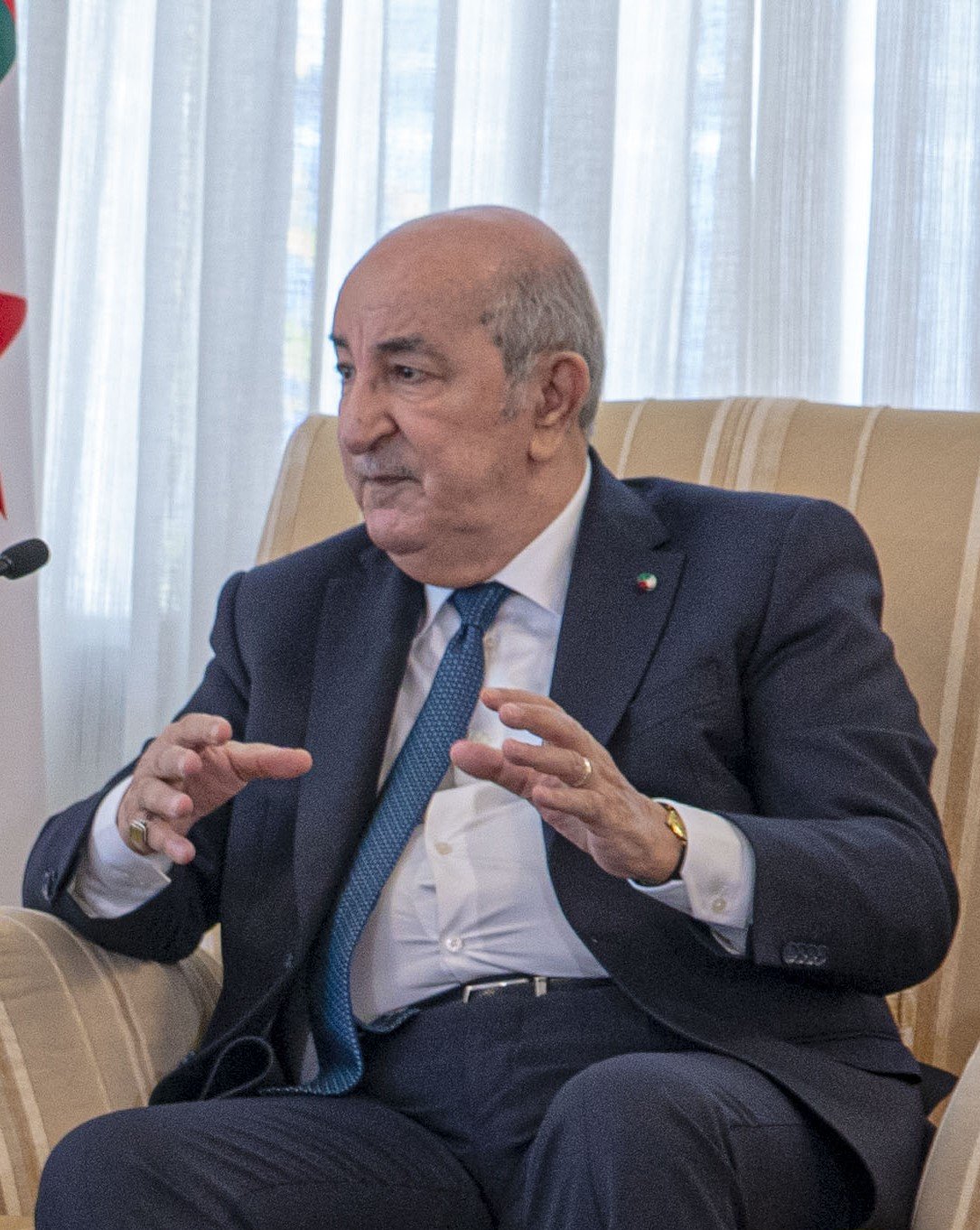
Algeria’s President Abdelmadjid Tebboune ordered the release of dozens of political prisoners this week, a move tied to the fifth anniversary of the Hirak protests that began in February 2019. According to APS, the state news agency, the decision affects detainees linked to the mass demonstrations that forced longtime leader Abdelaziz Bouteflika to resign. The pardons follow weeks of renewed street mobilizations in Algiers, Oran, and Constantine, where protesters demand deeper political reforms and economic opportunities.
The Hirak movement initially united students, workers, and entrepreneurs frustrated by unemployment, corruption, and a lack of business freedoms. In 2020, the Washington Institute noted how the protests exposed structural weaknesses in Algeria’s economy, where youth unemployment hovered near 30 percent. For business founders, the unrest highlighted the urgency of diversifying beyond hydrocarbons, which account for over 90 percent of exports, per Sonatrach’s own reports.
Tebboune’s government has since pushed limited economic liberalization, including a 2022 law easing restrictions on foreign investment in non-energy sectors. Yet entrepreneurs cite persistent hurdles: bureaucratic delays in business registration, restricted access to credit, and a dinar that remains non-convertible. The Central Bank of Algeria’s recent data shows private sector contribution to GDP stagnant at around 10 percent, far below regional peers like Morocco or Tunisia.
The prisoner release may aim to calm tensions but does little to address core economic grievances. In Algiers, startup incubators like Startup Your Life report increased applications from young Algerians, yet many still seek visas to relocate due to local constraints. The diaspora, particularly in France and Canada, continues to fund ventures back home, with remittances reaching $2.1 billion in 2023, according to World Bank estimates. These flows often bypass formal channels, signaling distrust in local financial systems.
For the business community, the Hirak’s legacy is a reminder that political stability alone won’t unlock growth. Algeria’s 2024 budget allocates $1.2 billion to support SMEs, but entrepreneurs demand clearer tax incentives and faster licensing. The Algiers Chamber of Commerce recently noted that 60 percent of new businesses fail within two years, often due to regulatory ambiguity.
Key takeaway for entrepreneurs
Algeria’s partial amnesty for Hirak prisoners eases social pressure but leaves economic hurdles intact. Business founders still face slow reforms, limited credit access, and a dominant state sector. Diaspora investments remain vital yet informal, underscoring the need for banking and legal improvements.
Sources
- The Washington Institute
- openDemocracy
💡 Starting a business in Algeria? GlobalStart guides you step by step: procedures, real costs, company forms (SARL, EURL, SPA) and CNRC registration.