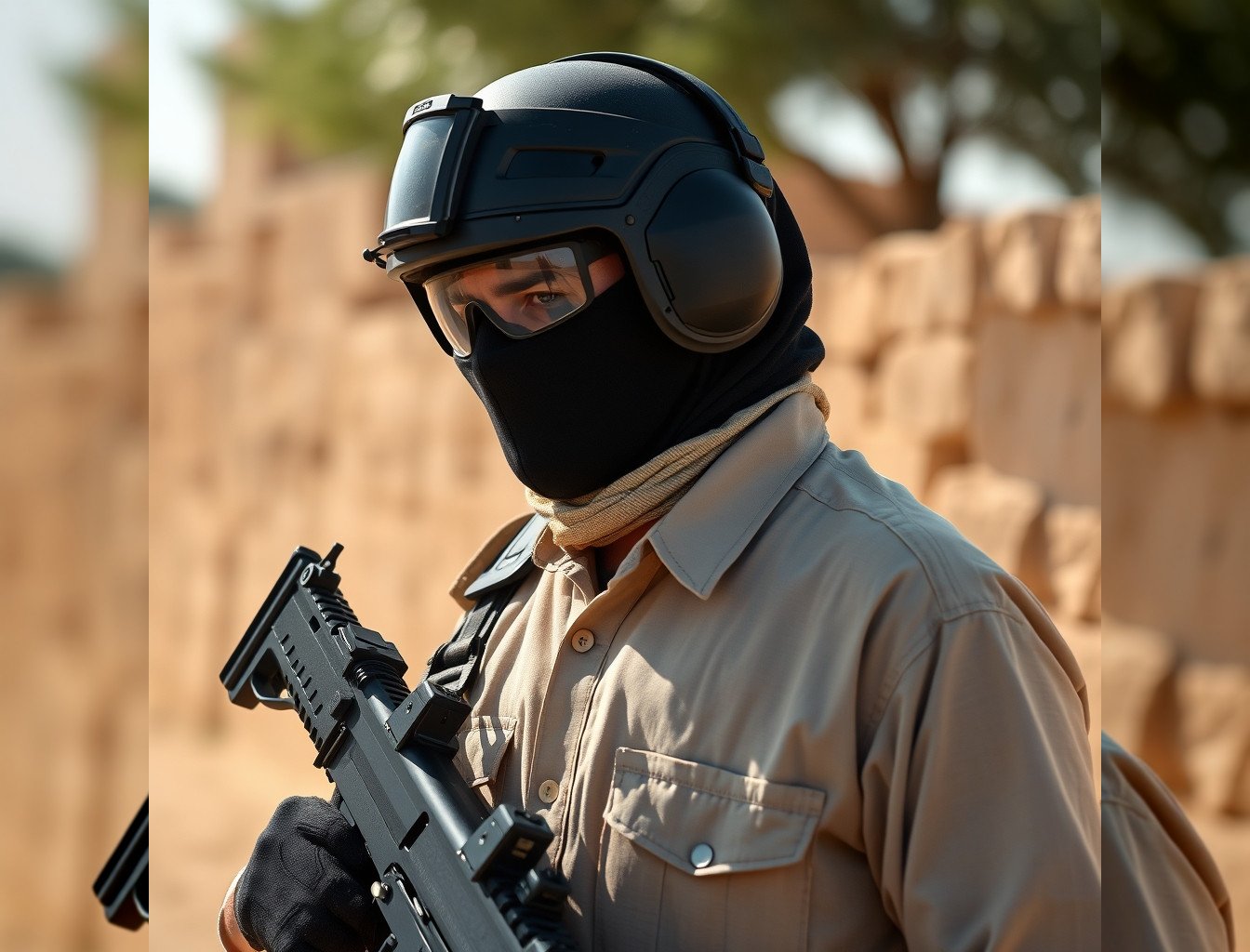
Algeria has been accused of harboring terrorist organizations that have forged alliances with Iran, according to Sahel Intelligence. The report, dated November 5 2025, claims that armed groups operating in the region have found refuge within Algerian territory while coordinating with Tehran-backed networks.
The allegations point to cooperation between Algerian-based militants and factions tied to Iran’s regional influence. Sahel Intelligence identifies these groups as operating under the banner of long-standing Islamist movements active in North Africa. The intelligence outlet does not specify which particular factions are involved but says their presence inside Algeria has grown recently.
According to Sahel Intelligence, these militants have used Algerian border areas to regroup and launch operations into neighboring countries. The report suggests that the groups have exploited porous borders and weak state control in certain regions to establish safe havens. Security analysts cited by Sahel Intelligence warn that such sanctuaries could destabilize cross-border trade routes that are vital for regional commerce.
Economic impact on cross-border trade
Entrepreneurs active in Algerian-Mali and Algerian-Niger trade corridors are watching the developments closely. According to Sahel Intelligence, armed checkpoints and extortion by militant groups have already forced trucking companies to reroute shipments through longer, costlier paths. One logistics manager quoted by Sahel Intelligence says freight costs between Algiers and Gao have risen by 40% since militant activity intensified in late 2024. Traders report that convoys now require armed escorts, adding $1,200 per trip in security fees.
For Algerian export-oriented startups, the situation has translated into delayed shipments and higher insurance premiums. A textile exporter based in Tlemcen told Sahel Intelligence that a container bound for Bamako now faces a 30% premium on marine insurance due to perceived risk along the southern route. The same source says Algerian fintech firms financing cross-border transactions have started imposing stricter compliance checks, lengthening payment clearance times.
Diaspora entrepreneurs reconsider regional ventures
Members of the Algerian diaspora running businesses in West Africa are reassessing their exposure to Algerian-linked supply chains. A software entrepreneur in Paris who sources IT components from Algiers for resale in Dakar says recent security alerts have prompted him to explore sourcing from Morocco instead. According to Sahel Intelligence, similar shifts are being observed among Algerian-owned retail networks in France that import Algerian-manufactured goods for North African communities.
Investment advisers specializing in Maghreb-West Africa trade note that Algerian banks have started tightening letters of credit for transactions involving southern neighbors. A Casablanca-based trade finance consultant told Sahel Intelligence that some Algerian lenders now require additional collateral for any financing tied to Malian or Nigerien counterparties, effectively pricing out smaller exporters.
Implications for local entrepreneurs
Domestic Algerian entrepreneurs face a dual risk: higher operational costs due to intensified security measures and reduced access to key regional markets. Sahel Intelligence reports that the government has deployed additional troops to border zones, which has disrupted normal business traffic during periods of heightened alert. Truckers report that unannounced roadblocks have become more frequent since mid-2025, forcing logistics firms to pre-position inventory near hubs to avoid delays.
Small manufacturers in industrial zones near the borders with Mali and Niger are particularly affected. A furniture maker in Béchar told Sahel Intelligence that raw material deliveries from sub-Saharan Africa have fallen by 25% since the start of 2025 because suppliers cite “logistical uncertainty.” The same source says Algerian industrial parks near the southern border have seen occupancy rates decline as investors postpone expansion plans.
Regional business outlook
Sahel Intelligence suggests the situation could worsen if militant groups further consolidate their presence in Algerian border areas. The report warns that continued instability may prompt international insurers to classify southern Algeria as a high-risk zone, pushing up costs for all businesses operating in the region.
Key takeaway for entrepreneurs
Algerian exporters to West Africa face rising transport and insurance costs due to militant activity near southern borders. Diaspora-owned businesses are shifting sourcing and distribution networks away from Algerian-linked supply chains. Small manufacturers in southern industrial zones report declining raw material deliveries and delayed expansion plans.
Sources
- Sahel Intelligence
💡 Starting a business in Algeria? GlobalStart guides you step by step: procedures, real costs, company forms (SARL, EURL, SPA) and CNRC registration.