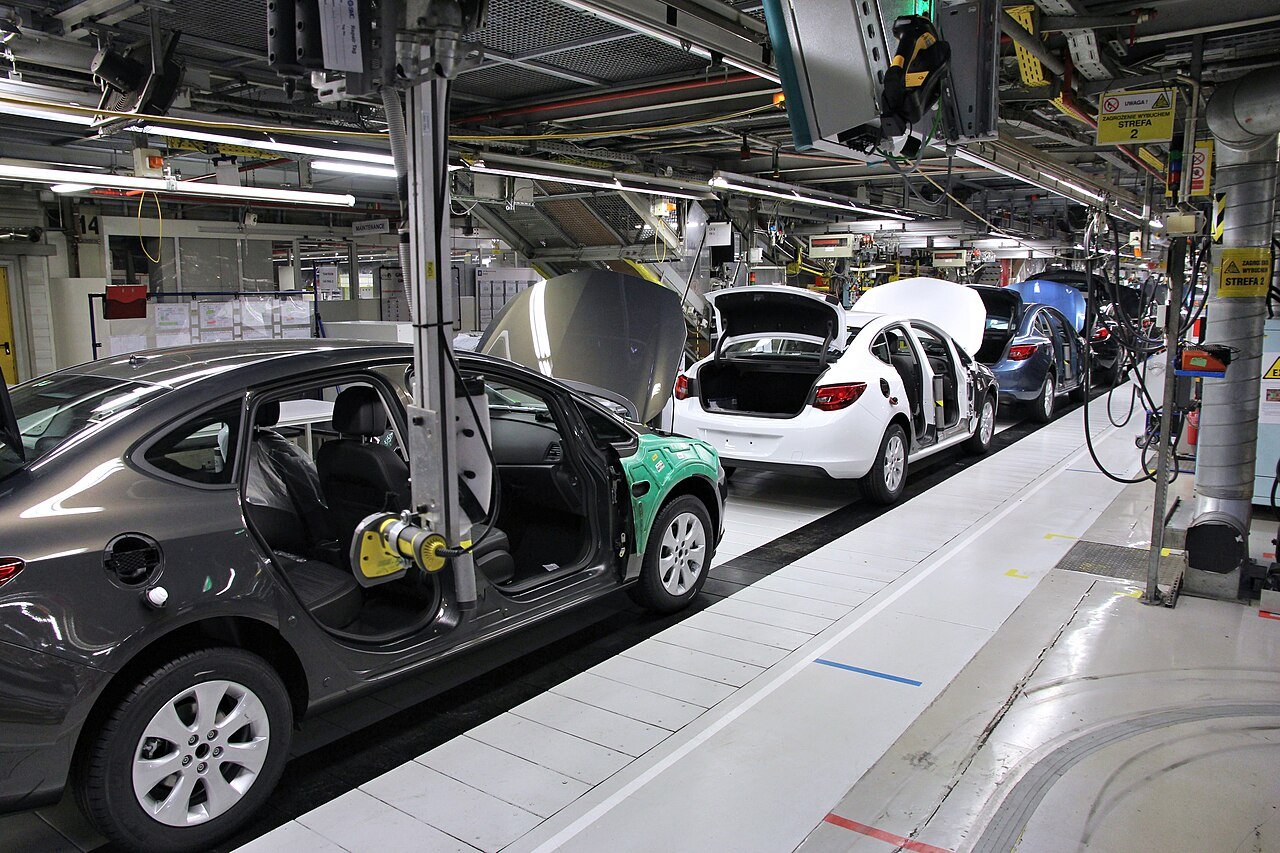
Stellantis has doubled down on its Algerian ambitions recently, holding its second International Suppliers Convention in Oran this week and signing four cooperation agreements with local parts manufacturers. The deals, announced during the event, mark a concrete step toward building a deeper domestic supply base for the automaker’s Algerian operations. For entrepreneurs and the diaspora eyeing opportunities in the country’s industrial sector, the developments signal new openings—but also unresolved hurdles.
The agreements signed in Oran involve four Algerian component suppliers, according to a statement from Stellantis El Djazair. While the companies’ names were not disclosed, the selection reflects a push to localize more automotive parts production in line with Algeria’s industrialization goals. Stellantis, which operates a major assembly plant in Relizane through its joint venture with Algerian state firm SNVI, has been under pressure to increase the local content of its vehicles to meet government requirements and reduce import costs.
Industry observers note that Algeria’s auto sector remains constrained by limited supplier capacity and regulatory uncertainty. A 2020 overhaul of the car industry, led by President Tebboune, was aimed at cleaning up past corruption and reviving domestic manufacturing. Yet progress has lagged, with some officials alleging that earlier deals were marred by favoritism and inflated costs. The current administration has signaled a more transparent approach, but entrepreneurs say bureaucratic delays and inconsistent enforcement still slow down projects.
Stellantis’ supplier convention in Oran brought together over 200 international and local firms, according to the company’s media office. The event underscored Algeria’s strategic position as a North African manufacturing hub, especially for European automakers seeking alternatives to Asian supply chains. German firms, including automotive suppliers, have also been in talks with Algerian operators in recent months, according to Algerian daily Echourouk El Youmi.
For local entrepreneurs, the Stellantis push could translate into subcontracting opportunities in metal stamping, wiring harnesses, plastics, and electronics—areas where Algeria still relies heavily on imports. However, access to financing remains a barrier. Bank loans for industrial projects are scarce and often carry high interest rates, while foreign investors face restrictions on majority ownership in many sectors. The diaspora, which has deep ties to Algerian industry, could play a role by partnering with local firms or setting up specialized suppliers, but repatriating capital and navigating regulatory hurdles remain challenges.
The Relizane plant, which assembles vehicles like the Peugeot 208 and Opel Corsa, currently sources about 30% of its parts locally, according to industry estimates. Stellantis aims to raise this to 50% within five years, a target that would require significant investment in tooling and workforce training. Local suppliers willing to meet international quality standards could secure long-term contracts, while those without certification risk being sidelined.
Analysts warn that Algeria’s auto sector still suffers from structural weaknesses. A 2017 report by The Arab Weekly highlighted “serious snags” in domestic industry plans, citing weak infrastructure and a shortage of skilled labor. Recent moves by Algerian billionaire Abderrahmane Benhamadi’s Condor Group to collaborate with a German pipe manufacturer in Berlin suggest that local firms are looking abroad for technology and expertise, but such partnerships require time to yield results.
For entrepreneurs in Algeria, the Stellantis push offers a clear path: invest in automotive-grade manufacturing, seek certification from international bodies like IATF 16949, and align with Stellantis’ supply chain requirements. The diaspora can leverage its networks to identify gaps in the value chain—whether in logistics, training, or after-sales services—and partner with local players to fill them. Those who move quickly could gain first-mover advantage as Algeria’s auto ecosystem evolves.
Yet the risks are real. Regulatory instability, currency controls, and a lack of industrial zones with plug-and-play infrastructure remain obstacles. Entrepreneurs should also prepare for long sales cycles, as public tenders and state-linked contracts often take months to materialize.
Key takeaway for entrepreneurs: Stellantis’ supplier push in Algeria opens doors for local and diaspora-linked firms in automotive components, but success depends on meeting international standards, securing financing, and navigating regulatory delays. Building partnerships with certified suppliers and investing in training will be critical to securing long-term contracts.
Sources
- Billionaires.Africa
- The Economist
- Media Stellantis
- The Arab Weekly
- AL24 News
💡 Starting a business in Algeria? GlobalStart guides you step by step: procedures, real costs, company forms (SARL, EURL, SPA) and CNRC registration.