Public health and infrastructure: Vaccines and water risk
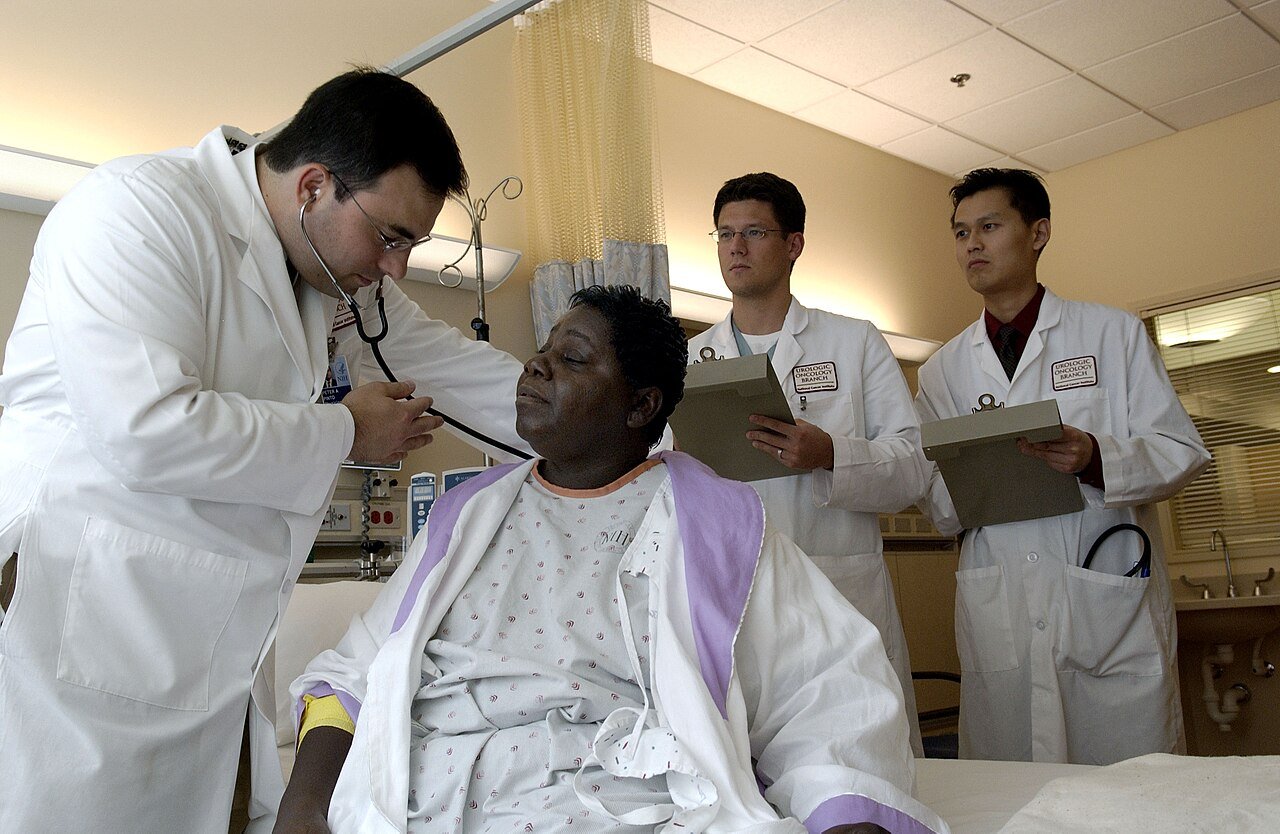
Algeria launched its nationwide Covid-19 vaccination campaign this week, distributing the first doses under the COVAX facility. The campaign targets priority groups including health workers and people over 65. Health authorities reported 450,000 doses received and distributed in the first 72 hours, with daily capacity of 80,000 shots. The rollout coincides with a 14% rise in new cases compared to the prior week, driven by the Delta variant. Booster doses are not yet authorised.
In parallel, researchers published findings on water quality in Oued Souf using an integrated weight water quality index. The study combined chemical testing with simulation techniques to assess contamination from potential toxic elements in groundwater. Samples from 42 wells revealed arsenic levels above WHO limits in 12 sites, prompting local authorities to issue warnings and short-term water restrictions in the region.
Natural disasters and relief measures
Civil Protection reported that 147 of 193 wildfires were extinguished by Thursday morning. The fires affected 12 wilayas, with the highest damage in Tizi Ouzou and Béjaïa. Over 8,200 hectares of forest were burned, including 2,300 hectares of cork oak. The Solidarity Ministry stated 2,400 families received psychosocial support and 1,100 households began receiving compensation payments this week. Compensation rates were set at 3 million Algerian dinars per affected household, with additional funds for livestock losses.
Corporate sector: Tyres, trade, and solar
Algeria’s first domestic tire manufacturer, based in Relizane, announced participation at CITEXPO 2024. The company, EURL Algerian Rubber Industries, holds a 500 million dinar loan from BADR Bank and plans to produce 1.2 million passenger car tires annually by Q4 2024. Initial capacity will be 600,000 units. The plant employs 180 workers and sources 35% of raw materials locally.
Ministry of Industry figures show Algerian exports to India reached $1.2 billion in H1 2024, up 28% year-on-year. Key categories include ammonia, iron ore, and pharmaceuticals. India remains Algeria’s third-largest export market after Italy and France.
In solar power, Algeria’s Renewable Energy Development Centre reported 217 MW of grid-connected solar capacity installed year-to-date, against a target of 800 MW in 2024. The Sonatrach-Skikda solar plant, 100 MW, entered testing phase this week. The plant uses 300,000 bifacial panels across 120 hectares.
Institutional changes: Judicial reform and constitutional amendments
Parliament passed a bill introducing technical amendments to the Constitution, including changes to Article 95 on judicial independence. The amendments were approved by 421 votes in favour, with no abstentions. The reforms take effect 30 days after publication in the Official Journal. Legal experts note that the amendments clarify the role of the Superior Council of the Judiciary but do not alter the President’s appointment powers.
Human Rights Watch reported 67 arrests under new provisions related to cybercrime and public assembly since the amendments were tabled. The organisation noted no public consultation process prior to the vote.
Cultural preservation and tourism
UNESCO reiterated its support for restoration work in Ghadames. The project targets 23 historic houses and three communal buildings in the old town. The first phase, costed at 7.5 million euros, is funded by Italy’s development agency and Algeria’s Ministry of Culture.
Tourism authorities reported a 14% increase in foreign visitors to Djanet in Q2 2024 compared to Q1. Visitor numbers reached 12,400, with 60% from France and 20% from Germany. Average length of stay rose to 7.2 days. The Djanet Tourist Office confirmed 18 new licensed guides were trained this month.
Political updates: Diplomacy and domestic shifts
Foreign Minister Ahmed Attaf met OIC Secretary-General-elect in Jeddah. The meeting covered Algeria’s readiness to support Palestinian national rights and joint counter-terrorism initiatives. Algeria currently chairs the Arab League’s Al-Quds Committee.
Uganda’s Minister of State for Regional Affairs, Anthony Ali Mubiru, met Algerian counterpart Noureddine Chaib in Algiers. The sides discussed agricultural cooperation and joint investments in agro-processing.
Labour market: Youth and women’s careers
The government approved a new job placement programme targeting 30,000 graduates in Q3 2024. Participants receive 30,000 dinars monthly stipend for six months plus mandatory training. The programme replaces the previous 20,000 participant quota.
A survey by the National Institute of Statistics shows 28% of Algerian women aged 20-34 work in digital professions, up from 22% in 2023. Freelance platforms report a 40% increase in Algerian women registering as remote workers in the last 12 months. Most roles are in graphic design, translation, and software testing.
Industrial innovation and regional expansion
Algeria’s Cashew Processing Company (APC) inaugurated a 50,000-tonne factory in Dar es Salaam, Tanzania. The facility, majority-owned by Algerian investors, sources raw nuts from local farms and plans to export processed kernels to Europe and the Middle East. Construction cost was 18 million euros. Tanzanian authorities granted a 15-year tax holiday.
Political participation and representation
Algeria’s electoral commission released turnout figures for the June legislative elections: 20.79% of registered voters participated. The figure is the lowest since 1990. Women secured 39 seats in the 407-seat assembly, down from 46 in the prior term. One woman, pilot Amina Boumendjel, ran as an independent candidate in Algiers.
Key takeaway for entrepreneurs
Sources
- APS English
- Middle East Institute
- CaixaBank Research
- Ad-hoc-news.de
- ASHARQ AL-AWSAT English
- Atalayar
💡 Starting a business in Algeria? GlobalStart guides you step by step: procedures, real costs, company forms (SARL, EURL, SPA) and CNRC registration.