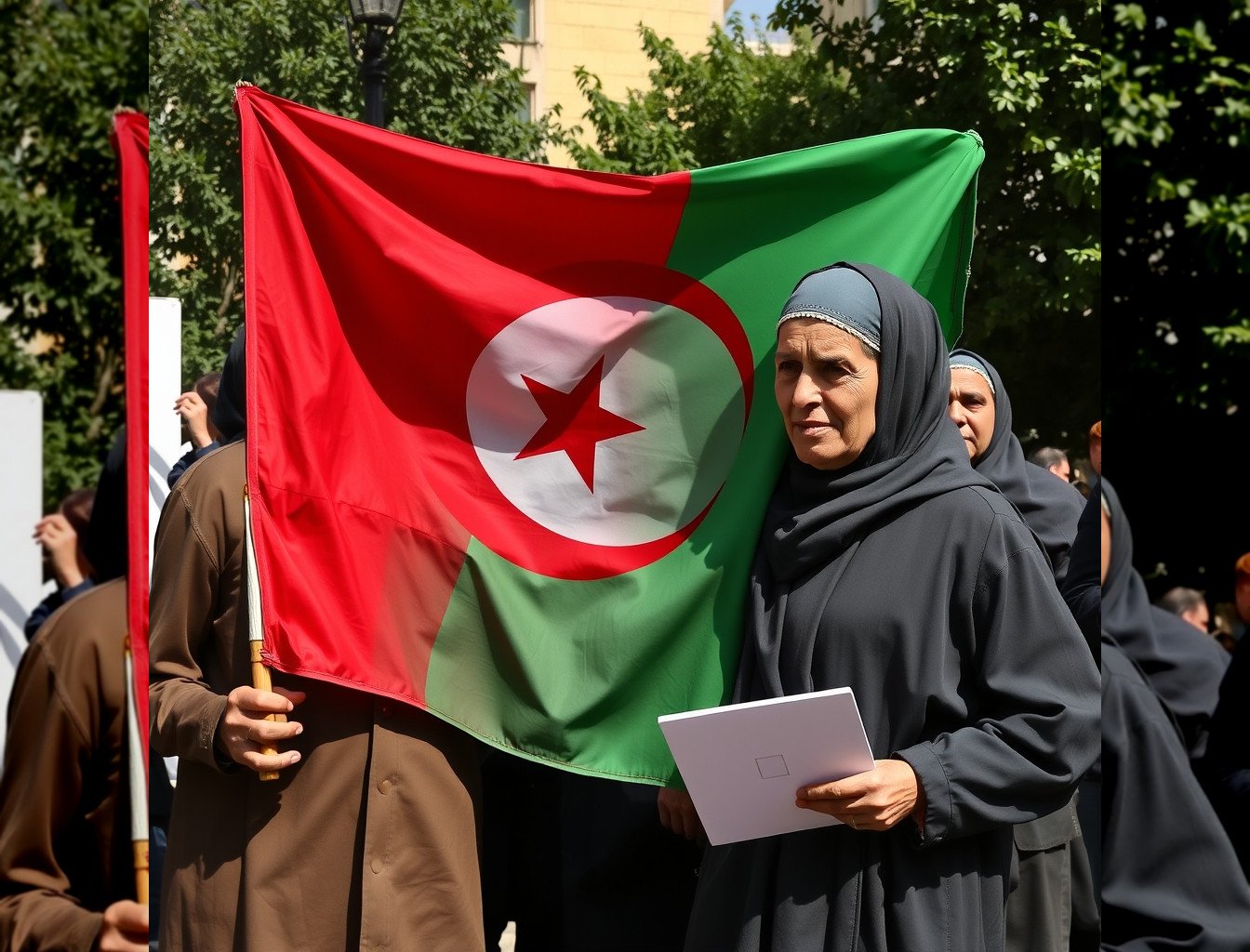
Algeria has formally requested that France issue a public apology and pay reparations for its colonial rule, which lasted more than 130 years until Algeria’s independence in 1962. The demand was articulated by Algerian authorities during a recent session focused on the country’s collective memory, according to Le Monde.fr.
The call centers on the legacy of colonialism, including the violent suppression of independence fighters and the enduring social and economic scars left on Algeria’s economy and population. By framing the issue within the oral histories of those who fought in the liberation struggle, the Algerian government is linking justice for historical wrongs to broader national priorities, including economic sovereignty and self-determination.
For entrepreneurs and business founders in Algeria, the timing and framing of this demand carry both symbolic and practical implications. While the apology and reparations request is rooted in history, its political and diplomatic ripple effects could influence investment sentiment, trade relations, and cross-border partnerships, particularly with European nations.
Algeria’s position reflects a growing emphasis on reclaiming national narrative and economic agency. Observers note that by foregrounding colonial reparations, Algerian authorities are reinforcing a discourse of historical accountability, which may shape future bilateral agreements and resource negotiations. France, historically Algeria’s largest trading partner in Europe, holds significant influence over sectors such as energy, construction, and aerospace.
Entrepreneurs in Algeria’s private sector—especially those in export-oriented industries—will be watching how France responds. Bilateral tensions could delay infrastructure projects, customs clearances, or joint ventures, particularly in border regions where cross-border trade remains active. Meanwhile, Algerian businesses relying on French supply chains or technical partnerships may face added regulatory or bureaucratic scrutiny.
For the Algerian diaspora, many of whom have family ties to the independence era, the official demand resonates deeply. It strengthens national cohesion and may encourage greater diaspora engagement in economic development through remittances, knowledge transfer, or investment in sectors prioritized by the state. Diaspora entrepreneurs could also find renewed motivation to contribute to post-colonial nation-building, particularly in education, technology, and renewable energy.
Historians and policymakers have long debated the reparations framework, with some arguing that financial compensation would free Algeria from lingering dependence on former colonial powers. A similar precedent exists in Germany’s reparations to Israel following World War II, a model Algeria may reference. However, unlike that case, Algeria’s claim centers on systemic exploitation—land seizures, forced labor, and the suppression of local industries—rather than targeted war crimes.
The reparations demand follows a 2022 agreement between the two countries to jointly commemorate colonial-era atrocities, but progress has stalled. Recent statements by Algerian officials suggest frustration over France’s reluctance to match symbolic gestures with substantive action. This impasse may prompt Algeria to explore alternative partners in Africa, Asia, and the Gulf, diversifying its economic alliances.
For Algerian entrepreneurs, diversification is already a growing trend. Over the past five years, non-hydrocarbon exports have risen by 15%, driven by chemicals, pharmaceuticals, and agri-food products. If tensions with France escalate, businesses could accelerate partnerships with Turkey, India, or Morocco, where trade barriers are lower and investment flows are rising. The shift would align with Algeria’s 2030 industrialization plan, which targets growth in manufacturing and digital sectors.
Key takeaway for entrepreneurs
Algerian founders should monitor diplomatic developments with France as they may affect trade licenses and partnership approvals. Diversifying supply chains and export markets toward Africa, the Gulf, and Asia could reduce exposure to European volatility. Diaspora investors may find increased opportunities in sectors linked to national reconstruction and technological modernization.
Sources
- Le Monde.fr
💡 Starting a business in Algeria? GlobalStart guides you step by step: procedures, real costs, company forms (SARL, EURL, SPA) and CNRC registration.