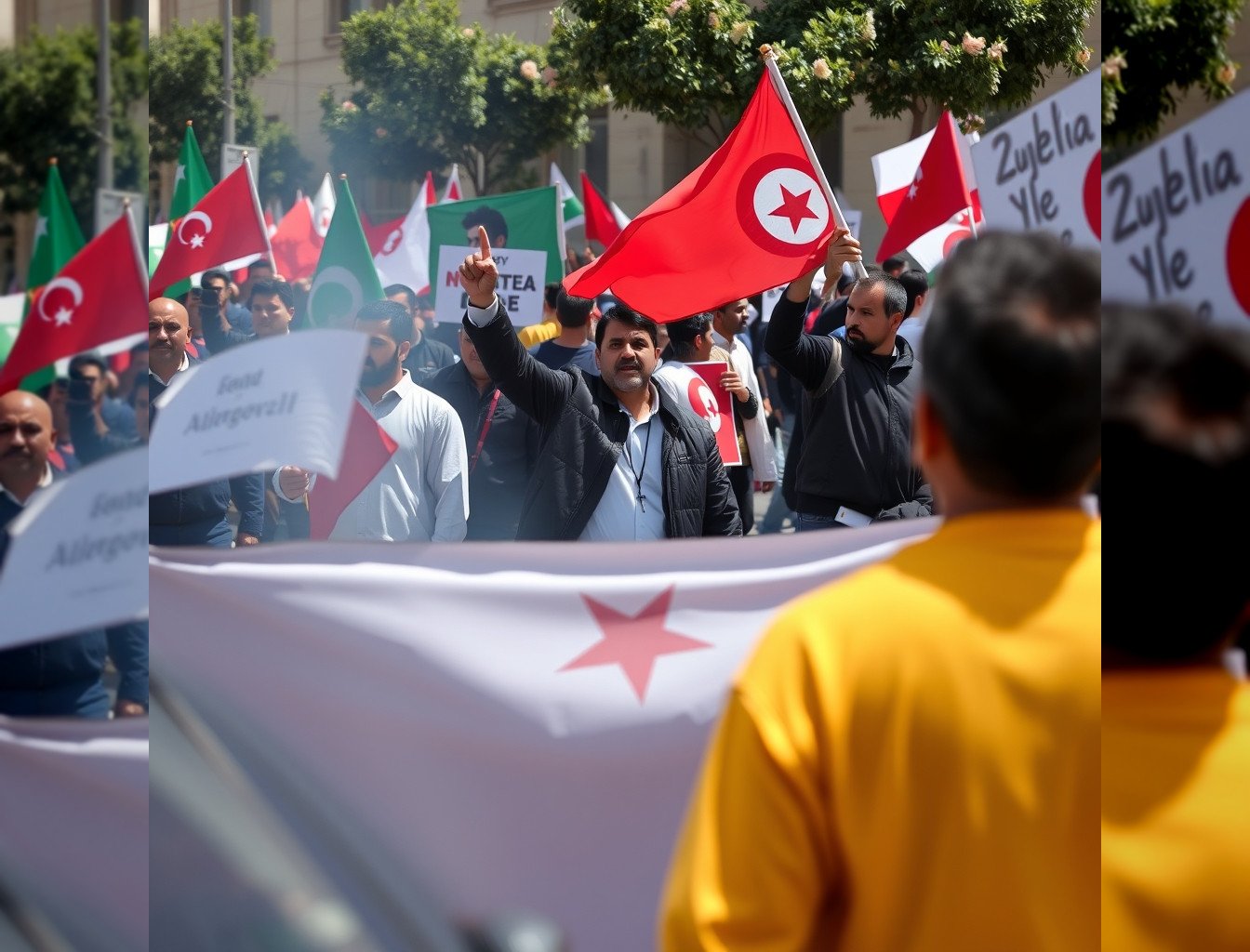
Algerians have spent the past year demonstrating in the streets of Algiers and other cities. Protests began recently against President Abdelaziz Bouteflika’s bid for a fifth term and grew into mass calls for an overhaul of the political system. According to Brookings, the movement forced Bouteflika to resign in April 2019 after 20 years in power. Interim president Abdelkader Bensalah took office and set presidential elections for December 2019, which opposition figures branded illegitimate.
The protests have not stopped. Demonstrators continue to reject the December vote as rigged and demand sweeping reforms. Institutions including the Algerian League for the Defense of Human Rights and independent unions have joined the weekly Friday marches. Business leaders have watched the turmoil closely, concerned about its effect on investment and stability.
Economic figures show why entrepreneurs should pay attention. Algeria’s 2019 growth slowed to 0.8 percent, down from 1.4 percent in 2018, according to Brookings. Non-hydrocarbon sectors, including construction and services, shrank by 0.5 percent, while the public sector still dominates more than half of GDP. Foreign direct investment fell 15 percent between 2018 and 2019, to $1.5 billion. Private entrepreneurs cite unclear licensing rules and state dominance in energy and banking as barriers.
The hydrocarbon sector, which supplies 90 percent of export earnings, faces its own strains. State oil company Sonatrach reported a 27 percent drop in net profit in 2019. Falling global oil prices and pipeline sabotage in southern fields have crimped revenue used to fund public wages and subsidies. Sonatrach’s investment budget for 2020 was cut 18 percent to $7.5 billion, signaling tight resources for infrastructure and energy projects.
Entrepreneurs in Algeria’s tech scene see opportunity amid the disruption. Start-ups focusing on fintech and e-commerce report a 25 percent rise in user numbers since 2019, driven by cash-strapped consumers seeking cheaper services. Yet founders say regulatory hurdles remain high. New rules on digital payments issued in 2018 still leave banks and fintechs in unclear territory over compliance roles.
The diaspora has responded with both financial and advocacy support. Remittances from Algerians abroad rose 7 percent in 2019 to $2.2 billion, partly funding small businesses and family ventures. Diaspora entrepreneurs have launched online platforms to connect Algerians with foreign investors, bypassing local bottlenecks.
Young professionals are also pushing for change. University graduates, citing a youth unemployment rate of 29 percent, have joined protests and launched alternative cooperatives in agriculture and crafts. Some have set up maker spaces in Algiers and Constantine to prototype products for local markets.
Key takeaway for entrepreneurs: The protest movement has kept political risk high, with hydrocarbon income and investment down. At the same time, tighter state budgets may open space for private solutions in fintech and e-commerce, while diaspora funds offer a lifeline for small ventures.
Sources
- Brookings
💡 Starting a business in Algeria? GlobalStart guides you step by step: procedures, real costs, company forms (SARL, EURL, SPA) and CNRC registration.