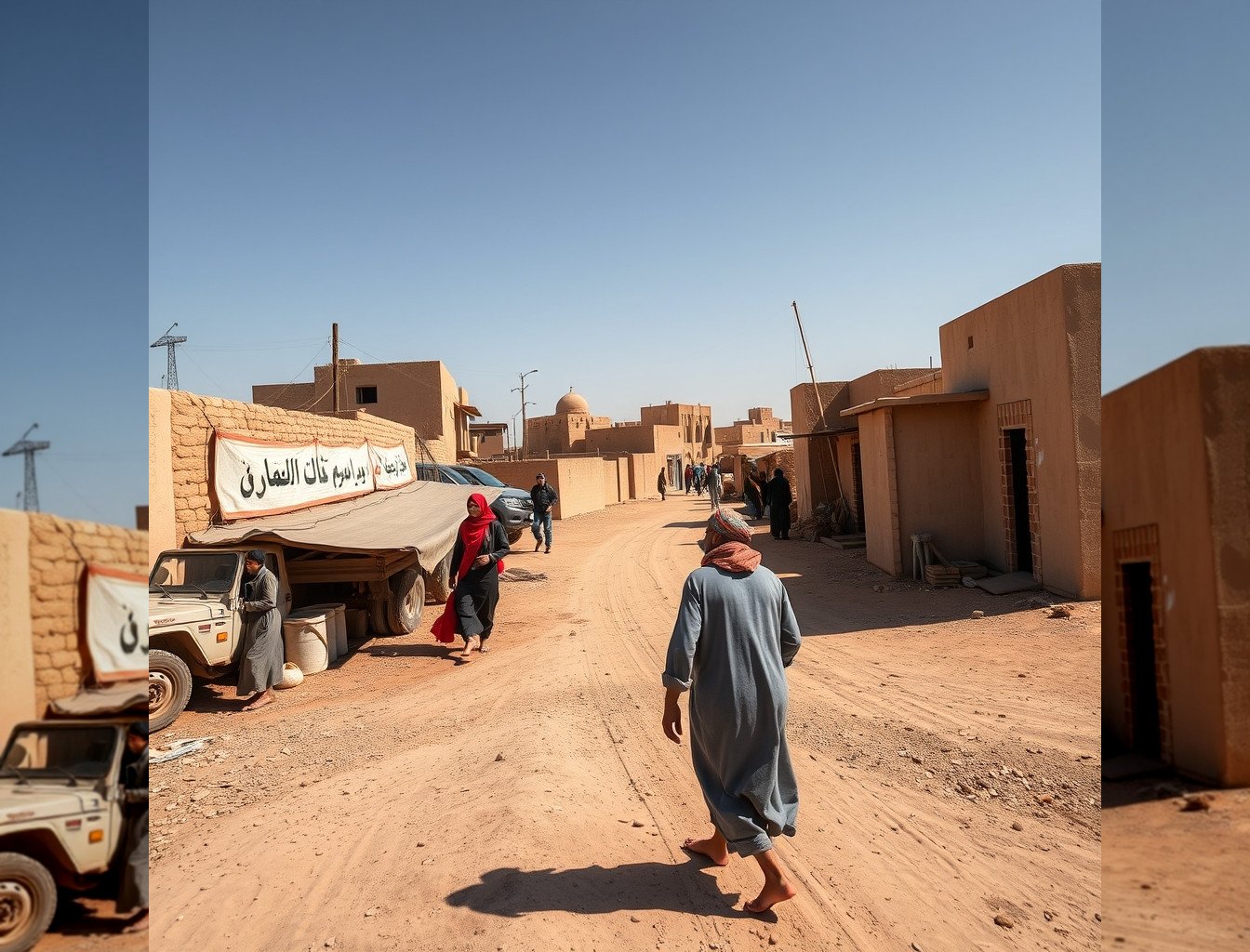
At least 22 people died in recent clashes between Mozabite Berbers and Chaamba Arabs in Ghardaia, a historic oasis city in southern Algeria, according to BBC. The violence, which erupted in early July 2015, has raised concerns about stability in a region that serves as a commercial crossroads for Algeria’s Saharan trade and energy logistics.
Ghardaia is part of the M’Zab Valley, a UNESCO World Heritage site known for its distinctive ksour (fortified villages) and centuries-old trading traditions. The city functions as a key transit point for goods moving between Algeria’s northern ports and the Sahel, including Niger, Mali, and Libya. Local entrepreneurs rely on Ghardaia’s role as a distribution hub for food products, textiles, and construction materials. The recent unrest has disrupted supply chains, with some traders reporting delays in deliveries and increased security costs.
The economic impact extends beyond trade. Ghardaia hosts a growing renewable energy sector, with solar farms supplying electricity to remote southern communities. According to the Algerian Ministry of Energy, the region’s solar capacity reached 350 megawatts in 2014, attracting investment from state-owned Sonelgaz and private firms. The clashes have temporarily halted maintenance work on some solar installations, though no long-term damage has been reported.
For the Algerian diaspora, particularly those in France, Belgium, and Canada, Ghardaia’s instability complicates business ties. Many diaspora entrepreneurs invest in family-run enterprises in the M’Zab Valley, including date farming, handicrafts, and tourism. The violence has led to cancellations of planned visits, affecting seasonal trade in traditional Mozabite carpets and silver jewelry, which generate an estimated $15 million annually in exports.
Local business leaders have called for urgent mediation. The Ghardaia Chamber of Commerce and Industry, representing over 1,200 registered businesses, issued a statement urging authorities to restore security to prevent further economic losses. The chamber’s president, Mohamed Benbrahim, warned that prolonged instability could deter foreign investors eyeing the region’s potential in agro-industry and renewable energy.
The Algerian government has deployed additional security forces to Ghardaia, but tensions remain high. The clashes highlight broader challenges in balancing heritage conservation with economic development. The M’Zab Valley’s UNESCO status imposes restrictions on urban expansion, limiting industrial growth. Entrepreneurs argue that clearer land-use policies are needed to reconcile preservation with business needs, particularly for small manufacturers seeking to expand operations.
For startups in Algeria’s tech and logistics sectors, Ghardaia’s situation underscores the risks of operating in peripheral regions. While Algiers and Oran offer more stable environments, southern cities like Ghardaia and Tamanrasset present untapped markets for e-commerce and digital services. The recent violence may push investors to adopt more cautious strategies, such as partnering with local cooperatives rather than establishing direct operations.
Key takeaway for entrepreneurs
Ghardaia’s unrest disrupts a critical trade corridor linking Algeria’s north and Sahel markets, increasing costs for logistics and energy projects. Diaspora investors should monitor security developments before committing to new ventures in the region. Local businesses may need to diversify supply chains to mitigate future disruptions.
Sources
- BBC
💡 Starting a business in Algeria? GlobalStart guides you step by step: procedures, real costs, company forms (SARL, EURL, SPA) and CNRC registration.