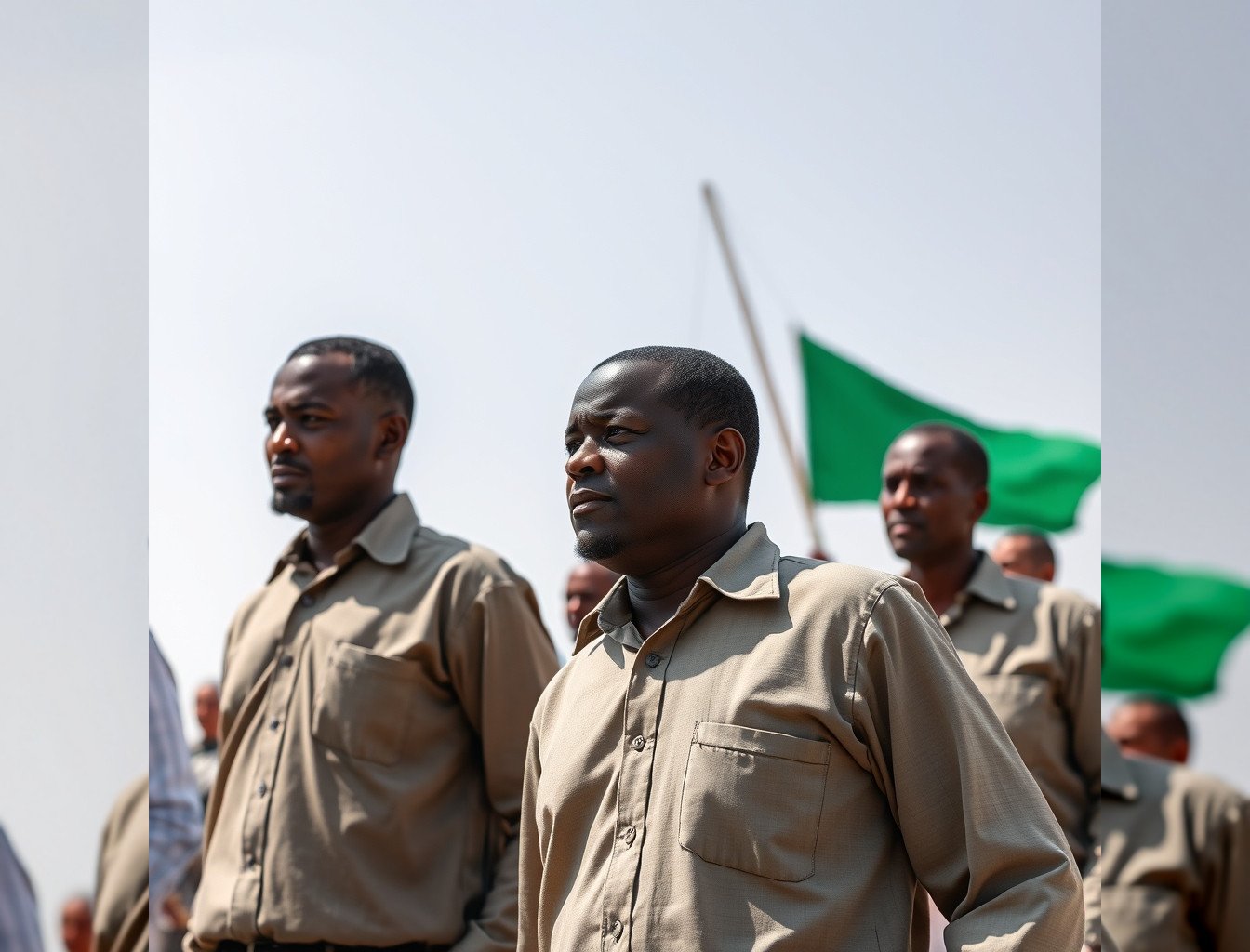
This week, OkayAfrica published an analysis titled Algeria’s Significant Role in Africa’s Wars of Liberation, detailing how Algiers became a hub for anti-colonial movements across the continent. The article highlights that between 1954 and 1975, Algeria provided training, funding, and diplomatic support to liberation groups from Angola, Mozambique, South Africa, and Zimbabwe. The Front de Libération Nationale (FLN) government, under President Ahmed Ben Bella and later Houari Boumédiène, converted military bases in Algiers, Oran, and Tamanrasset into training camps for fighters from the African National Congress (ANC) and the Zimbabwe African National Union (ZANU). According to OkayAfrica, Algeria also funneled over $500 million (adjusted for inflation) in financial aid to these movements, sourced from oil revenues managed by SONATRACH.
From revolutionary networks to trade corridors
The historical ties forged during Africa’s liberation struggles are now translating into economic partnerships. Algeria’s 2024 trade data, released by the Ministry of Commerce, shows that non-hydrocarbon exports to Africa reached $1.2 billion, a 15% increase from 2023. Key markets include Mali, Niger, and South Africa, where Algerian pharmaceuticals (produced by Saidal Group), construction materials (from Groupe Cosider), and agricultural products (from the Office Algérien Interprofessionnel des Céréales) dominate. Entrepreneurs in Algiers and Oran are leveraging these long-standing political relationships to bypass traditional European trade routes, reducing shipping times by up to 40% for goods bound for West Africa.
The African Continental Free Trade Area (AfCFTA), which Algeria joined in 2021, has accelerated this shift. In 2025, the Algerian government launched the African Trade Facilitation Program, offering tax exemptions and fast-track customs clearance for businesses exporting to AfCFTA member states. According to the Algerian Customs Authority, 320 Algerian companies—mostly SMEs in agribusiness and renewable energy—have already benefited from the program, with exports to Côte d’Ivoire and Senegal growing by 22% in the first half of 2025.
Diaspora dollars and historical capital
The Algerian diaspora, particularly in France, Canada, and the Gulf, is increasingly investing in sectors tied to Africa’s growth. A 2025 report by the Bank of Algeria shows that remittances from the diaspora reached $2.3 billion in 2024, with a notable portion directed toward startups in logistics, fintech, and solar energy. Entrepreneurs like Karim Benamara, founder of the Algiers-based logistics firm AfriLog, cite Algeria’s liberation-era connections as a competitive advantage. “Our clients in Bamako and Niamey trust us because we’re not just another foreign company—we’re part of a shared history,” Benamara told Jeune Afrique in March 2025. His company, which operates a fleet of 500 trucks, has secured contracts to transport goods for the Malian and Nigerien governments, bypassing competitors from Europe and China.
The diaspora’s role extends beyond trade. In 2024, the Algerian government launched the Diaspora Investment Fund, a $100 million initiative to finance startups in sectors like renewable energy and digital services. The fund prioritizes projects that align with Algeria’s historical ties to Africa, such as solar farms in the Sahel or e-commerce platforms linking Algerian producers to African markets. So far, 12 startups have received funding, including Sahara Solar, which supplies off-grid solar systems to rural communities in Mauritania and Chad.
SONATRACH’s pivot to African energy markets
Algeria’s energy giant, SONATRACH, is capitalizing on its liberation-era relationships to expand its footprint in Africa. In 2025, the company signed a $2.5 billion deal with Nigeria’s NNPC to build a 4,000-kilometer gas pipeline connecting Algeria to Nigeria via Niger. The project, dubbed the Trans-Saharan Gas Pipeline, will transport 30 billion cubic meters of gas annually, supplying markets in West and Central Africa. SONATRACH’s CEO, Rachid Hachichi, stated in a recent interview with Algeria Press Service that the pipeline “builds on decades of solidarity between Algeria and its African partners.”
The company is also investing in renewable energy projects across the continent. In 2024, SONATRACH partnered with Morocco’s ONEE to develop a 500-megawatt solar farm in Mauritania, part of Algeria’s broader strategy to position itself as a green energy hub for Africa. The project, which received $300 million in funding from the African Development Bank, will supply electricity to Mauritania and Senegal, reducing their reliance on diesel generators.
Challenges and opportunities for entrepreneurs
Despite these advances, Algerian businesses face hurdles in African markets. Bureaucratic delays, currency fluctuations, and competition from Chinese and Turkish firms remain persistent challenges. A 2025 survey by the Algerian Chamber of Commerce found that 60% of SMEs exporting to Africa cited customs procedures as their biggest obstacle. To address this, the government has established One-Stop Shops in Algiers, Oran, and Annaba, where entrepreneurs can obtain export licenses, tax exemptions, and logistical support within 48 hours.
Another opportunity lies in Algeria’s growing tech sector. Startups like Yassir, a ride-hailing app, and TemTem, a fintech platform, are expanding into Africa, leveraging Algeria’s historical ties to gain market share. Yassir, which operates in Morocco and Tunisia, recently raised $150 million in a funding round led by UAE-based investors, with plans to enter Côte d’Ivoire and Senegal by 2026.
Key takeaway for entrepreneurs
Algeria’s liberation-era relationships with Africa are creating tangible business opportunities, particularly in trade, energy, and tech. Entrepreneurs can leverage the AfCFTA, diaspora networks, and government incentives to access fast-growing markets in West and Central Africa. However, success requires navigating bureaucratic hurdles and differentiating from global competitors—historical ties alone won’t guarantee deals.
Sources
- France 24
- The Christian Science Monitor
- Oxford Political Review
- caspiannews.com
- Middle East Eye
- The Arab Weekly
💡 Starting a business in Algeria? GlobalStart guides you step by step: procedures, real costs, company forms (SARL, EURL, SPA) and CNRC registration.