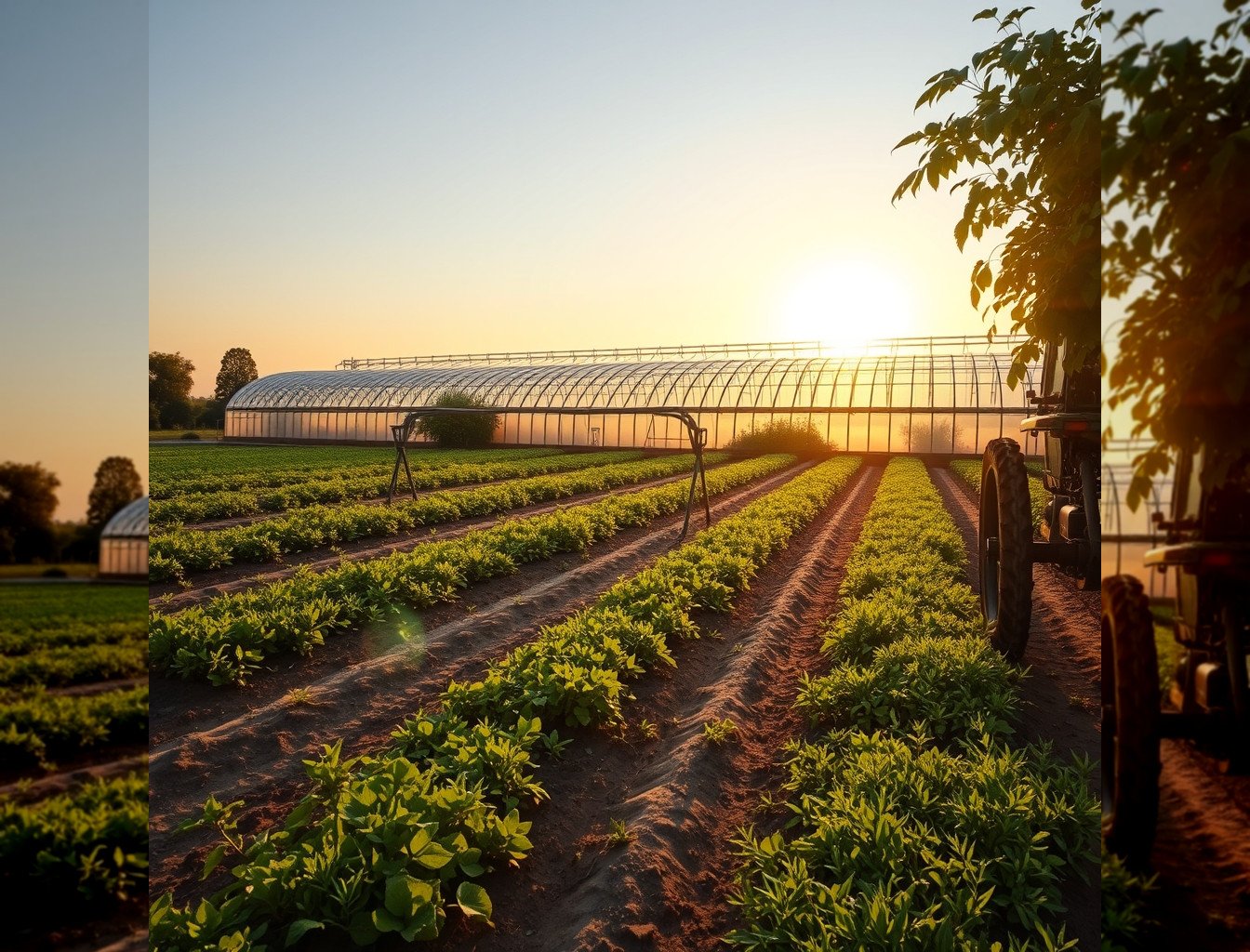
1. Why agriculture startups in Algeria?
Algeria’s food security crisis and import dependence create demand for local solutions. The government’s 2023–2027 agricultural strategy targets $10 billion in investments to boost production, with subsidies for modern farming. Startups in vertical farming, agro-processing, and precision irrigation face fewer competitors than traditional farms.
Key drivers:
– Import substitution: Algeria spends $10 billion annually on food imports (FAO 2022).
– Subsidies: The state funds 30–50% of project costs for eligible sectors (e.g., dairy, olive oil, poultry).
– Diaspora interest: Algerian expats in France/Germany return with capital for agri-tech.
Pitfall: Many startups fail due to land access delays or bank financing rejections. Foreign investors must navigate local partnerships to secure permits.
2. Step 1: Define your agricultural niche
Not all sectors qualify for subsidies or fast-track permits. Focus on high-demand, low-competition areas:
A. Eligible sectors with government support
How to verify eligibility:
– Check the Ministry of Agriculture’s annual plan (published yearly).
– Contact the CNRC (National Centre for Agricultural Research) for sector-specific grants.
B. Sectors with higher hurdles
Pitfall: Assuming all agri-startups get equal treatment. Vertical farming and processing have the fastest approvals.
3. Step 2: Choose your legal structure
Algeria offers three main options for agriculture startups, each with tax and funding implications.
A. SARL (Limited Liability Company) – Most common for SMEs
Documents needed:
– Company deed (notarized, drafted by a lawyer).
– Trade license from the Chamber of Commerce.
– Land lease/ownership proof (see Step 4).
Pitfall: Banks often require personal guarantees from founders, even for SARLs.
B. SC (Corporation) – For larger-scale investors
C. Individual Farmer Status (for sole proprietors)
Best choice for most startups: SARL under ANSEJ (see Step 5).
4. Step 3: Secure land and permits
Land access is the biggest bottleneck. Options vary by region.
A. Leasing vs. Buying Land
How to lease state land:
1. Submit a request to the Wilaya (province) Agriculture Office.
2. Provide business plan + financial guarantees.
3. Wait for CNRC approval (can take 3–6 months).
4. Sign a 10–20 year lease (renewable).
Pitfall: Corruption risks in land allocation. Always use a local lawyer to navigate Wilaya offices.
B. Required Permits
Fastest permits:
– Vertical farming: Often approved in 1–2 months if using hydroponics.
– Agro-processing: Requires health & safety certification (from Ministry of Health).
5. Step 4: Register with ANSEJ for startup benefits
ANSEJ (National Agency for Support of Young Entrepreneurs) offers tax breaks, grants, and faster licensing for agri-startups.
Eligibility Criteria
Benefits
How to Apply
Pitfall: ANSEJ rejects vague proposals. Include market data, financial projections, and land proof.
6. Step 5: Access funding and subsidies
Algeria offers multiple funding sources, but each has strings attached.
A. Government Grants & Subsidies
How to apply:
– CNRC grants: Submit via Ministry of Agriculture portal.
– CASNOS loans: Requires bank guarantee + business plan.
– ANSEJ: Applied during registration (Step 4).
B. Bank Loans (Traditional & Islamic)
Pitfall: Banks reject 50% of agri-loans due to perceived risk. Prepare a strong cash-flow forecast.
C. Diaspora & Foreign Investment
Fastest funding route: ANSEJ + CASNOS combo for eligible startups.
7. Step 6: Hire and operate legally
A. Labor Laws for Agriculture
Pitfall: Undocumented workers lead to fines (up to 500,000 DZD).
B. Tax Obligations
When to file:
– Quarterly VAT returns (due 30 days after quarter-end).
– Annual corporate tax (due March 31).
FAQ
Q: Can foreigners own 100% of an agriculture startup in Algeria?
No. Most sectors require 51% Algerian ownership. Exceptions exist for tech-enabled agri-services (e.g., software for irrigation), but land ownership is restricted to Algerians.
Q: How long does it take to get a land lease from the government?
3–12 months, depending on the Wilaya. Vertical farming projects often get faster approvals (1–3 months) if they align with national food security goals.
Q: What’s the biggest mistake agri-startups make in Algeria?
Underestimating land access delays. Many founders assume they can lease land quickly, but bureaucracy and local politics add months. Work with a lawyer from day one.
What to do next
Sources
💡 Starting a business in Algeria? GlobalStart guides you step by step: procedures, real costs, company forms (SARL, EURL, SPA) and CNRC registration.