A first for Morocco, a blueprint for Algeria’s electric transport
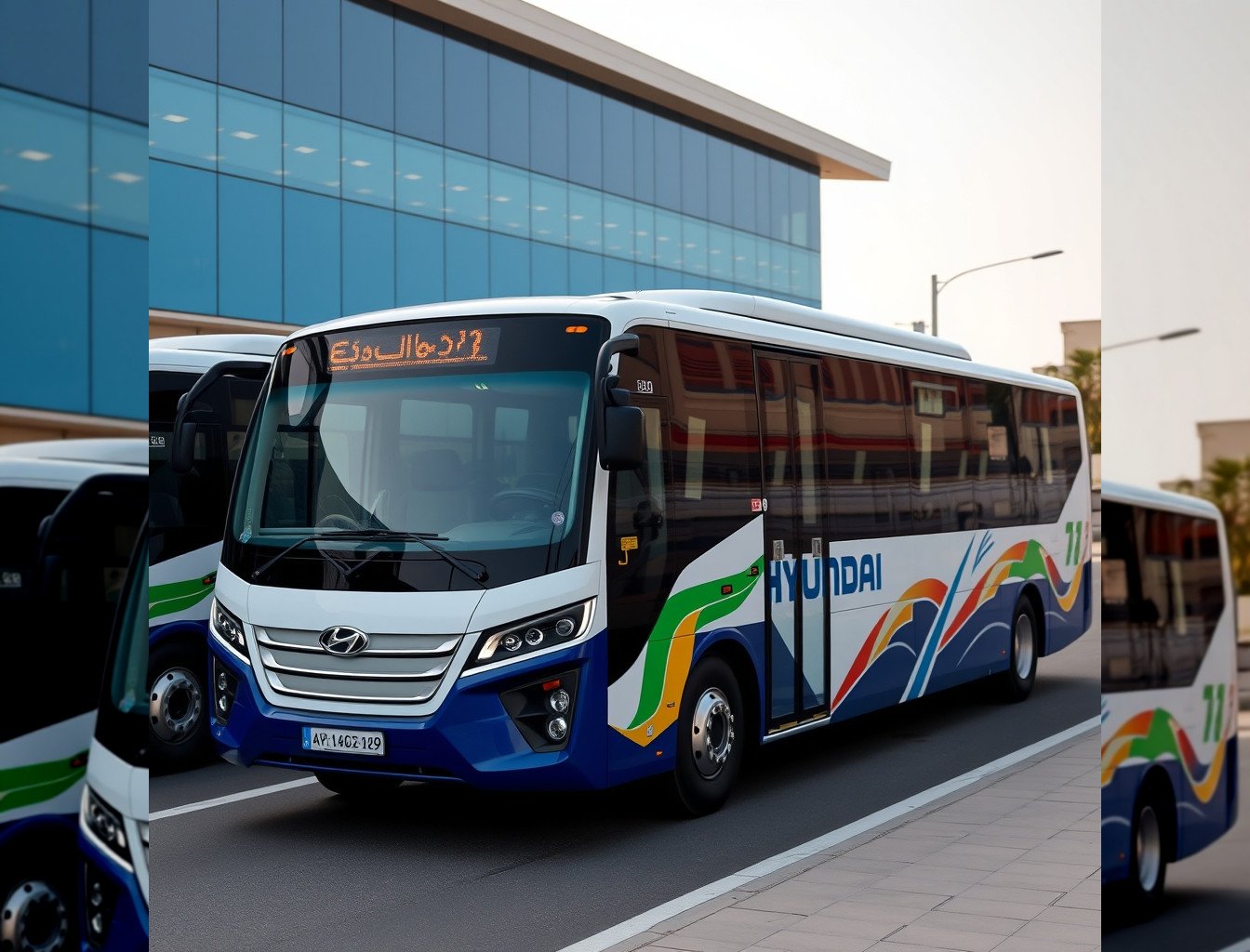
Morocco’s Marrakech has just become the first North African city to operate domestically produced electric buses. The 15 Hyundai Elec City buses, delivered under a joint project with South Korea’s KOICA and the municipal government, mark a turning point for the region’s transport sector. This is not just a fleet acquisition—it is a pilot program that embeds charging infrastructure, technical training, and long-term capacity building into the deal.
For Algeria, watching closely, the project offers a template for how to accelerate an electric vehicle (EV) transition without bearing the full cost or risk alone. The buses were handed over in South Korea before their arrival in Morocco, a logistical detail that underscores the role of foreign aid in kickstarting local adoption. KOICA’s involvement goes beyond vehicle supply: it includes fast-charging stations and hands-on training for local operators. This dual approach—hardware and human capital—is critical for Algeria’s entrepreneurs, who must navigate both infrastructure gaps and a skills shortage in the EV sector.
The Marrakech project is also a test of how development partnerships can align with climate goals. Hyundai’s executive director for commercial vehicles, Lee Seung-min, framed the initiative as a tool to cut Marrakech’s air pollution while supporting Morocco’s 2030 emissions target of a 45.5% reduction. Algeria’s own climate commitments—including a pledge to reach carbon neutrality by 2050—could benefit from similar structured collaborations. The key difference lies in execution: Morocco’s model shows that foreign investment can fund pilot projects, but local innovation will determine whether these initiatives scale into sustainable industries.
Training and tech transfer: Algeria’s untapped leverage
The Marrakech buses are more than vehicles—they are a package deal. KOICA’s role extends to technical cooperation, ensuring that Moroccan operators can maintain and optimize the fleet. This is where Algeria’s entrepreneurs must focus: not just on acquiring EVs, but on building the ecosystem around them. The country already has a workforce with experience in logistics and energy sectors, but the gap in EV-specific skills remains a bottleneck.
Hyundai’s involvement highlights another critical factor: technology transfer. The buses were produced in South Korea, but the project includes local training programs to ensure Moroccan technicians can service them. For Algeria, this means leveraging partnerships—not just to import EVs, but to absorb the knowledge needed to produce, repair, and innovate within the sector. The challenge is to replicate this model without over-reliance on foreign aid. The real opportunity lies in turning these partnerships into long-term collaborations that foster local expertise.
Algeria’s diaspora, particularly in Europe, could play a pivotal role here. Many Algerian entrepreneurs abroad have backgrounds in green energy, logistics, or automotive sectors. The Marrakech project’s success might inspire them to invest in Algeria’s EV transition—whether through charging infrastructure, battery recycling, or fleet management software. The diaspora’s financial and technical resources could bridge the gap between pilot projects and scalable industries.
A test for Algeria’s EV ambitions—and the diaspora’s role
The Marrakech initiative is more than a case study—it is a stress test for Algeria’s electric transport ambitions. The project’s success hinges on three factors: infrastructure, skills, and local ownership. KOICA’s funding covers the initial setup, but Morocco’s ability to sustain the fleet depends on whether it can train operators, maintain the buses, and expand the network. Algeria’s entrepreneurs must ask: Can we replicate this model without waiting for foreign aid?
The answer lies in partnerships. Hyundai and KOICA provided the buses, chargers, and training—but Morocco’s government and private sector will determine the project’s longevity. For Algeria, this means identifying local players who can collaborate with international firms to build a self-sustaining EV ecosystem. The diaspora could accelerate this by investing in startups or joint ventures focused on charging networks, battery technology, or software solutions for fleet management.
The risk is clear: without local innovation, Algeria’s EV transition will remain dependent on external funding. The reward, however, is the potential to create an indigenous industry—one that not only adopts foreign technology but adapts and improves it. The Marrakech project proves that small-scale pilots can lead to broader change, but only if entrepreneurs act now to turn them into homegrown solutions.
Key takeaway for entrepreneurs
Algeria’s shift to electric transport won’t happen overnight, but the Marrakech model shows how to start small and scale fast. The real opportunity is in turning pilot programs into local industries—before competitors do. Entrepreneurs must focus on partnerships, skills development, and leveraging the diaspora’s expertise to build an EV ecosystem that is both sustainable and self-reliant. The time to act is now.
Sources
💡 Starting a business in Algeria? GlobalStart guides you step by step: procedures, real costs, company forms (SARL, EURL, SPA) and CNRC registration.