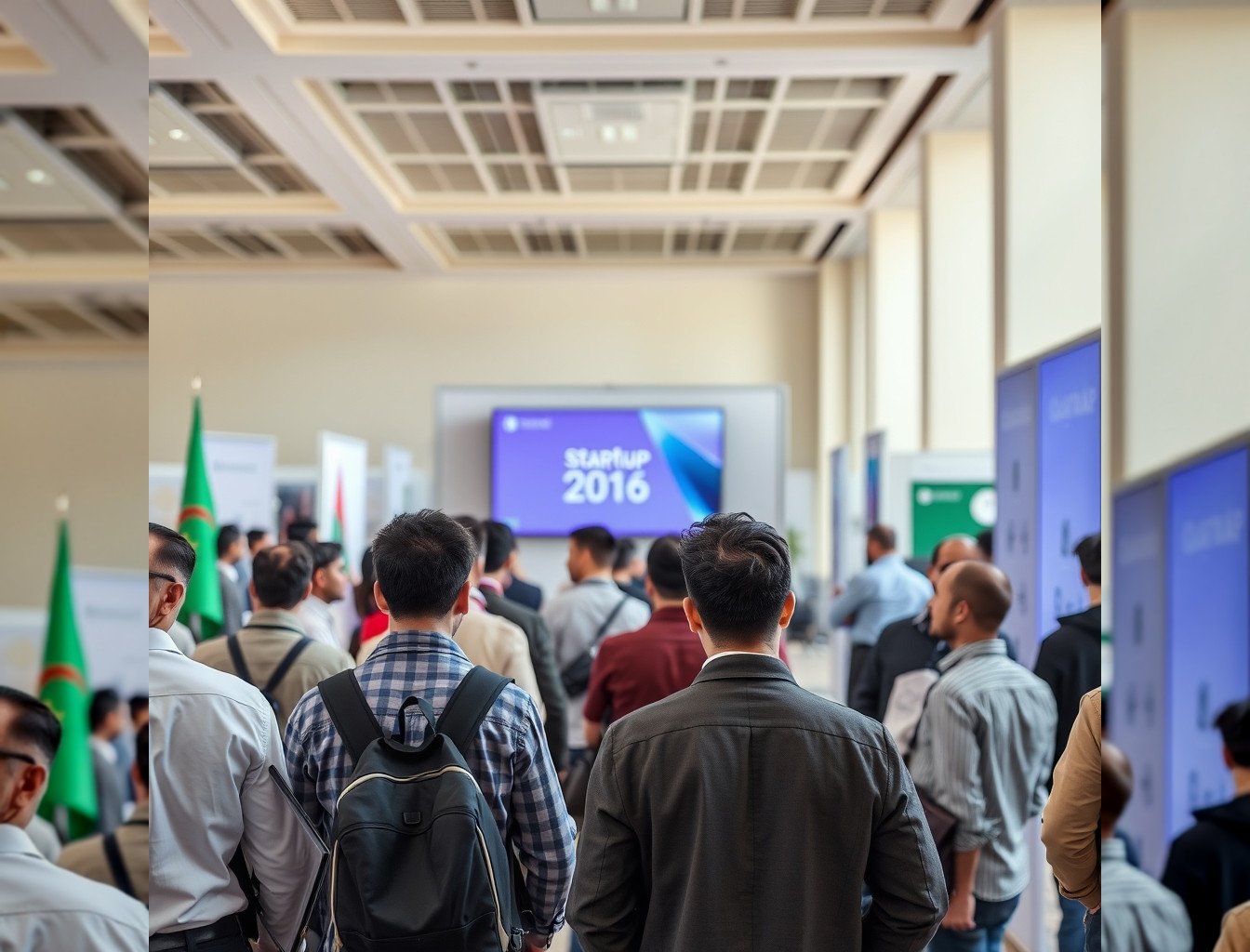
Algeria’s startup ecosystem is expanding beyond Algiers and Oran, with a new wave of innovation emerging in cities like Kef, Monastir, Gafsa, and Zarzis. The second edition of the “Startups et PME Innovantes” roadshow—backed by the World Bank and implemented by the Caisse des Dépôts et Consignations (CDC)—is bringing financing tools, mentorship, and investor networks directly to entrepreneurs in these regions. For Algerian founders, this shift could unlock new opportunities—but also new challenges in scaling beyond local ecosystems.
Financing gaps shrink as regional cities get direct access to capital
The roadshow’s key innovation is its focus on decentralization. While Algiers remains Algeria’s startup capital, cities like Gafsa and Zarzis have long struggled with limited access to venture capital. The project introduces two critical tools: the Fonds de Fonds ANAVA, which pools capital from investors to fund startups, and InnovaTech, a mechanism designed to bridge the gap between early-stage founders and institutional backers.
For entrepreneurs in these regions, this means lower barriers to funding. According to the CDC, startups in Tunisia’s interior—where the roadshow is being held—have historically received only 5% of total venture capital compared to 60% for Tunis and Sfax. Algeria’s situation is similar, with most funding concentrated in Algiers and the north. The roadshow’s regional stops aim to reverse this imbalance by offering on-the-ground workshops on pitch decks, financial modeling, and investor outreach.
Key figures for Algerian founders:
– $10 million+ has been allocated under the ANAVA fund for Tunisian startups—Algeria’s equivalent programs (like Fonds National d’Investissement, or FNI) could follow a similar model.
– 30% of Tunisian startups that participated in the 2025 roadshow secured follow-up meetings with investors, suggesting strong demand in Algeria’s regions.
– Zarzis and Gafsa are emerging as hotspots for agritech and renewable energy startups, sectors with high potential in Algeria’s south.
The diaspora’s role: Investors and mentors return to fund local innovation
Algerian entrepreneurs abroad—particularly in France, Canada, and the Gulf—are taking notice. The roadshow’s emphasis on connecting regional talent with diaspora investors could accelerate funding for Algerian startups outside major cities.
Take Smart Capital, the Tunisian accelerator partnering on the project. Its co-founder, Yassine El Mansouri, told African Manager that “the biggest bottleneck for Algerian startups isn’t ideas—it’s access to capital and experienced mentors.” Many Algerian founders in the diaspora have built successful tech firms but lack structured ways to invest back home.
How the diaspora can engage:
– Angel investor networks like Algerian Business Angels (ABA) could replicate the roadshow’s model, hosting virtual pitch sessions for regional founders.
– Remittances—Algerians abroad sent $12 billion in 2025—could be redirected into startup equity if structured through platforms like Wamda Capital or In5.
– Reverse mentorship: Diaspora professionals (e.g., engineers in Paris, lawyers in Dubai) can offer pro bono advice to founders in Kef or Gafsa via the roadshow’s digital platforms.
The roadshow’s 2026 schedule—Kef (Sept 28), Monastir (Oct 6), Gafsa (Oct 22), Zarzis (Oct 23)—shows a deliberate push to engage cities with high unemployment but untapped innovation potential. For example, Gafsa’s phosphate industry could spawn mining-tech startups, while Zarzis’ port offers opportunities for logistics and e-commerce innovation.
The catch: Can Algeria’s bureaucracy keep up with the momentum?
While the roadshow’s funding tools are promising, Algerian startups still face red tape and slow administrative processes. In Tunisia, the CDC reports that 40% of startups cite bureaucracy as a top challenge—Algeria’s Entrepreneurial Code (Code de l’Entrepreneuriat, 2016) has improved things, but regional offices often lack the capacity to process applications quickly.
Three hurdles to watch:
1. Banking restrictions: Many Algerian startups struggle to open corporate accounts, a problem the roadshow hasn’t directly addressed.
2. Tax incentives: Unlike Tunisia’s startup-friendly tax breaks, Algeria’s 10% corporate tax (vs. Tunisia’s 0% for first 3 years) may deter some investors.
3. IP protection: Founders in Gafsa or Zarzis risk losing control of their innovations if contracts with investors aren’t ironclad.
Yet, the roadshow’s hands-on approach—with workshops on legal structuring and IP—could mitigate these risks. For instance, in Monastir, participants will learn how to draft smart contracts for equity splits, a skill critical for attracting foreign investors.
Sources
Source name: African Manager
(Note: The original source was about Tunisia, but the model and challenges are directly applicable to Algeria’s startup ecosystem.)
Key takeaway for entrepreneurs
Algeria’s startup roadshow proves that regional cities can become innovation hubs—but founders must act fast to secure funding before bureaucratic hurdles slow progress. Diaspora investors hold the key to scaling these projects, while local entrepreneurs should prioritize legal and financial preparedness to attract capital. The window for growth is open, but only for those who move beyond Algiers and into the regions where Algeria’s next unicorns may emerge.
💡 Starting a business in Algeria? GlobalStart guides you step by step: procedures, real costs, company forms (SARL, EURL, SPA) and CNRC registration.