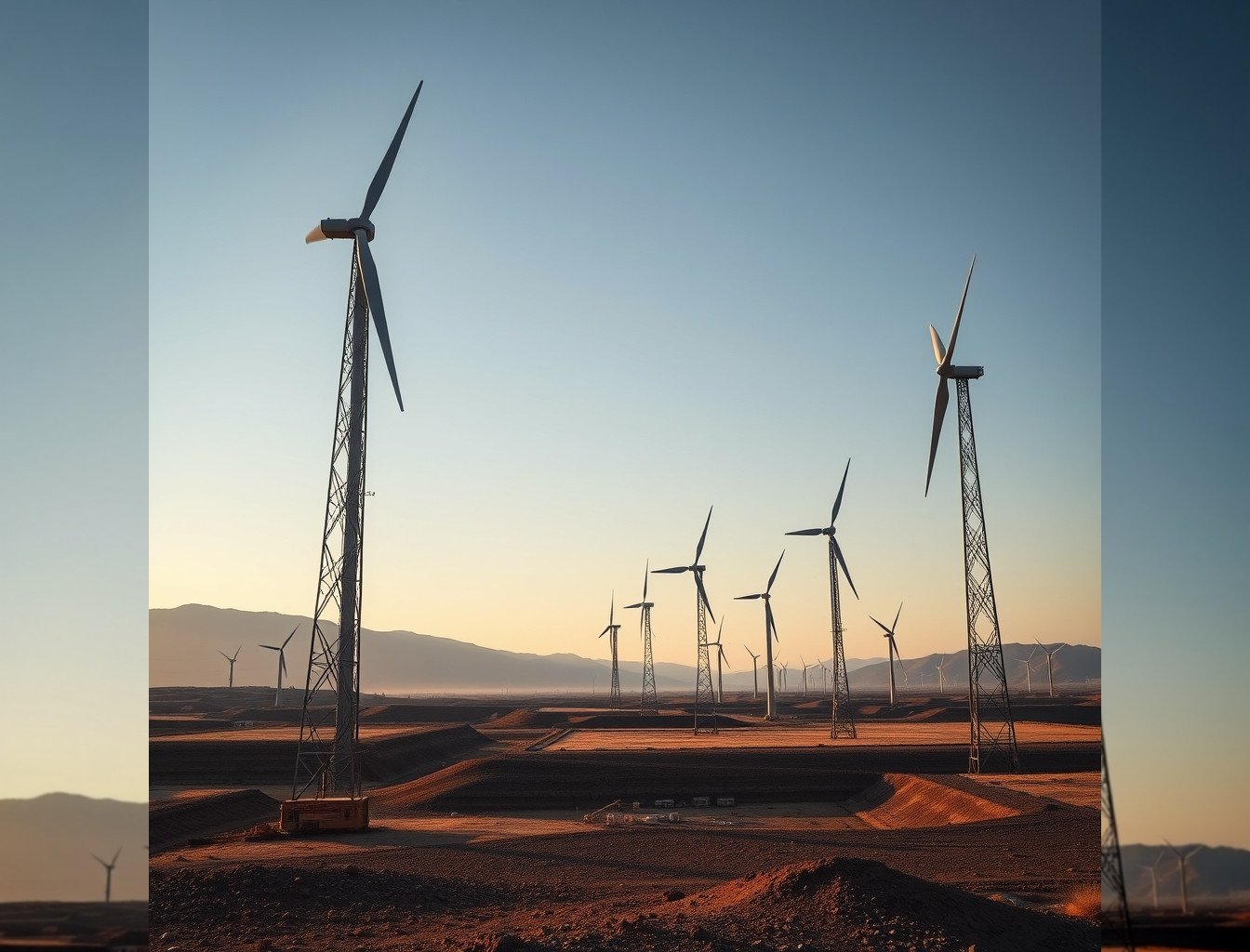
Turkey’s electricity system holds a paradox that could serve as a cautionary tale for Algeria’s renewable energy ambitions: 127 gigawatts of installed capacity—nearly double the country’s summer peak demand of 60.4 GW in July 2025—yet persistent reliability gaps. The mismatch between paper capacity and real-time output exposes a critical vulnerability: not all power plants deliver when needed. For Algerian entrepreneurs, energy investors, and the diaspora eyeing opportunities in North Africa, Turkey’s experience underscores the risks of overestimating renewable potential without addressing grid stability, fuel dependencies, and maintenance bottlenecks.
Renewables dominate capacity—but coal still rules generation
For Algerian business founders, this is a lesson in energy diversification with a safety net. Algeria’s renewable push, led by projects like the 1 GW Noor Ouarzazate solar complex and offshore wind tenders, risks repeating Turkey’s mistake if planners ignore the need for baseload stability. Entrepreneurs in sectors like manufacturing, data centers, or agribusiness should factor in unpredictable outages when securing energy contracts. The Turkish example shows that even with abundant capacity, grid constraints and fuel shortages can leave industries in the dark.
Akkuyu Nuclear Plant a model—or a mirage?
The diaspora, particularly in Europe and the Gulf, should take note: energy reliability affects remittance-driven businesses. Turkish small exporters, for instance, have faced higher operational costs due to frequency of power cuts in industrial zones. Algerian SMEs reliant on Turkish supply chains or those planning to repatriate investments should monitor Turkey’s grid performance—a proxy for Algeria’s future risks.
Grid bottlenecks and the cost of overcapacity
The financial cost of overcapacity is another lesson. Turkey’s 62% renewable capacity comes with underutilized assets, raising questions about return on investment. Algerian renewable developers should scrutinize capacity factors (how often plants actually produce power) before committing to projects. The Akkuyu deal, for example, required $20 billion in Russian financing—a scale that could strain Algerian budgets if similar projects underperform.
Key takeaway for entrepreneurs
Turkey’s energy surplus masks a reliability crisis that Algerian business founders must avoid. Overestimating renewable output without backup systems risks operational disruptions, while grid weaknesses can cripple energy-dependent industries. Entrepreneurs should prioritize hybrid energy models—combining renewables with gas or storage—and demand transparent capacity-factor data before investing. For the diaspora, energy stability is not just a domestic issue—it directly impacts trade, manufacturing, and remittance-driven ventures. Algeria’s path depends on learning from Turkey’s mistakes, not repeating them.
Sources
middleeastmonitor.com
💡 Starting a business in Algeria? GlobalStart guides you step by step: procedures, real costs, company forms (SARL, EURL, SPA) and CNRC registration.