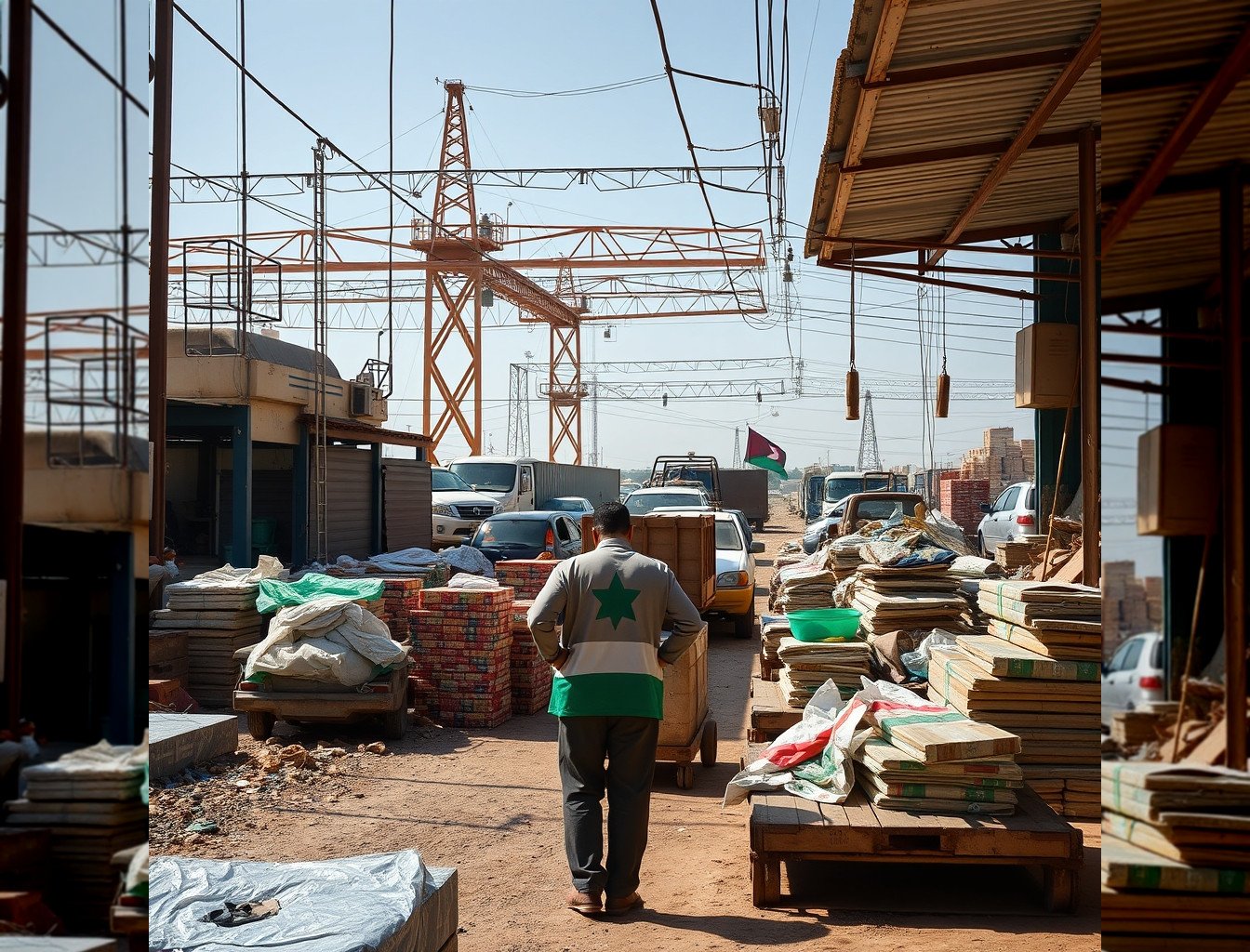
War Destroys Gaza’s Infrastructure—What It Means for Algerian Businesses
This crisis is not just a humanitarian disaster. It disrupts global supply chains that Algerian exporters and importers rely on. Gaza’s ports, once key transit points for goods moving between the Mediterranean and the Middle East, are now inaccessible. For Algerian businesses trading with Israel, the Palestinian Territories, or Egypt, the war has created new risks—delays, higher costs, and uncertainty.
Algerian Entrepreneurs Face Rising Costs and Logistical Nightmares
For Algerian startups and SMEs, this means higher operational costs. Freight forwarders are charging premium rates to reroute cargo around Gaza, and insurance policies for high-risk zones have become more expensive. Entrepreneurs in sectors like agriculture, pharmaceuticals, and construction—where Algeria has strong trade ties with the region—must now factor in these disruptions.
The war has also exposed vulnerabilities in Algeria’s own industrial base. Many Algerian factories source raw materials from Europe or the Gulf, but if Middle Eastern conflicts escalate, these routes could face similar instability. Businesses that once relied on Gaza as a low-cost manufacturing hub (for textiles, electronics, or food processing) must now look to Tunisia, Morocco, or even Turkey for alternatives.
The Algerian Diaspora’s Business Networks Are Under Threat
Middleeastmonitor.com notes that Palestinian families in Gaza can no longer send remittances reliably, and many Algerian businesses that relied on Palestinian labor or suppliers are now struggling. For example, Algerian textile factories that sourced fabric from Gaza-based suppliers must now find new vendors, often at higher prices. The diaspora’s purchasing power—once a stable market for Algerian goods—is also weakening as economic hardship spreads.
Opportunities in Resilience and Alternative Markets
Algerian tech startups specializing in remote monitoring, disaster relief coordination, or digital trade platforms could also benefit. The war has accelerated the need for virtual supply chain management, and Algerian firms with strong IT infrastructure may position themselves as reliable partners for businesses avoiding Gaza’s instability.
Additionally, Algerian exporters of food, medicine, and construction materials could see increased demand from countries like Egypt, Jordan, and Lebanon, which are absorbing Gaza’s displaced population. If Algerian businesses can secure contracts in these markets, they could offset losses from disrupted trade routes.
Key takeaway for entrepreneurs
Algerian business founders must diversify suppliers, secure alternative logistics routes, and invest in digital resilience. The Gaza crisis proves that no supply chain is immune to geopolitical shocks—entrepreneurs who hedge risks now will be the ones who survive and grow when stability returns. For the diaspora, rebuilding trust and finding new economic bridges will be critical to maintaining livelihoods.
Sources
💡 Starting a business in Algeria? GlobalStart guides you step by step: procedures, real costs, company forms (SARL, EURL, SPA) and CNRC registration.