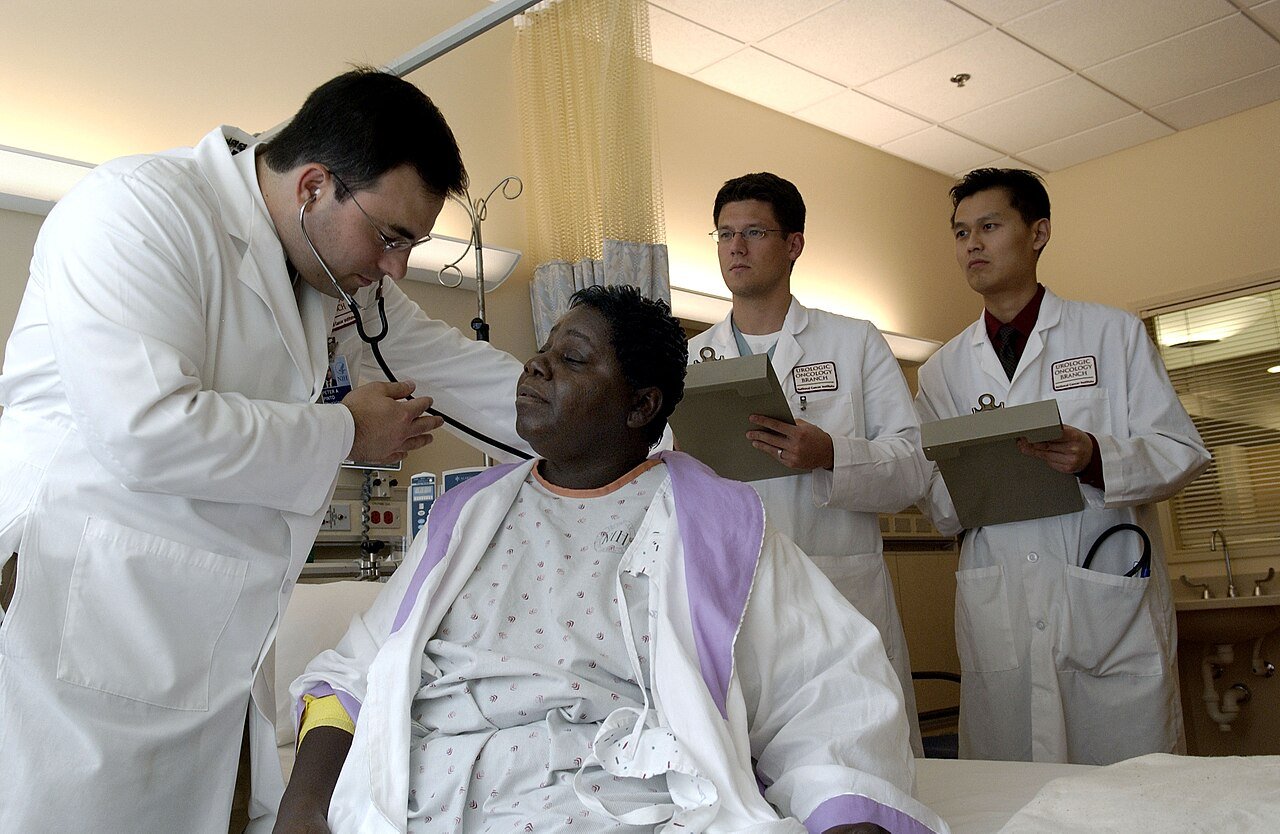
1. Health Sector Under Pressure: Closures and Funding Gaps
Private sector impact:
– Revenue drop: Clinics rely on 30–40% of income from foreign patients (mostly French, Gulf, and sub-Saharan Africans). The devaluation of the dinar (–15% vs. euro since 2023) and visa restrictions have cut foreign visits by 25% in Q1 2024.
– Cost squeeze: Electricity tariffs rose 30% in January 2024, adding DZD 5–8 million/year to clinic overheads. Pharmaceutical imports now face 40% customs delays due to port congestion in Algiers and Oran.
Public sector spillover:
– Hospital overcrowding in Algiers and Annaba has increased by 18% since December, as private clinics refer patients back to public facilities. Wait times for non-urgent care now exceed 45 days in 60% of public hospitals.
2. Pharmaceutical Industry: Supply Chains Under Strain
– India’s export ban on 27 drugs (including paracetamol and antibiotics) has triggered shortages in 12 Algerian cities. Local distributors report 30–50% stockouts for these items.
– China’s slowdown in exports due to New Year holidays delayed DZD 12 billion worth of shipments (equivalent to 15% of Algeria’s monthly pharmaceutical imports).
– France’s EU export controls on opioids and insulin have pushed prices up by 20–30% for Algerian importers. One distributor in Algiers said: “We’re now paying €2,500 per pallet for insulin—up from €1,800 in November.”
Business impact:
– Local production is negligible (only 2% of demand is met by Algerian firms). Sofarpharm (public) and Pharma5 (private) have no capacity to fill gaps.
– Parallel imports (smuggled drugs via Tunisia/Morocco) now account for 10–15% of the market, but quality risks are rising. One Algerian pharmacist in Oran said: “We’ve seen counterfeit ciprofloxacin—sold at half price—from Morocco.”
3. Diaspora Remittances: A Lifeline for Clinics and Patients
This week’s trends:
– French expats (the largest group) face higher transfer fees due to EU anti-money-laundering rules. Western Union and MoneyGram now charge 3–5% more on dinar transfers, reducing net remittances by DZD 100–200 million/month.
– Gulf workers (mostly in UAE and Saudi Arabia) are cutting transfers by 10–15% due to local economic slowdowns. One money transfer agent in Algiers said: “Emirati expats now send DZD 50,000 instead of DZD 70,000 per month.”
– Healthcare spending by diaspora remains stable, but insurance coverage is dropping. Only 30% of Algerian expats in France now have private health insurance (down from 40% in 2022), pushing more patients to Algerian clinics for treatment.
Entrepreneur opportunity:
– Telemedicine startups (e.g., DocAlgerie, Medsos) are seeing 20% more sign-ups from diaspora patients. Monthly subscriptions (DZD 1,500–3,000) now cover consultations + medication delivery.
– Pharmacy delivery services (e.g., PharmaExpress) report 35% growth in orders from Algerian expats in Europe, who avoid high EU drug prices.
4. Black Swan Risks: What If Sudan-Style Closures Hit Algeria?
– Public health budget: DZD 450 billion (2024)—only 5% of GDP (vs. 6–8% in Tunisia/Morocco). Private clinics cover 40% of non-emergency care.
– Foreign aid dependence: Algeria receives $50 million/year in health aid (mostly from WHO and EU). A 20% cut would force 100+ clinics to shut.
– Diaspora as safety net: 1 in 5 Algerian households relies on remittances for healthcare. If transfers drop by 25%, private clinic revenues fall by DZD 30 billion/year.
Entrepreneur risk:
– Insurance sector is underdeveloped. Only 1.2 million Algerians (3% of population) have private health insurance. Startups like AssurAlger (launched 2023) struggle with low uptake due to distrust in local insurers.
– Debt collection is brutal. 30% of private clinics have unpaid bills over DZD 1 million from patients who can’t pay. One clinic owner in Béjaïa said: “We’ve had to fire security guards to chase debts—it’s not sustainable.”
5. Export Opportunities: Algeria’s Untapped Health Niche
1. Medical equipment re-exports
– Algeria imports $1.2 billion/year in medical devices (mostly from Germany, Italy, Turkey). Entrepreneurs can buy used equipment cheaply (e.g., MRI machines for DZD 5–8 million) and resell to sub-Saharan Africa (where demand is 3x higher).
– Example: One Algerian trader in Algiers bought 50 used ventilators from a French hospital and sold them to Niger and Chad for 50% profit.
2. Halal pharmaceuticals for Muslim markets
– Gulf states import DZD 80 billion/year in medicines. Algerian firms can certify drugs as halal (via Malaysia’s JAKIM) and export to UAE, Saudi Arabia.
– Barrier: Only 2 Algerian firms (Sofarpharm, Pharma5) have halal certification—a gap for private labs.
3. Diaspora-focused telehealth
– Algerian expats in France spend €1.2 billion/year on healthcare. A telemedicine platform linking Algerian doctors (lower fees) with diaspora patients could capture 5–10% of this market.
– Revenue model: DZD 1,000–2,000 per consultation (vs. €50–100 in France).
Key Takeaway for Entrepreneurs
💡 Starting a business in Algeria? GlobalStart guides you step by step: procedures, real costs, company forms (SARL, EURL, SPA) and CNRC registration.