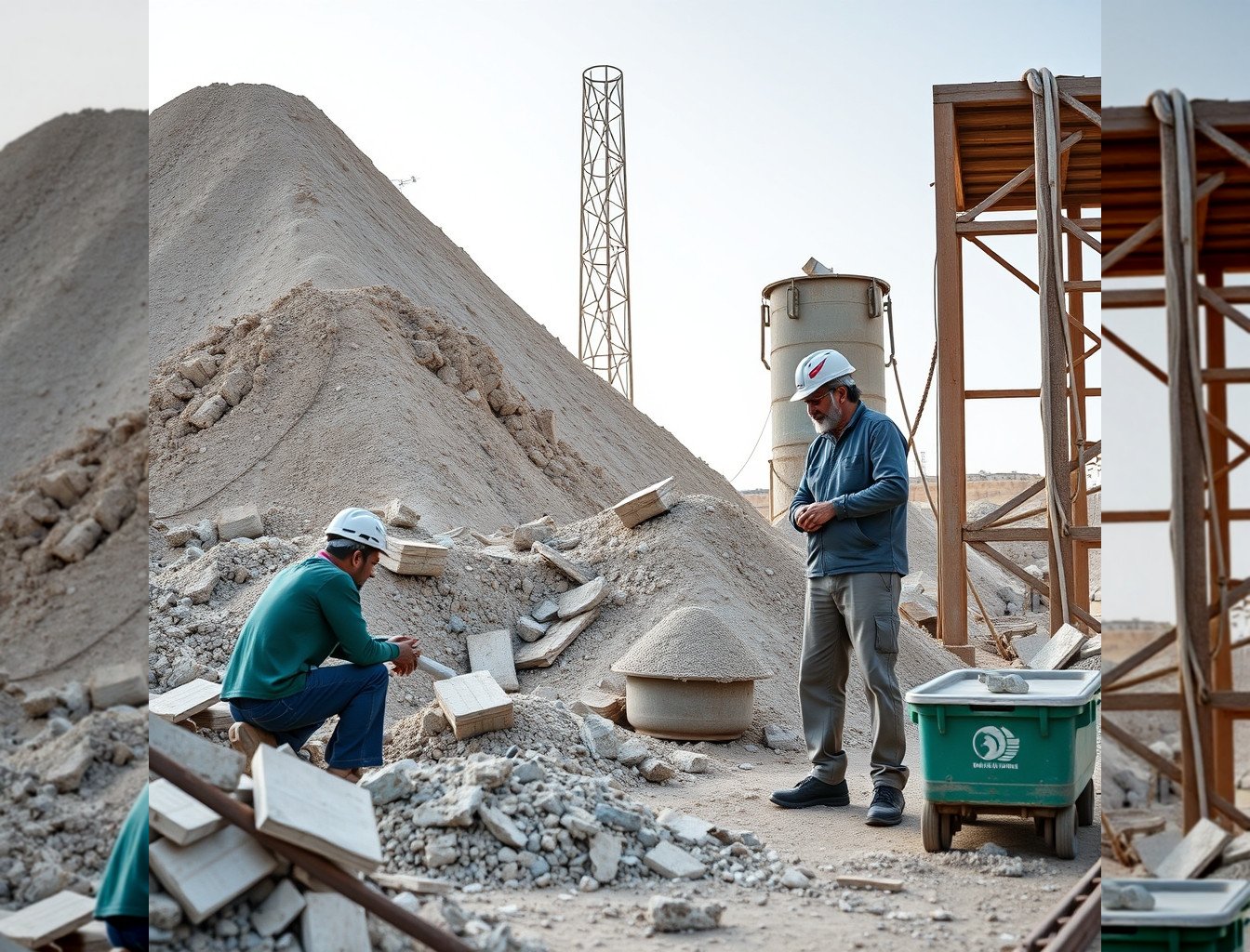
Algeria’s white cement industry has just shipped 22,000 tons to Guatemala, marking the first major export of the product to Central America. The deal, handled by the Port of Annaba, signals a shift: Algerian small and medium-sized enterprises (SMEs) are no longer just competing in North Africa but testing global markets. For entrepreneurs in construction materials, this export opens doors—but also raises questions about logistics, competition, and whether Algeria’s SMEs can replicate this success.
A rare export win for Algerian cement makers
The 22,000-ton order to Guatemala represents a 10% jump in export volumes for Algerian white cement this year, according to industry sources. While exact prices aren’t disclosed, white cement typically sells for $150–$200 per ton in international markets—far higher than domestic prices. For SMEs struggling with weak local demand, this is a lifeline.
Why Guatemala? The hidden demand in Latin America
The deal wasn’t accidental. Algerian exporters have been quietly courting Latin American markets for years, leveraging Algeria’s free trade agreements with Mexico and Peru (signed in 2022). The Guatemala shipment suggests these efforts are paying off. For SMEs watching this, the message is clear: if one deal can go through, others will follow.
The SME challenge: Can Algerian firms scale exports?
– Logistics costs: Shipping from Annaba to Central America adds $30–$50 per ton in freight, cutting into profits.
– Competition: Turkish and Spanish cement firms already dominate Latin American markets with lower prices.
– Payment risks: Many Latin American buyers prefer letter of credit arrangements, which require upfront bank guarantees—a challenge for cash-strapped SMEs.
Yet, the Guatemala deal proves it’s possible. Ciments de Béjaïa, which supplied part of the shipment, has already received inquiries from Panama and Colombia. The key? Packaging exports as part of a larger strategy, not a one-off sale.
What this means for Algeria’s construction SMEs
1. Target high-value niches, not just volume
2. Use diaspora networks as a bridge
3. Partner with ports and state-backed exporters
4. Prepare for payment hurdles
The bigger picture: Algeria’s export push
The challenge? Scaling up. One shipment to Guatemala won’t transform Algeria’s cement industry. But if 10 more SMEs follow suit, the cumulative effect could be significant. The Port of Annaba, for instance, has doubled its container traffic in 2026, signaling growing export activity.
Key takeaway for entrepreneurs
💡 Starting a business in Algeria? GlobalStart guides you step by step: procedures, real costs, company forms (SARL, EURL, SPA) and CNRC registration.