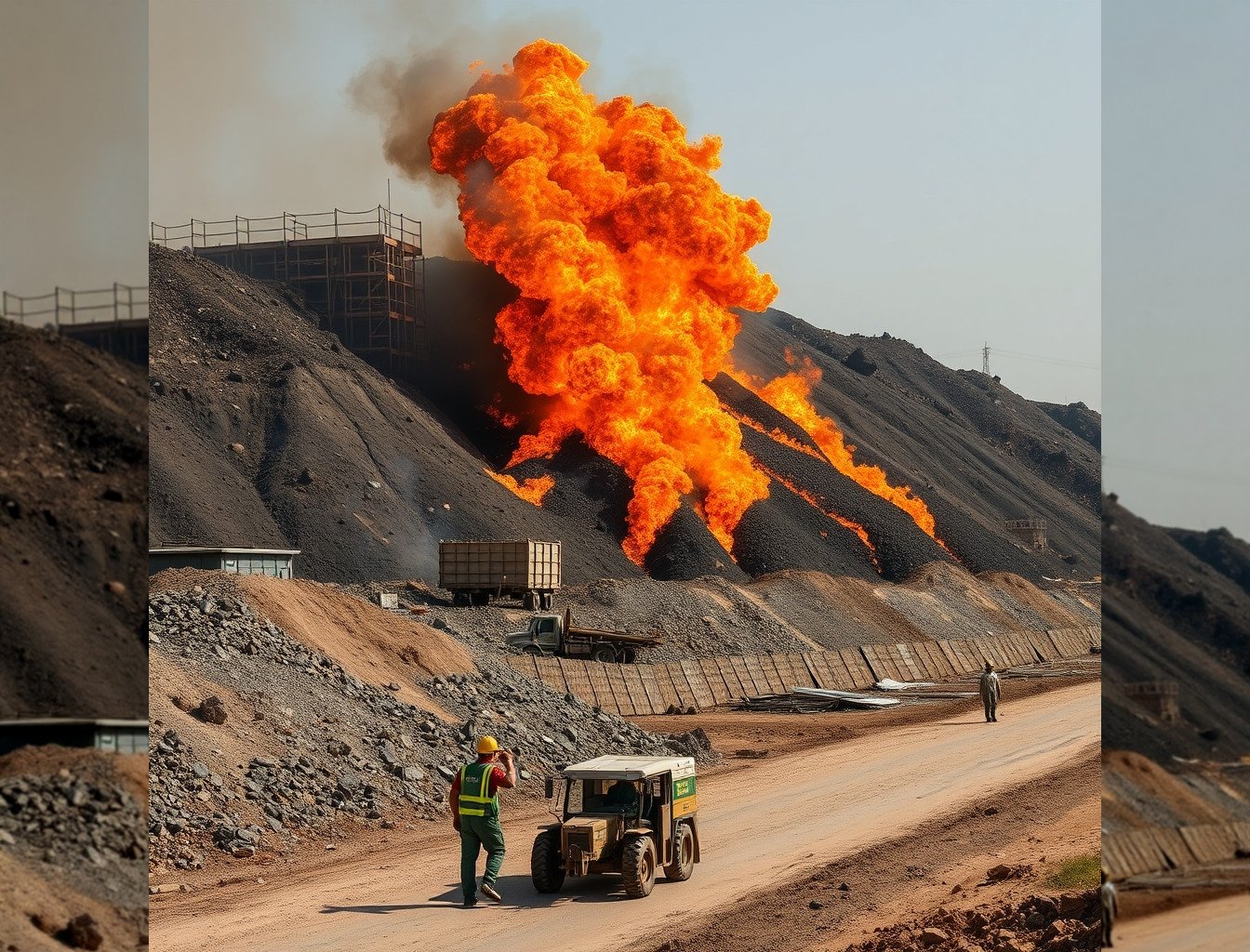
Wildfires Force Immediate Costs, Delayed Recovery for Affected Entrepreneurs
Impact on local businesses:
– Tourism operators in Bejaïa face lost revenue from closed forest access zones. The region’s DZD 5 billion (USD 44 million) annual tourism sector relies on hiking trails and rural stays.
– Agricultural SMEs report 30-50% crop losses in olive and citrus orchards. The DZD 15 billion (USD 130 million) wildfire damage estimate includes DZD 8 billion (USD 70 million) in lost harvests.
– Insurance claims for destroyed property are rising, but coverage remains limited. Only 12% of Algerian SMEs hold fire insurance, per the Association of Algerian Insurers.
Legal pressure on arsonists:
Four individuals are in pre-trial detention for setting fires in forest properties. This follows a 2023 law tightening penalties for environmental crimes, which now carries 5-10 years in prison for arson causing major damage.
Trade Deficit with EU Hits USD 4.5 Billion—Exporters Face Pressure
Key data for exporters:
– Top EU markets: Italy (USD 5.2 billion), France (USD 4.8 billion), Spain (USD 3.5 billion).
– Non-hydrocarbon exports—agricultural, textiles, and light industry—fell 8% in volume due to EU tariff adjustments on Algerian dates and textiles.
– Diaspora remittances (USD 3.5 billion in 2023) now exceed 40% of Algeria’s trade surplus with the EU, reducing pressure on exporters.
Morocco’s indirect role:
While Algeria-Morocco relations remain frozen, Moroccan firms are gaining EU market share in phosphates and automotive parts—sectors where Algeria has struggled with export delays due to port congestion.
Compensation Delays Create Cash Flow Gaps for Small Producers
Business implications:
– Micro-lenders in affected regions see default rates rise by 20% among agricultural SMEs.
– Cooperative societies (e.g., Union des Agriculteurs de Bejaïa) face DZD 300 million (USD 2.6 million) in unpaid loans from members awaiting compensation.
– Black-market resale of aid goods (e.g., subsidized seeds, tools) has emerged in hard-hit villages, cutting into official distribution channels.
Legal Crackdown on Crime and Arson Signals Higher Enforcement Costs
Impact on businesses:
– Security costs rise for rural enterprises. The National Gendarmerie has deployed 2,000 additional officers to forest zones, increasing private security contracts by 15% in high-risk areas.
– Construction permits in wildfire-prone regions now require fire-resistant material certifications, adding DZD 50,000-100,000 (USD 430-870) per project in compliance costs.
– Tourism investors in mountainous areas face higher insurance premiums after the 2023 wildfire risk classification upgrade by local underwriters.
Diaspora Remittances Outpace Trade—But Currency Risks Persist
Key figures for entrepreneurs:
– USD 1.2 billion of remittances were converted to foreign currency (USD, EUR) via unofficial channels, bypassing the DZD 135/USD official rate.
– Diaspora-owned businesses (e.g., import-export firms, real estate) report 20% higher profits in 2023 due to stronger demand for foreign goods.
– Banking restrictions on large cash transfers persist. The Central Bank’s DZD 50,000 limit per transaction forces diaspora families to split payments, increasing fees.
Wildfire Recovery: A Test for Public-Private Partnerships
Opportunities for entrepreneurs:
– Forestry and reforestation firms (e.g., Société Nationale des Parcs Nationaux) are seeking DZD 1.5 billion in bids for tree-planting projects.
– Agro-industrial SMEs can access subsidized loans for drought-resistant crop research, but application deadlines are tight.
– Tourism operators in less-affected regions (e.g., Tlemcen, Constantine) see 10-15% revenue growth as competitors in Bejaïa recover.
Trade War with Morocco Looms as EU Ties Strain
Business risks:
– Algerian phosphate exporters (e.g., Société des Phosphates d’Oued Naama) report 10% lower EU orders as Moroccan competitors offer faster shipping terms.
– Textile manufacturers in Oran and Annaba face higher EU import duties after Algeria’s 2023 textile quality disputes with Brussels.
– Diaspora-owned import firms in France and Italy are shifting supply chains to Morocco for lower-cost inputs, reducing demand for Algerian goods.
Key Takeaway for Entrepreneurs
💡 Starting a business in Algeria? GlobalStart guides you step by step: procedures, real costs, company forms (SARL, EURL, SPA) and CNRC registration.