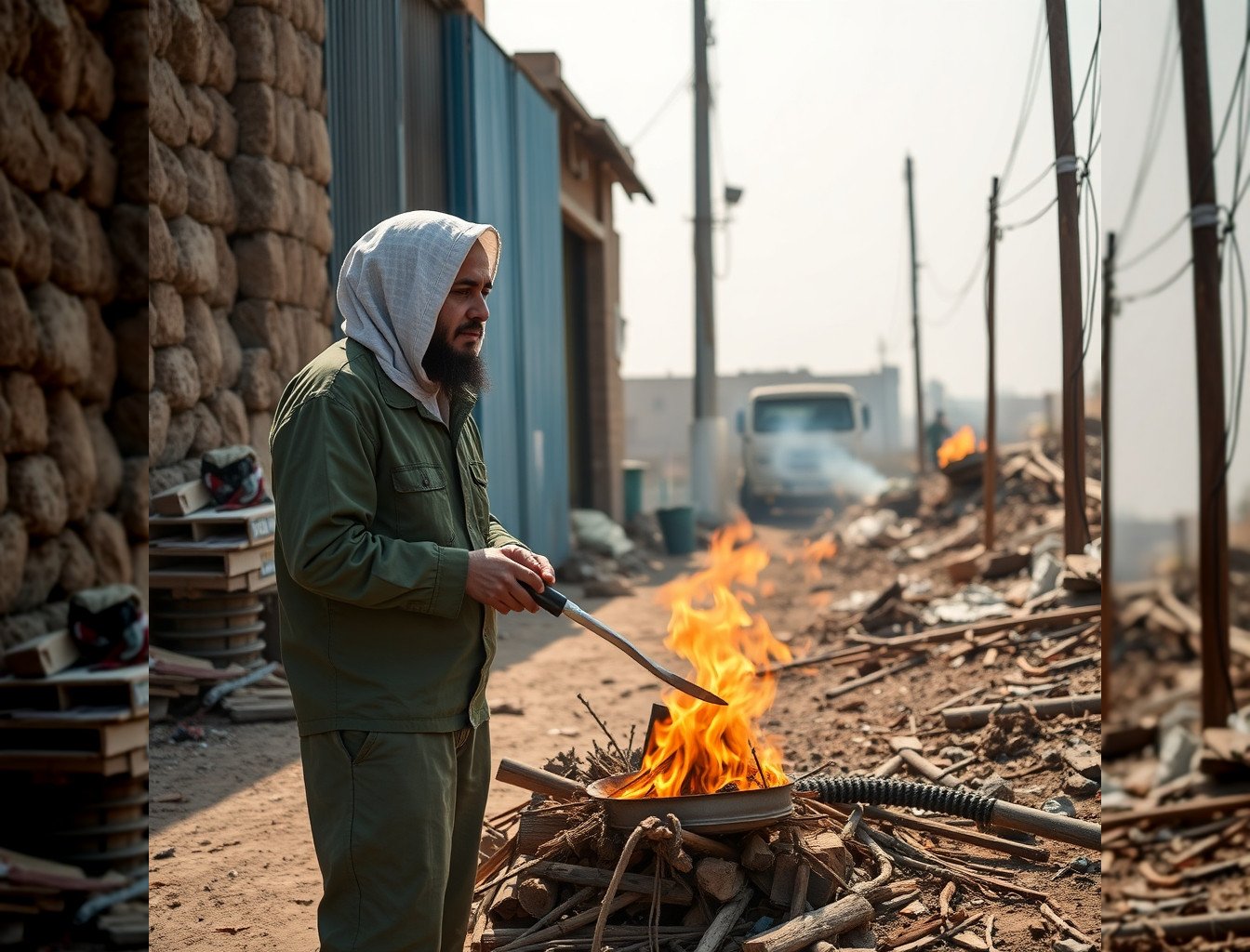
The Slow Burn: How Algeria’s Wildfire Compensation Favors Homeowners Over Businesses
The Ministry of Housing and Urban Planning released the first batch of compensation decisions on May 10. Payments are set to begin in June 2024, covering 30,000 victims across four hard-hit regions. Yet even as homeowners prepare to receive checks ranging from 500,000 DZD to 2 million DZD, small businesses—already reeling from destruction—remain in limbo.
Bejaïa, Tizi Ouzou, Boumerdès, and Algiers bear the brunt of the damage. Entire neighborhoods were reduced to ash, but while private residences move toward reimbursement, commercial properties face a bureaucratic bottleneck. The Ministry of Commerce has confirmed that only 360 of the 1,200 small business claims submitted have been approved. The rest are stuck in a verification process that demands far more than homeowners must provide.
Why Businesses Are Left in the Dark
The gap between residential and commercial compensation stems from stricter documentation rules. Homeowners need proof of ownership and damage assessments. Businesses, however, must also submit tax records, lease agreements, and insurance verification—requirements that many lack, especially informal traders.
Diaspora-owned enterprises face an additional hurdle: notarized ownership documents and a power of attorney for a local representative. The June 30 deadline looms, but late submissions will not be processed. For entrepreneurs already struggling to recover, the delay risks financial collapse before aid even arrives.
The Economic Scorch Mark: Which Sectors Are Dying?
The wildfires didn’t just destroy property—they gutted entire industries. In Bejaïa, 600 shops in the commercial center were burned to the ground. Tizi Ouzou’s tourism sector lost 150 guesthouses, many in forested areas where fires spread unchecked. Boumerdès’ agriculture sector suffered the most: 800 olive groves were wiped out, leaving farmers with no harvest and no income.
Rebuilding costs are staggering. The government allocated 3 billion DZD for reconstruction, but private investors now face skyrocketing insurance premiums—up 5-10% due to heightened fire risks. Without compensation, many businesses will never reopen.
The Compensation Maze: A Step-by-Step Survival Guide for Entrepreneurs
For small business owners still clinging to their claims, time is running out. The process begins with submitting all required documents—tax records, leases, and insurance proof—before the June 30 cutoff. Delays risk permanent exclusion.
Entrepreneurs should act immediately. The Ministry’s slow pace favors homeowners, leaving businesses to fend for themselves. Without urgent intervention, entire sectors—retail, tourism, agriculture—could vanish before compensation even reaches those who qualify.
Key Takeaway for Entrepreneurs
Small business owners must submit claims now or risk losing compensation entirely. The bureaucratic hurdles are designed to filter out the unprepared, but with the deadline approaching, hesitation could mean the difference between survival and closure. Those who act fast may yet secure aid—but only if they meet every requirement before June 30.
Sources
💡 Starting a business in Algeria? GlobalStart guides you step by step: procedures, real costs, company forms (SARL, EURL, SPA) and CNRC registration.