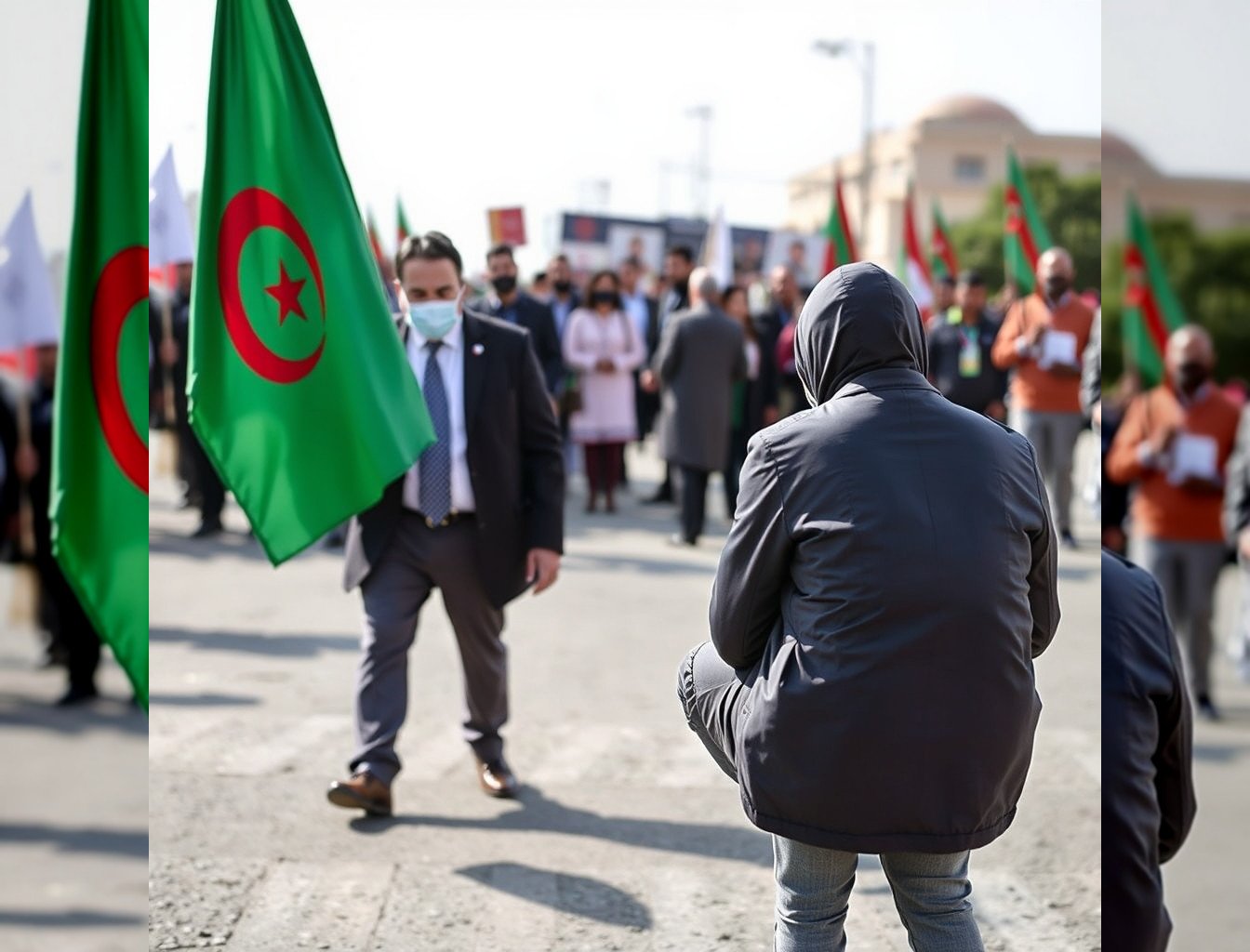
Algeria’s recent decision to reintroduce the death penalty for child abusers and kidnappers has sent shockwaves through the business community, investors, and the Algerian diaspora. The move, announced by President Abdelmadjid Tebboune this week, marks a sharp turn in the country’s legal approach to crime—but it also raises critical questions about stability, investor perception, and the long-term impact on Algeria’s economic ambitions.
A Legal Hammer with Economic Ripples
Algeria has long struggled with inconsistent legal frameworks, particularly in property rights and contract enforcement. The death penalty ruling—while morally justified—adds another layer of uncertainty. “Investors already grapple with bureaucratic hurdles and slow judicial processes,” says a source close to the Algerian Chamber of Commerce. “Now, they must factor in the risk of sudden, high-profile legal shifts that could affect labor laws or corporate liability.”
The move also risks complicating Algeria’s push to attract foreign direct investment (FDI). In 2025, FDI inflows stood at just $2.1 billion, a fraction of peers like Morocco ($3.5 billion) or Tunisia ($2.8 billion). While the government cites security as a priority, businesses fear that harsh penalties could deter skilled expatriates—critical for sectors like tech and energy.
Diaspora Investors Watch Closely
Many in the diaspora—particularly in France, Canada, and the Gulf—have hesitated to invest due to perceived instability. “The diaspora controls an estimated $150 billion in remittances and informal investments,” notes economist Karim Benali. “If they see this as a step toward authoritarianism, they may redirect funds elsewhere.”
Business Sectors Most at Risk
1. Tourism & Hospitality
Algeria’s tourism sector, which grew by 8% in 2025, relies on foreign visitors. The death penalty ruling, while not directly targeting tourists, could fuel perceptions of a “hostile” legal environment. Resorts in Algiers and Oran may see delayed investments if potential buyers fear unintended legal risks.
2. Tech & Startups
Algeria’s startup ecosystem, though nascent, has seen growth in fintech and renewable energy. The ruling could deter foreign venture capital if investors perceive Algeria as legally unpredictable. “We need stability to attract seed funding,” says a founder of a Berber-language app startup. “This move doesn’t help.”
3. Energy & Infrastructure
SONATRACH and other state-linked firms operate in high-risk zones. While the death penalty targets criminals, not businesses, the broader legal uncertainty could slow down joint ventures. Foreign partners may demand stricter guarantees before proceeding.
The Diaspora’s Silent Withdrawal
“Many in the diaspora are asking: Is this the Algeria we want to support?” says a Paris-based Algerian entrepreneur. “If the state keeps tightening its grip, we’ll invest where we feel safer—like Morocco or the UAE.”
A Missed Opportunity for Reform
Key Takeaway for Entrepreneurs
💡 Starting a business in Algeria? GlobalStart guides you step by step: procedures, real costs, company forms (SARL, EURL, SPA) and CNRC registration.