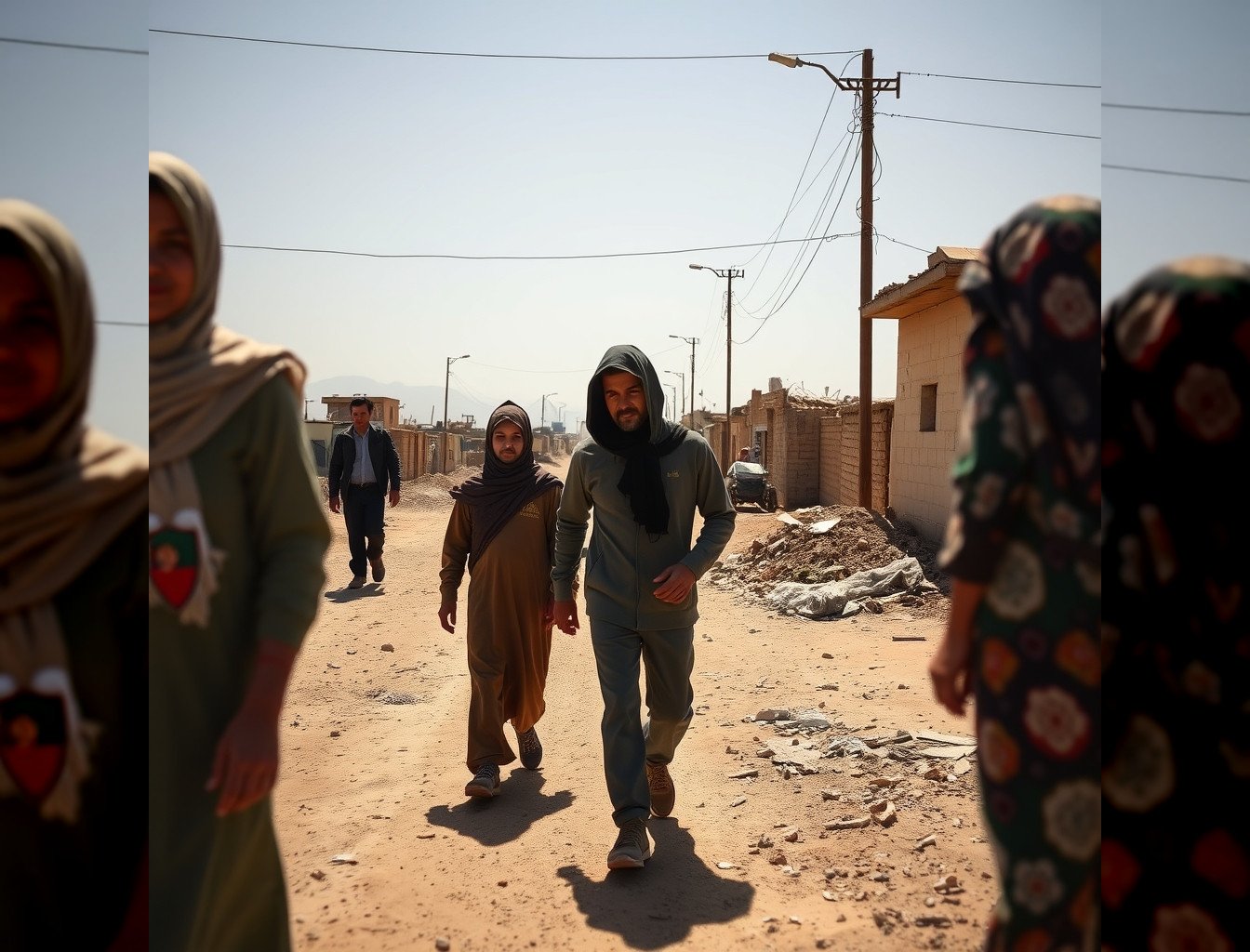
Algeria’s recent wildfires left thousands of homeowners in Bejaia province facing financial ruin. This week, the government launched a compensation operation, but for entrepreneurs and the diaspora, the real question is whether this relief will spur recovery—or expose deeper systemic flaws.
A fragile start to recovery
The compensation process began Sunday in Bejaia, where wildfires destroyed or damaged hundreds of homes in 2025. According to Algérie Presse Service (APS), affected property owners will now receive official decisions on payouts, though exact amounts remain unclear. The operation follows months of delays, with many victims still living in temporary shelters or with relatives.
For small business owners in Bejaia, the fires were a double blow. Many ran shops, cafés, or artisan workshops near the affected areas—now reduced to ashes. One local baker, who lost his oven and storage, told APS he had already spent his savings on repairs. “I’m not just losing my home; I’m losing my livelihood,” he said.
How much will entrepreneurs get—and will it be enough?
The Algerian government has not disclosed exact compensation figures, but past wildfire aid programs suggest payouts will range from 500,000 to 2 million dinars per severely damaged property. For context, Algeria’s average monthly salary is around 45,000 dinars—meaning a single fire could wipe out a family’s annual income.
Entrepreneurs in tourism-dependent areas like Tazmalt or Akfadou face a harsher reality. Hotels and guesthouses near the coast were gutted, and reconstruction costs will dwarf any government aid. One guesthouse owner in Tazmalt, who employed 15 staff, said he had no insurance and no way to restart. “The compensation won’t cover rebuilding,” he warned. “We need loans, not handouts.”
The diaspora’s silent role in rebuilding
Algerians abroad—many of whom sent remittances totaling $8.5 billion in 2025—are now being asked to step in. Some in France, Canada, and Europe have already launched crowdfunding campaigns for Bejaia victims, but coordination with local authorities remains chaotic. APS reports that some diaspora groups are offering direct cash transfers, bypassing official channels.
This raises a critical question: Can informal aid fill the gaps where state support falls short? For entrepreneurs, the answer depends on trust. If compensation is slow or inconsistent, many may turn to diaspora networks instead of waiting for bureaucratic processes.
A test for Algeria’s disaster-response system
The wildfires exposed weaknesses in Algeria’s emergency preparedness. While the military and civil defense teams acted quickly to contain the blazes, the compensation process has been marked by delays. In 2023, similar fires in Kabylie left victims waiting over a year for aid.
For business founders, this signals a broader risk: Algeria’s lack of robust disaster insurance or rapid-recovery funds. Most small enterprises operate without protection, leaving them vulnerable to future crises. The National Office for Disaster Risk Reduction (ONDR) has yet to announce long-term prevention measures, such as controlled burns or early-warning systems.
What’s next for Bejaia’s economy?
Reconstruction will take years, and entrepreneurs are already planning how to adapt. Some are shifting to online sales, while others are exploring eco-tourism—though the latter requires new infrastructure. The government’s recent decision to waive taxes for affected businesses is a step, but more is needed.
One silver lining: the fires have forced a reckoning with urban planning. Bejaia’s hilly terrain and dense construction made fires spread faster, but local architects say this could push a shift toward fire-resistant materials and wider evacuation routes. If implemented, these changes could protect future investments.
Key takeaway for entrepreneurs
Compensation alone won’t revive Bejaia’s economy—entrepreneurs need faster aid, clearer insurance options, and diaspora partnerships to rebuild. Those planning investments in high-risk areas should demand better disaster planning from local authorities. For the diaspora, this crisis is a chance to channel remittances into sustainable recovery, not just short-term relief. Without urgent reforms, Algeria’s next wildfire could leave another generation of business owners in ruins.
💡 Starting a business in Algeria? GlobalStart guides you step by step: procedures, real costs, company forms (SARL, EURL, SPA) and CNRC registration.