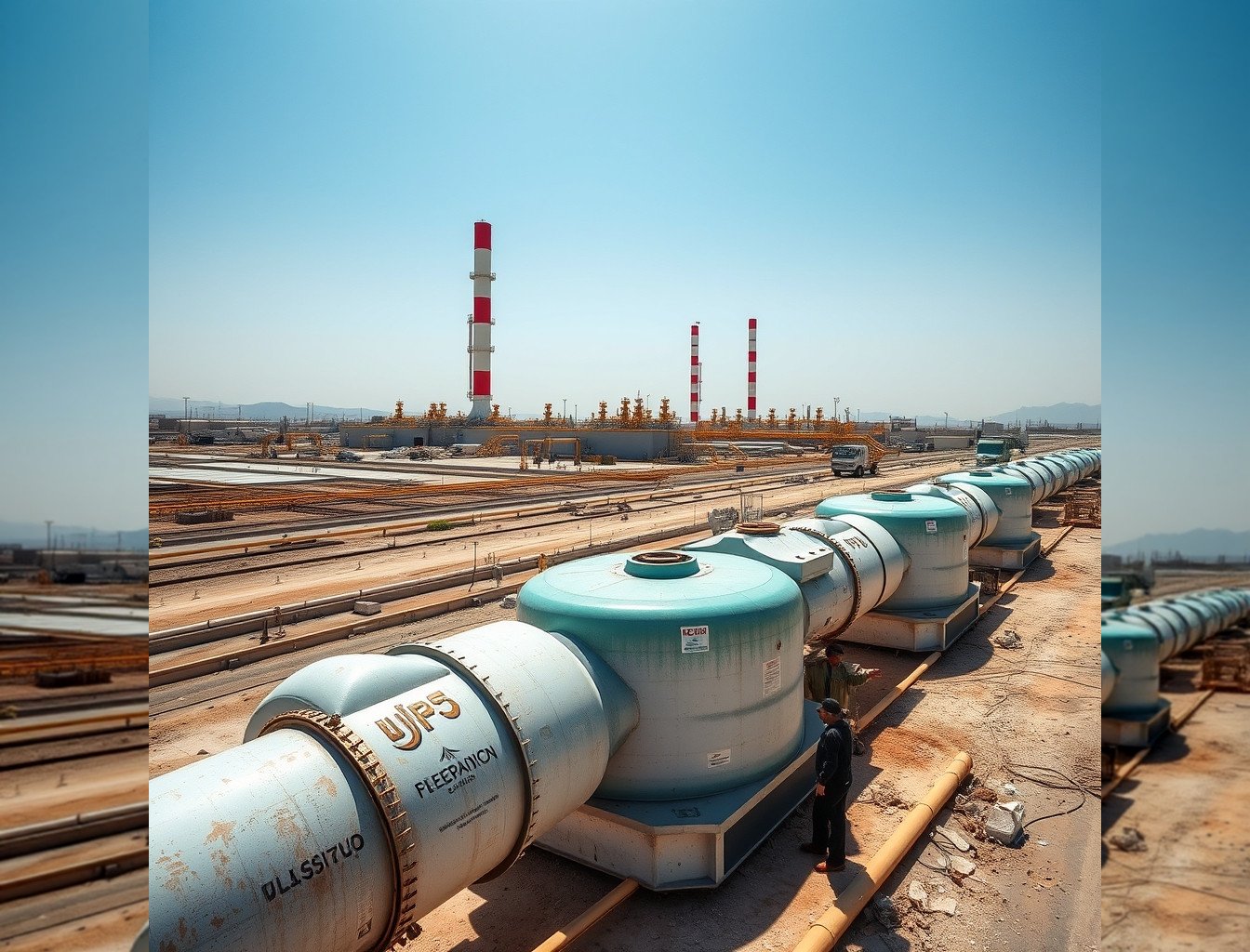
Gas pipelines, investment reforms and a race for African energy dominance
## The gas pipeline’s two-speed race
Nigeria’s exit from the European gas market leaves Algeria and Morocco as the only suppliers pushing ahead. Algeria’s pipeline to Europe, valued at $13 billion, aims to link Niger and Nigeria to European markets. Morocco’s separate link targets Spain. Both projects face delays but remain critical for Algeria’s energy exports.
## Investment reforms follow Angola’s oil playbook
Algeria’s Investment Promotion Agency is adopting reforms similar to Angola’s post-oil recovery strategy. A single-window system for investors is being strengthened. The IMF has been briefed on these changes. For entrepreneurs, this means faster approvals and clearer procedures.
Startups, stock market access and a Kenyan funding gap
## Startup funding: Algeria vs. Kenya
Kenya’s startup ecosystem raised $984 million in 2025. Algeria’s total for the year remains in the millions. The stock market reforms could attract more venture capital. Entrepreneurs should watch for regulatory updates.
## Business creation: A structured approach
A 10-step guide for startups has been published. Steps include market research, legal registration, and funding strategies. This aligns with Algeria’s push to formalize entrepreneurship.
Freelancing visa crackdown and SME financing risks
## Freelancing: New barriers for Algerian workers
France’s visa restrictions target short-term stays for freelancers. Algerian digital nomads may face longer processing times. Entrepreneurs relying on French clients should adjust visa strategies.
## SME financing: Compliance over innovation
Algeria’s new financial tech rules focus on anti-terrorism measures. This could slow down fintech adoption. SMEs seeking alternative funding must navigate stricter oversight.
English in schools, AI deals with Russia and a nuclear security bloc
## Education: English as a tool for business
Primary school students will now learn English. This could improve Algeria’s workforce for tech and trade sectors. Entrepreneurs in export-oriented fields will benefit.
## AI and Russia: A high-tech alliance
Algeria is exploring AI cooperation with Russia. Joint funding and university research are part of the deal. For tech startups, this could mean new funding opportunities.
## Security bloc: Algeria’s geopolitical leverage
Algeria is part of a new security alliance with Libya and three Sahel nations. This could open defense contracts and infrastructure deals. Entrepreneurs in logistics and security services should monitor developments.
Healthcare, agriculture and the oil revenue paradox
## Healthcare: A political signal
Bouteflika’s appearance suggests internal power struggles. Entrepreneurs in healthcare should watch for policy shifts. No immediate business impact is expected.
## Oil revenues: The social spending trap
Algeria’s oil income covers only 30% of social spending needs. Agriculture relies on subsidies. Entrepreneurs in agribusiness face uncertain funding conditions.
Weekly highlights: What entrepreneurs need to know
Freelancers face visa hurdles in France. SMEs must comply with stricter financial rules. English education reforms may boost tech and trade sectors. AI partnerships with Russia could create new opportunities.
The nuclear security bloc signals Algeria’s growing regional influence. Oil revenues remain insufficient for social stability. Entrepreneurs should track energy, education, and geopolitical developments.
Key takeaway for entrepreneurs
Algeria’s gas pipeline projects and investment reforms create opportunities in energy and trade. Startups must compete with stricter financing rules and lower funding than Kenya. Freelancers and SMEs face new compliance hurdles, while AI and education reforms could open long-term sectoral growth.
Sources
- Carnegie Endowment for International Peace
- Welcome to the United Nations
- Middle East Research and Information Project
- waya.media
- Middle East Eye
💡 Starting a business in Algeria? GlobalStart guides you step by step: procedures, real costs, company forms (SARL, EURL, SPA) and CNRC registration.