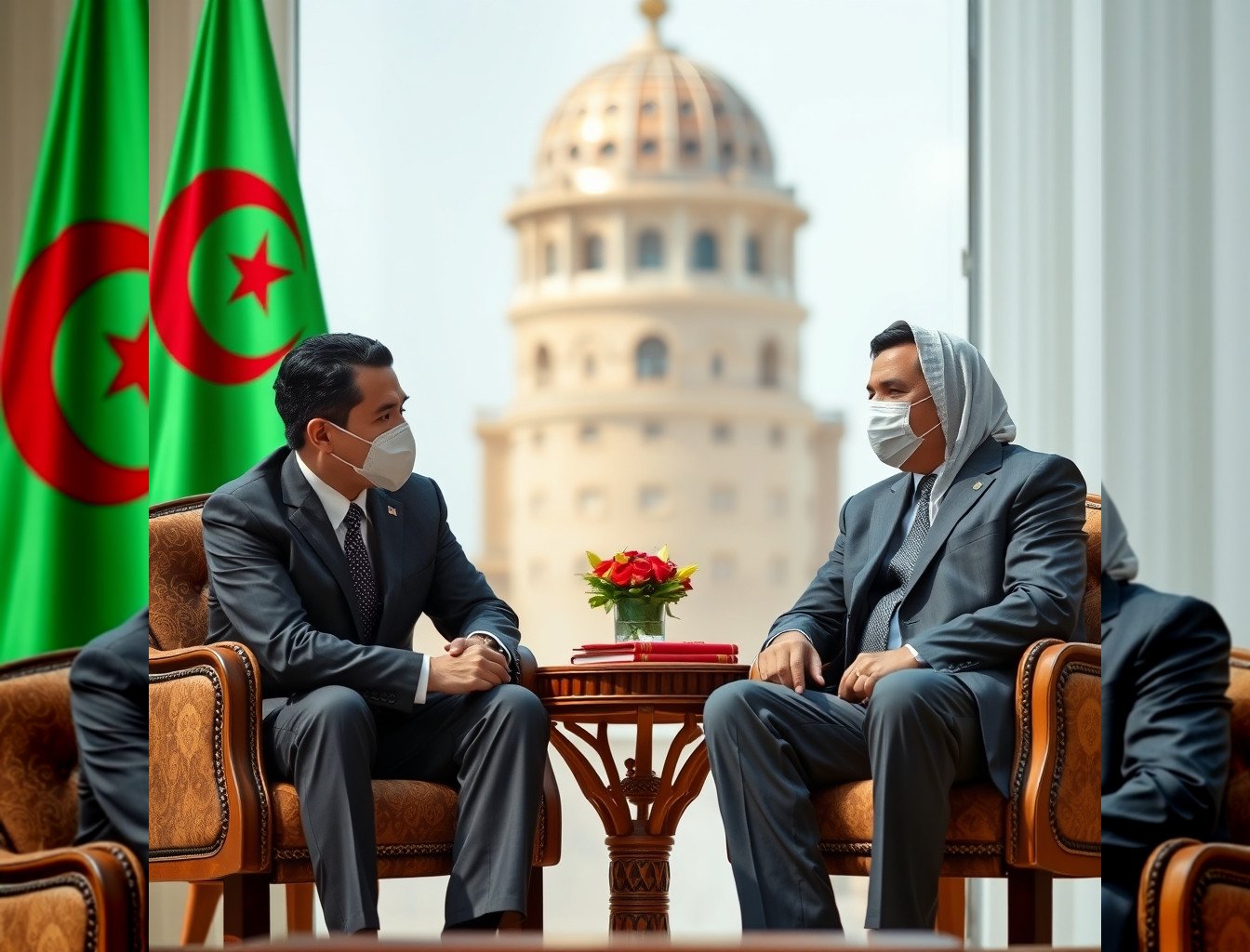
Diplomacy: Sahara sparks, Spain stays silent, Morocco digs in
Morocco’s response was swift. Rabat cut diplomatic ties with Algeria in 2021 and has since blocked land routes for Algerian trucks (costing Algerian exporters $1.3 billion/year in lost trade). The rivalry now plays out in third countries: Algeria’s €500 million annual arms deals with Turkey and €800 million in gas sales to Europe via Spain are direct counters to Morocco’s EU lobbying.
For entrepreneurs:
– Exporters shipping via Morocco face delays of 30+ days and higher freight costs (up 40% since 2021).
– Diaspora-linked businesses (remittance services, real estate) benefit from political stability in Algeria but must monitor Spain’s stance—a potential gateway for investment.
– Energy sector startups could capitalize on Algeria’s LNG expansion (12 million tons/year by 2025) if Europe tightens gas supply chains.
History: Colonial scars resurface, Paris massacre remembered
The Pope’s visit added another layer. Pope Francis cited St. Augustine’s Algerian roots but avoided political statements. Meanwhile, Algiers’ real estate market—where French investors own 15% of luxury properties—faces tighter scrutiny. The Central Bank of Algeria (BAA) has restricted foreign currency exits since 2022, hitting high-end sectors.
For entrepreneurs:
– Tourism startups targeting French visitors must navigate visa restrictions and political sensitivity.
– Diaspora remittances (€1.5 billion/year) are stable but government controls on currency exchanges add friction.
– Real estate developers in Algiers must diversify buyer pools—Chinese and Gulf investors now account for 40% of luxury sales.
Tech: StartAlgeria launches, Italy backs innovation, digital platforms grow
Italy signed a $300 million innovation pact with Algeria, targeting AI, renewable energy, and digital infrastructure. Separately, two new platforms—Wizbii (career networking) and Algeria Startup (funding matchmaking)—launched to connect 12,000 registered startups with investors.
Barriers remain:
– Internet speeds average 15 Mbps (vs. 50 Mbps in Morocco), slowing digital growth.
– Banking restrictions limit fintech scaling—only 3% of Algerians use digital wallets (vs. 50% in Tunisia).
For entrepreneurs:
– Fintech founders must work with licensed banks (e.g., BNP Paribas Algérie) to bypass central bank limits.
– Agritech startups can tap €1 billion in EU agricultural funds if they align with Algeria’s food security plans.
– Remote workers (a growing diaspora trend) face tax uncertainties—Algeria has no double-taxation treaty with France.
Cities: Algiers splits—luxury vs. austerity, Pope’s fleeting impact
The Pope’s visit drew 50,000 pilgrims but had no direct economic impact. Meanwhile, Algiers’ tech scene is concentrated in two areas:
1. Sidi Fredj (startups, co-working spaces).
2. Hydra (traditional business hub, now hosting blockchain meetups).
For entrepreneurs:
– Co-working spaces in Algiers charge $150–$300/month—cheaper than $500+ in Casablanca but face power outage risks (120 days/year).
– Retailers in middle-class neighborhoods must adapt to cash shortages—80% of transactions are still in dinars.
– Event organizers can target diaspora networks (e.g., Algerian-French business forums).
Week in review: Geopolitics vs. digital bets
Key takeaway for entrepreneurs
Algeria’s diplomatic tensions create trade disruptions but also opportunities in energy, tech, and diaspora-linked sectors. Startups with local partnerships (banks, government) will outpace those relying on foreign capital. Infrastructure weaknesses (internet, banking) are the biggest hurdle—solving them is the fastest path to scaling.
Sources
- TechAfrica News
- al24news.dz
- Daily Sabah
- theguardian.com
- AP News
- vijesti.me
💡 Starting a business in Algeria? GlobalStart guides you step by step: procedures, real costs, company forms (SARL, EURL, SPA) and CNRC registration.