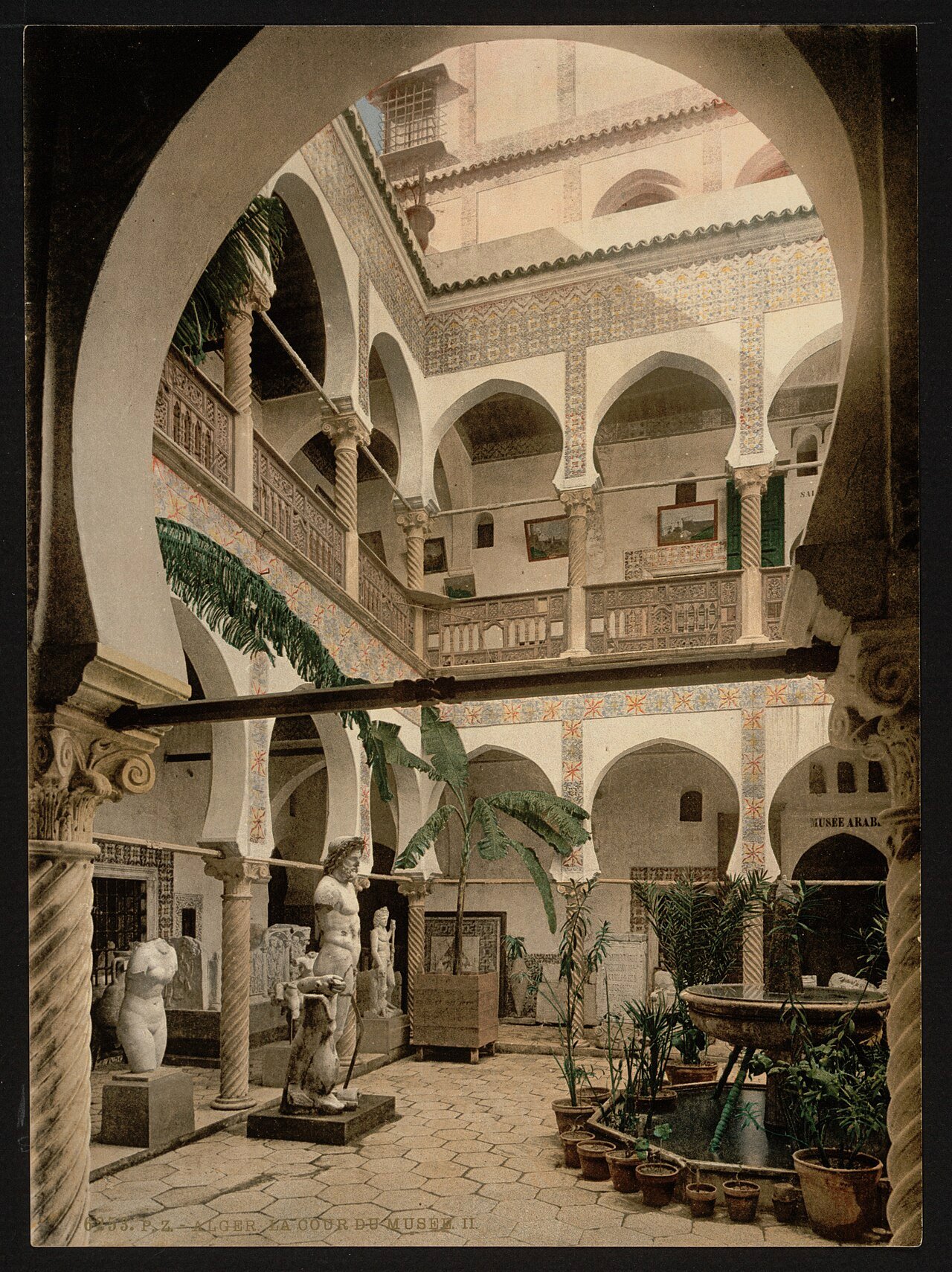
Algeria has ordered private Francophone schools to integrate Arabic into their curricula, a move that could reshape education, business ties with France, and the country’s linguistic identity. The decision, announced recently, targets institutions that have long operated under French-language programs, including those affiliated with the Association des Écoles Francophones d’Algérie (AEFA). While the government insists all languages remain welcome, the shift raises questions about its impact on entrepreneurs, the diaspora, and Algeria’s economic openness.
A linguistic shift with economic stakes
The mandate affects a network of schools that have historically served Algeria’s urban elite, particularly in cities like Algiers, Oran, and Constantine. These institutions, often linked to French cultural and business networks, have been key in producing professionals fluent in both Arabic and French—a skill set valued in trade, finance, and technology sectors. According to AP News, the government’s move could disrupt this balance, as Arabic instruction may require additional teacher training, curriculum adjustments, and potential increases in operational costs for schools.
For entrepreneurs operating in Algeria, the decision introduces uncertainty. Many business founders rely on Francophone schools to train bilingual employees, a critical advantage in sectors like tourism, real estate, and import-export. The shift may force companies to invest in internal language training or partner with local universities to bridge gaps. Meanwhile, firms with French headquarters could face higher compliance costs if they must adapt hiring or training programs to meet the new linguistic requirements.
Diaspora ties and brain drain risks
The Algerian diaspora, particularly in France, has long been a source of remittances, investment, and cultural exchange. Francophone schools play a role in maintaining these connections by producing graduates who can navigate both Algerian and French professional environments. The curriculum change could weaken these ties if families perceive the schools as less aligned with their children’s future opportunities abroad.
Remittances from the Algerian diaspora to Algeria exceeded $2.5 billion in 2022, according to World Bank data, with many transfers supporting education and business ventures. If the shift discourages diaspora families from enrolling their children in Francophone schools, it could reduce demand for related services—from tutoring to international school fees—and indirectly affect local service providers.
Business and education: a delicate balance
The government’s insistence that all languages are welcome may ease concerns among some entrepreneurs, but the practical implementation remains unclear. Private schools will need to adjust their teaching methods without disrupting enrollment or quality, a challenge given Algeria’s tight labor market for qualified educators. The Association des Écoles Francophones d’Algérie (AEFA) has not yet commented on how schools will comply, leaving business owners to speculate about potential disruptions.
For tech startups and digital firms, the change could present both risks and opportunities. Companies targeting French-speaking markets may need to ensure their workforce remains bilingual, while those focused on Arabic-language services could see increased demand for content creation, translation, and localization. However, the transition period may create short-term inefficiencies, particularly for small businesses with limited resources.
Long-term implications for Algeria’s economy
Algeria’s economy has historically relied on hydrocarbon exports, but diversification efforts—including in education and services—have gained momentum. The Francophone school network has been a soft power tool, fostering connections with French businesses and institutions. The curriculum mandate could alter this dynamic, potentially reducing Algeria’s appeal as a destination for French investment in sectors like energy, agriculture, and infrastructure.
Entrepreneurs in Algeria’s growing private sector must now weigh the benefits of maintaining French-language proficiency against the government’s push for Arabic integration. Those in export-oriented industries, such as food processing or textiles, may need to reassess their hiring strategies to ensure their workforce meets evolving linguistic demands.
Key takeaway for entrepreneurs
The curriculum change introduces operational challenges for businesses dependent on bilingual employees, particularly in trade and services. Entrepreneurs should monitor how schools adapt to the new requirements and consider proactive measures, such as internal language training or partnerships with universities, to mitigate disruptions. Meanwhile, the shift may reshape Algeria’s economic ties with France, requiring businesses to reassess their strategies for accessing both local and international markets.
Sources
- AP News
💡 Starting a business in Algeria? GlobalStart guides you step by step: procedures, real costs, company forms (SARL, EURL, SPA) and CNRC registration.