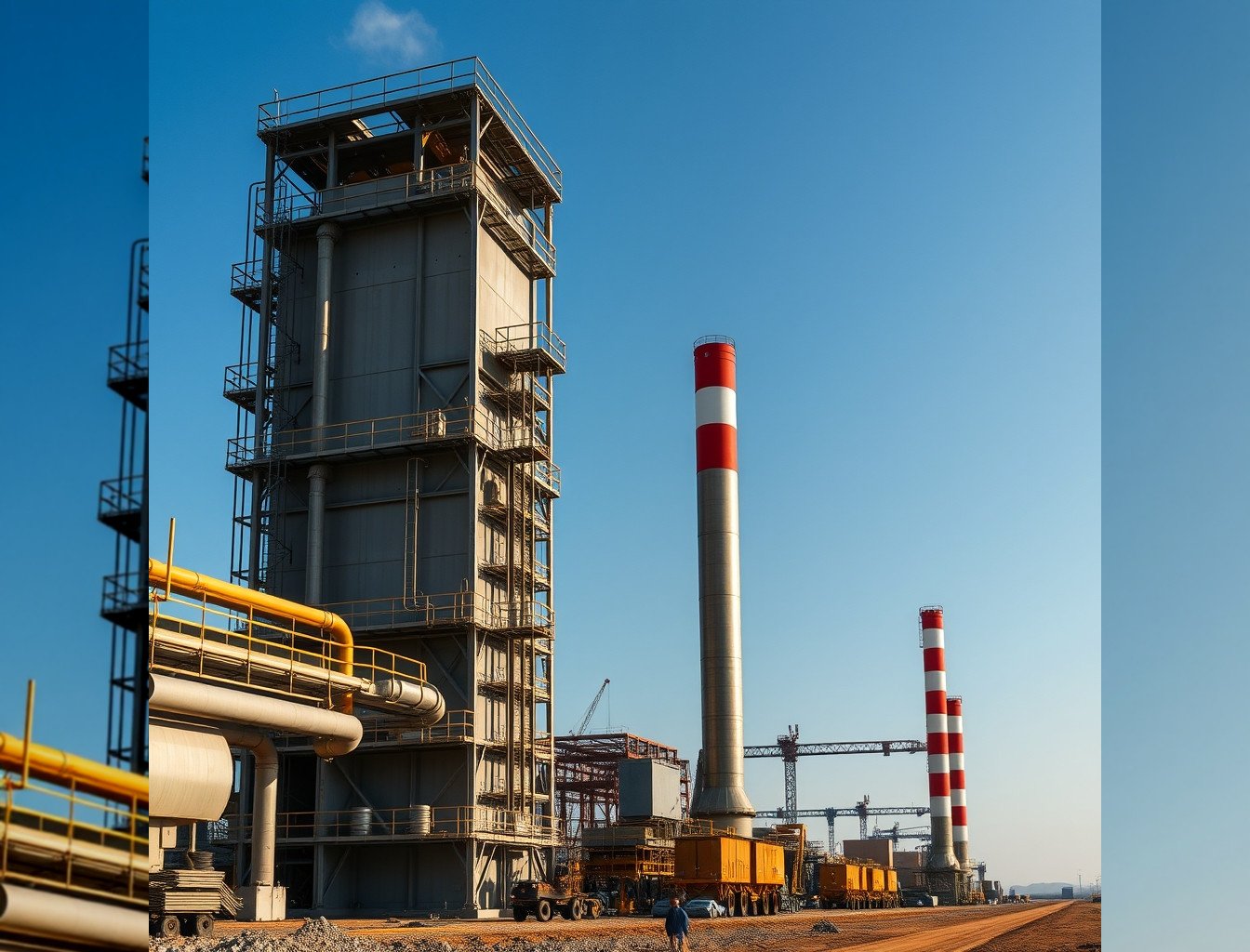
Egyptian steel giant Ezz Steel is set to build a $780 million production plant in Algeria, marking a strategic shift in its export footprint beyond its home market. According to waya.media, the new facility will strengthen Algeria’s industrial base while positioning the country as a regional steel hub. For Algerian entrepreneurs and the diaspora, this investment signals both opportunities and competitive pressures in the local manufacturing sector.
The $780 million plant will be one of the largest industrial projects in Algeria in recent years. Ezz Steel, a dominant player in Egypt’s steel industry, has not disclosed the exact location or timeline for the project, but the scale of the investment suggests long-term commitment. The company currently operates multiple plants in Egypt, with an annual production capacity of 7 million tons. Its expansion into Algeria reflects a broader strategy to diversify production and tap into North Africa’s growing demand for steel, driven by infrastructure projects and housing developments.
For Algeria’s business ecosystem, the plant could act as a catalyst for ancillary industries. Steel production requires inputs like iron ore, coal, and energy—sectors where local suppliers could benefit. Entrepreneurs in logistics, raw material processing, and industrial equipment may see new contracts emerge. The plant’s construction phase alone is expected to create thousands of jobs, providing a short-term boost to employment in the region. However, the arrival of a major foreign player also raises questions about competition for local steel producers, some of which operate at smaller scales and may struggle to match Ezz Steel’s efficiency and pricing.
The investment aligns with Algeria’s broader economic goals of reducing imports and boosting exports. Steel is a key component in construction, a sector that has seen steady growth due to government-backed housing programs. By producing steel locally, Algeria could cut its reliance on imports, which have historically drained foreign currency reserves. For entrepreneurs in construction and real estate, a stable domestic steel supply could lower costs and improve project timelines. The plant’s export potential also opens doors for Algerian-made steel to enter markets in sub-Saharan Africa, where demand is rising but supply chains remain fragmented.
The Algerian diaspora, particularly those in Europe and North America, may find opportunities in this development. Many diaspora members have experience in industrial supply chains, logistics, and trade finance—sectors that will be critical to the plant’s operations. Some may explore partnerships with Ezz Steel or local suppliers to facilitate exports or provide technical expertise. Additionally, the project could attract diaspora investment in related industries, such as renewable energy, which is increasingly used in steel production to reduce carbon emissions.
One challenge for local entrepreneurs will be adapting to the scale and efficiency of a multinational player. Ezz Steel’s operations in Egypt are known for their vertical integration, from raw material sourcing to finished products. Algerian businesses will need to innovate or specialize to compete, whether by focusing on niche steel products, improving supply chain logistics, or adopting new technologies. The government’s role in fostering a competitive environment—through policies on energy pricing, customs, and local content requirements—will be crucial in determining how widely the benefits of this investment are shared.
The plant’s success could also influence Algeria’s broader industrial policy. If Ezz Steel’s model proves profitable, it may encourage other foreign manufacturers to invest in Algeria, particularly in sectors like automotive parts, chemicals, and pharmaceuticals. For startups and SMEs, this could mean more opportunities to supply inputs or services to larger industrial players. However, it also underscores the need for Algeria to improve its business climate, including streamlining bureaucracy, reducing energy costs, and ensuring reliable infrastructure—areas where entrepreneurs have long voiced concerns.
Key takeaway for entrepreneurs
Ezz Steel’s $780 million plant in Algeria presents immediate opportunities in supply chain, logistics, and construction, but local businesses must prepare for heightened competition. The project could also position Algeria as a steel export hub, creating long-term demand for industrial services and expertise from the diaspora. Entrepreneurs should assess how to integrate into this new ecosystem, whether through partnerships, specialization, or innovation.
Sources
- waya.media
💡 Starting a business in Algeria? GlobalStart guides you step by step: procedures, real costs, company forms (SARL, EURL, SPA) and CNRC registration.