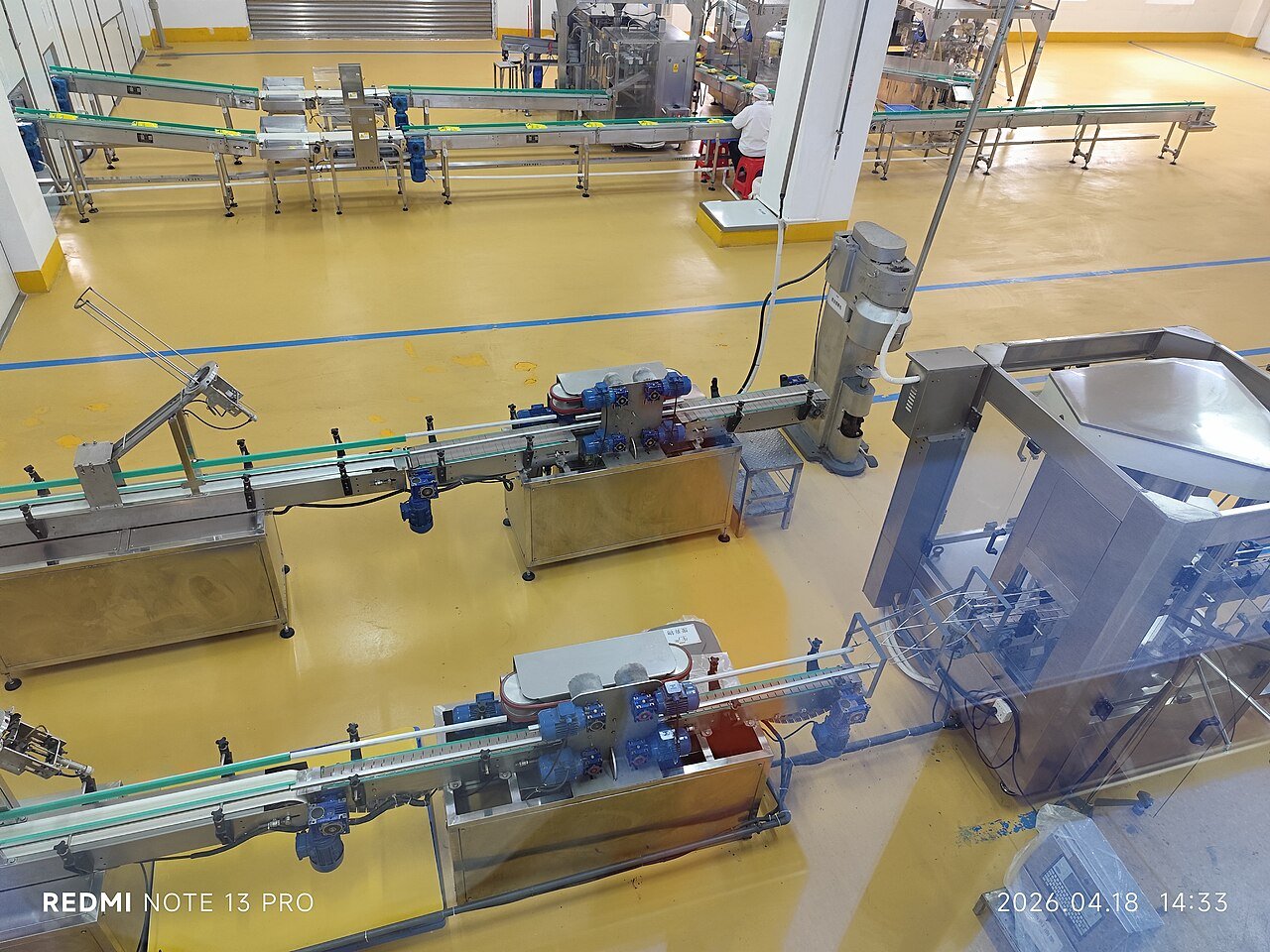
Jingdong Steel’s $500 million steel production facility in Algeria has reached 60 percent completion, according to Steel Orbis. The project, located in the industrial zone of Bellara near Jijel, is on track for partial commissioning by the end of 2026. Once operational, the plant will produce 2 million tonnes of steel annually, targeting both domestic and export markets.
The investment marks one of the largest foreign direct investments in Algeria’s steel sector in the past decade. Jingdong Steel, a subsidiary of the Chinese conglomerate JD Group, secured the project through a public-private partnership with Algeria’s state-owned steel company, Sider. The deal includes a 30-year concession, with Jingdong Steel holding a 51 percent stake and Sider retaining 49 percent.
For Algerian entrepreneurs, the plant’s development signals growing opportunities in downstream industries. The facility will produce long steel products, including rebars and wire rods, which are essential for construction and manufacturing. Local businesses in metal fabrication, machinery, and infrastructure could benefit from a more stable and competitive supply chain. The project also includes plans for a 200-megawatt power plant to ensure energy self-sufficiency, reducing reliance on Algeria’s national grid.
The plant’s location in Bellara, a port city on the Mediterranean, enhances its export potential. Algeria’s government has prioritized industrial zones near ports to facilitate trade, and Jingdong Steel’s facility is expected to leverage this infrastructure. Entrepreneurs in logistics, shipping, and warehousing may see increased demand for services as the plant ramps up production.
For the Algerian diaspora, the project offers a potential avenue for investment and collaboration. Many Algerians abroad have expertise in construction, engineering, and trade—sectors that could align with the plant’s output. The government’s push for public-private partnerships also creates opportunities for diaspora investors to participate in similar ventures, particularly in industries tied to infrastructure and manufacturing.
The steel plant’s progress reflects broader trends in Algeria’s industrial strategy. The country has been working to diversify its economy beyond hydrocarbons, with steel production identified as a key sector. Algeria’s steel consumption has grown steadily, driven by urbanization and government-led infrastructure projects. However, domestic production has struggled to meet demand, leading to reliance on imports. Jingdong Steel’s plant aims to address this gap, reducing Algeria’s import bill and strengthening its industrial base.
Entrepreneurs should note the plant’s potential to lower input costs for local manufacturers. Steel is a critical raw material for industries ranging from automotive to appliances, and a stable domestic supply could improve competitiveness. The project also aligns with Algeria’s goal of increasing non-oil exports, which could create new markets for businesses in related sectors.
The partnership with Jingdong Steel highlights Algeria’s efforts to attract foreign expertise and capital. The government has introduced incentives for foreign investors, including tax breaks and streamlined approval processes. Entrepreneurs considering joint ventures or technology transfers in heavy industries may find Algeria’s regulatory environment increasingly favorable.
Key takeaway for entrepreneurs
Jingdong Steel’s $500 million plant in Bellara will boost local steel supply, lowering costs for construction and manufacturing businesses. The project’s export focus and energy self-sufficiency create opportunities in logistics and downstream industries. Algerian diaspora investors with expertise in steel-related sectors may find new collaboration prospects in the country’s growing industrial ecosystem.
Sources
- Steel Orbis
💡 Starting a business in Algeria? GlobalStart guides you step by step: procedures, real costs, company forms (SARL, EURL, SPA) and CNRC registration.