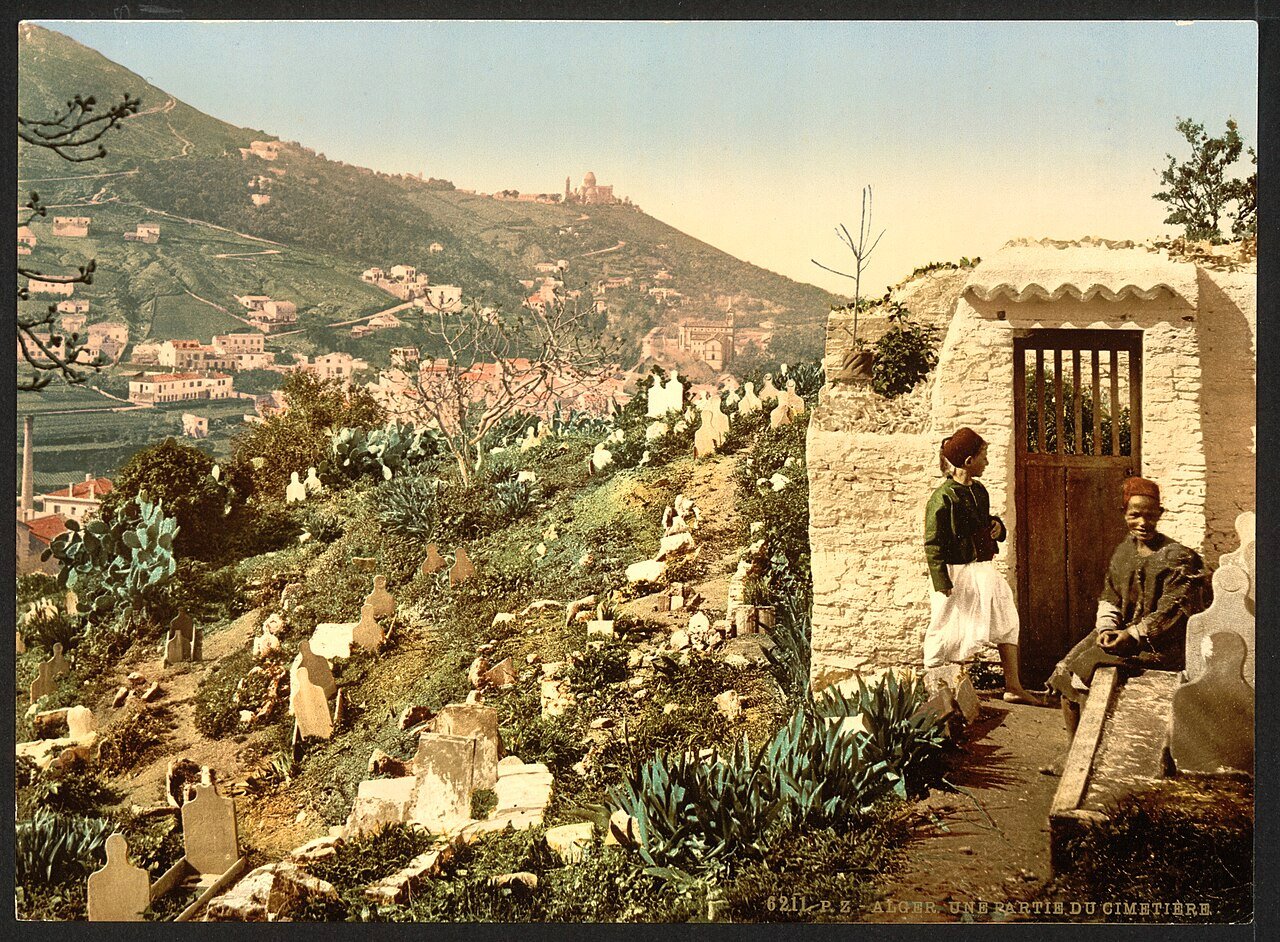
The oasis towns of southern Algeria are making their voices heard. According to Africa Is a Country, local communities in places like Timimoun, Adrar, and Djanet are pushing back against decades of neglect and mismanagement that threaten their cultural and economic lifelines. The article highlights how the preservation of Saharan oasis heritage is no longer just a cultural issue—it has become a business imperative for entrepreneurs, investors, and the Algerian diaspora.
The stakes are high. Algeria’s southern oases, home to ancient ksour (fortified villages), palm groves, and traditional irrigation systems known as foggaras, have long been a draw for tourists and researchers. But years of underinvestment, water scarcity, and climate change have eroded these assets. In Timimoun, for example, the iconic red ksar—a UNESCO-recognized site—has suffered from structural decay, while Adrar’s foggaras, which once sustained entire communities, are drying up. According to the article, local activists and business owners warn that without urgent action, these heritage sites could lose their UNESCO status, a blow to both identity and revenue.
For entrepreneurs, this crisis presents both risks and opportunities. Tourism in southern Algeria has been a niche but growing sector, with visitors drawn to the region’s unique architecture, desert landscapes, and cultural festivals. In 2018, Algeria’s Ministry of Tourism reported that domestic and international visitors to the south generated an estimated 12 billion dinars (around $90 million at the time) in revenue. However, the lack of infrastructure—poor roads, limited accommodations, and unreliable water supplies—has stifled growth. The article notes that local hoteliers and tour operators in Djanet and Tamanrasset have struggled to scale their businesses, despite high demand from adventure tourists and Algerians living abroad.
The diaspora is playing a key role in this dynamic. According to Africa Is a Country, Algerians in France, Canada, and the Gulf states have been investing in small-scale tourism projects, from guesthouses to guided desert tours. These ventures often rely on family networks and word-of-mouth marketing, but they face bureaucratic hurdles, including slow permit processes and restrictions on foreign currency transfers. The article cites the case of a diaspora entrepreneur in Montreal who launched a desert trekking company in Tamanrasset but had to navigate a maze of regulations to repatriate profits. Despite these challenges, the diaspora’s financial and cultural ties to the south make it a critical player in reviving the region’s economy.
Water management is another pressing issue with direct business implications. The foggaras, a 1,000-year-old system of underground canals, have been the backbone of oasis agriculture, but many are now defunct due to neglect and over-extraction. In Adrar, farmers and cooperatives have started restoring foggaras with support from international NGOs, but the work is slow and labor-intensive. For agribusinesses, this presents an opportunity: date palm cultivation, a major export for Algeria, could benefit from modernized irrigation techniques. The country is already the world’s fifth-largest date producer, with exports worth $150 million in 2018, but the south’s potential remains untapped. Entrepreneurs in food processing and organic farming are eyeing the region as a source of premium products, but they need reliable water access to scale.
The article also highlights the role of local artisans and cooperatives in preserving heritage while creating jobs. In Timimoun, women-led cooperatives produce traditional textiles and pottery, selling them to tourists and online buyers. These businesses are small—most employ fewer than 10 people—but they provide a lifeline for families in areas with few formal job opportunities. The Algerian government has launched initiatives like the “National Fund for Crafts” to support these ventures, but access to funding and markets remains limited. For diaspora investors, these cooperatives offer a low-risk entry point into the southern economy, with the added benefit of social impact.
The push for heritage conservation is also reshaping the narrative around the south. According to Africa Is a Country, young Algerians in the diaspora are increasingly interested in reconnecting with their roots, leading to a rise in “heritage tourism.” This trend aligns with the government’s broader strategy to diversify the economy away from hydrocarbons, which still account for 95% of Algeria’s export revenue. The Ministry of Culture has identified 10 oasis towns as priority sites for restoration, with plans to develop cultural tourism circuits. For entrepreneurs, this means new opportunities in hospitality, digital marketing, and logistics—but only if the infrastructure keeps pace.
Key takeaway for entrepreneurs
Southern Algeria’s oases offer untapped potential for tourism, agribusiness, and artisanal ventures, but success depends on addressing water scarcity and bureaucratic barriers. Diaspora investors can leverage cultural ties to support local cooperatives and small businesses, while larger players should monitor government restoration projects for long-term opportunities. The region’s heritage is not just a cultural asset—it’s an economic one.
Sources
- Africa Is a Country
💡 Starting a business in Algeria? GlobalStart guides you step by step: procedures, real costs, company forms (SARL, EURL, SPA) and CNRC registration.