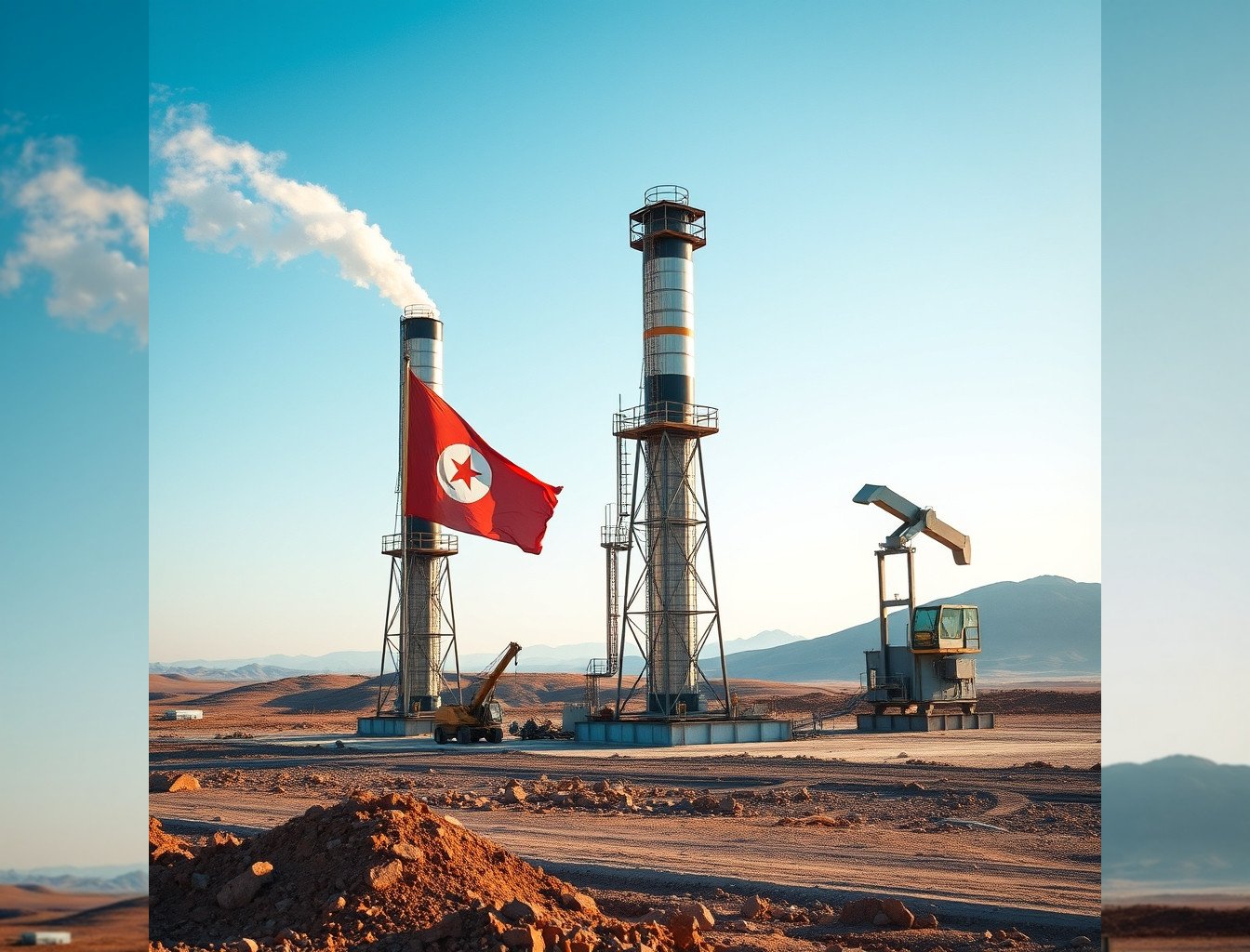
Europe’s energy supply crisis is reshaping investment flows into Algeria’s hydrocarbons sector, with a sharp focus on the country’s untapped shale gas reserves. According to Al Majalla, European policymakers and energy firms are accelerating talks with Sonatrach, Algeria’s state-owned oil and gas giant, to secure long-term shale gas contracts. The shift comes as Europe seeks to reduce dependence on Russian pipeline gas and diversify its energy mix amid geopolitical tensions and supply disruptions.
Sonatrach’s shale gas potential has long been known but remained largely undeveloped due to technical challenges, high extraction costs, and environmental concerns. Algeria holds the world’s third-largest technically recoverable shale gas reserves, estimated at 20 trillion cubic meters, according to the U.S. Energy Information Administration. Until recently, these reserves were considered economically unviable, but rising global gas prices and Europe’s urgent need for alternative suppliers have changed the calculus.
The European Commission has reportedly initiated discussions with Sonatrach to explore joint ventures for shale gas extraction, particularly in the Berkine Basin in eastern Algeria. The basin, which spans the provinces of Ouargla and Illizi, is believed to hold some of the most promising shale formations in the country. European energy firms, including France’s TotalEnergies and Italy’s Eni, have expressed interest in partnering with Sonatrach to develop these resources, though no formal agreements have been announced.
For Algeria, the renewed interest in its shale gas presents both opportunities and risks. On the economic front, increased foreign investment could boost government revenues and create jobs in the energy sector. Sonatrach’s 2025-2029 investment plan already earmarks $40 billion for hydrocarbons development, with a portion likely to be directed toward unconventional resources. If shale gas projects materialize, they could help Algeria meet its domestic energy needs while increasing exports to Europe, which currently accounts for over 80% of Algeria’s gas sales.
However, the environmental and social implications of shale gas extraction remain contentious. Hydraulic fracturing, or fracking, the primary method for extracting shale gas, requires large volumes of water and has been linked to groundwater contamination and seismic activity. Algeria faces severe water scarcity, with per capita water availability among the lowest in the world. Environmental groups, including local NGOs and international organizations, have warned that large-scale fracking could exacerbate water shortages and harm fragile ecosystems in the Sahara.
The Algerian government has sought to address these concerns by emphasizing the use of advanced technologies to minimize environmental impact. Sonatrach has stated that it will prioritize water recycling and the use of non-potable water sources for fracking operations. The company has also pledged to conduct environmental impact assessments and engage with local communities before proceeding with any shale gas projects. Despite these assurances, skepticism remains, particularly among rural populations in the Berkine Basin, where water access is already a critical issue.
For Algerian entrepreneurs and business founders, the focus on shale gas could open new avenues for local subcontracting and technology partnerships. Sonatrach’s expansion into unconventional resources is likely to create demand for specialized services, including drilling, logistics, and environmental monitoring. Algerian startups and SMEs with expertise in water management, renewable energy integration, or digital solutions for oilfield operations could find opportunities to collaborate with Sonatrach or its European partners.
The Algerian diaspora, particularly those in Europe, may also play a role in facilitating these partnerships. Many Algerian professionals in the energy sector hold positions in European firms or have experience in shale gas projects abroad. Their networks and technical know-how could help bridge the gap between Algerian and European companies, particularly in areas like project financing, regulatory compliance, and workforce training.
The broader economic implications extend beyond the energy sector. If shale gas projects succeed, they could attract additional foreign direct investment (FDI) into Algeria’s economy, which has long struggled with low FDI inflows outside the hydrocarbons sector. Increased gas exports could also improve Algeria’s trade balance, which has been under pressure due to declining oil prices and rising import costs. However, the risk of over-reliance on hydrocarbons remains, as Algeria’s economy continues to depend heavily on oil and gas revenues, which account for over 90% of export earnings.
For Europe, securing Algerian shale gas would provide a much-needed alternative to Russian supplies, but it is not a short-term solution. Shale gas projects typically take years to develop, and Algeria’s infrastructure for unconventional extraction is still in its early stages. The country’s existing pipeline network, including the Trans-Mediterranean Pipeline to Italy and the Maghreb-Europe Pipeline to Spain, would need upgrades to handle increased gas volumes. Additionally, Algeria’s regulatory framework for shale gas remains underdeveloped, with no specific legislation governing fracking or environmental safeguards.
The European Union’s push for Algerian shale gas also reflects a broader strategy to diversify energy sources and reduce carbon emissions. While natural gas is often touted as a “transition fuel” to replace coal and oil, its role in Europe’s long-term energy mix remains uncertain. The EU’s commitment to achieving net-zero emissions by 2050 means that gas, including shale gas, may only be a temporary solution. This could limit the lifespan of any shale gas investments, making it crucial for Algeria to balance short-term revenue gains with long-term economic diversification.
Key takeaway for entrepreneurs
Algeria’s shale gas reserves are attracting European investment, creating opportunities for local businesses in energy services, water management, and technology. Entrepreneurs with expertise in these areas can position themselves as subcontractors or partners for Sonatrach and its European collaborators. The diaspora’s networks in Europe could also facilitate cross-border deals, but environmental and regulatory risks remain key challenges to monitor.
Sources
- Al Majalla
💡 Starting a business in Algeria? GlobalStart guides you step by step: procedures, real costs, company forms (SARL, EURL, SPA) and CNRC registration.