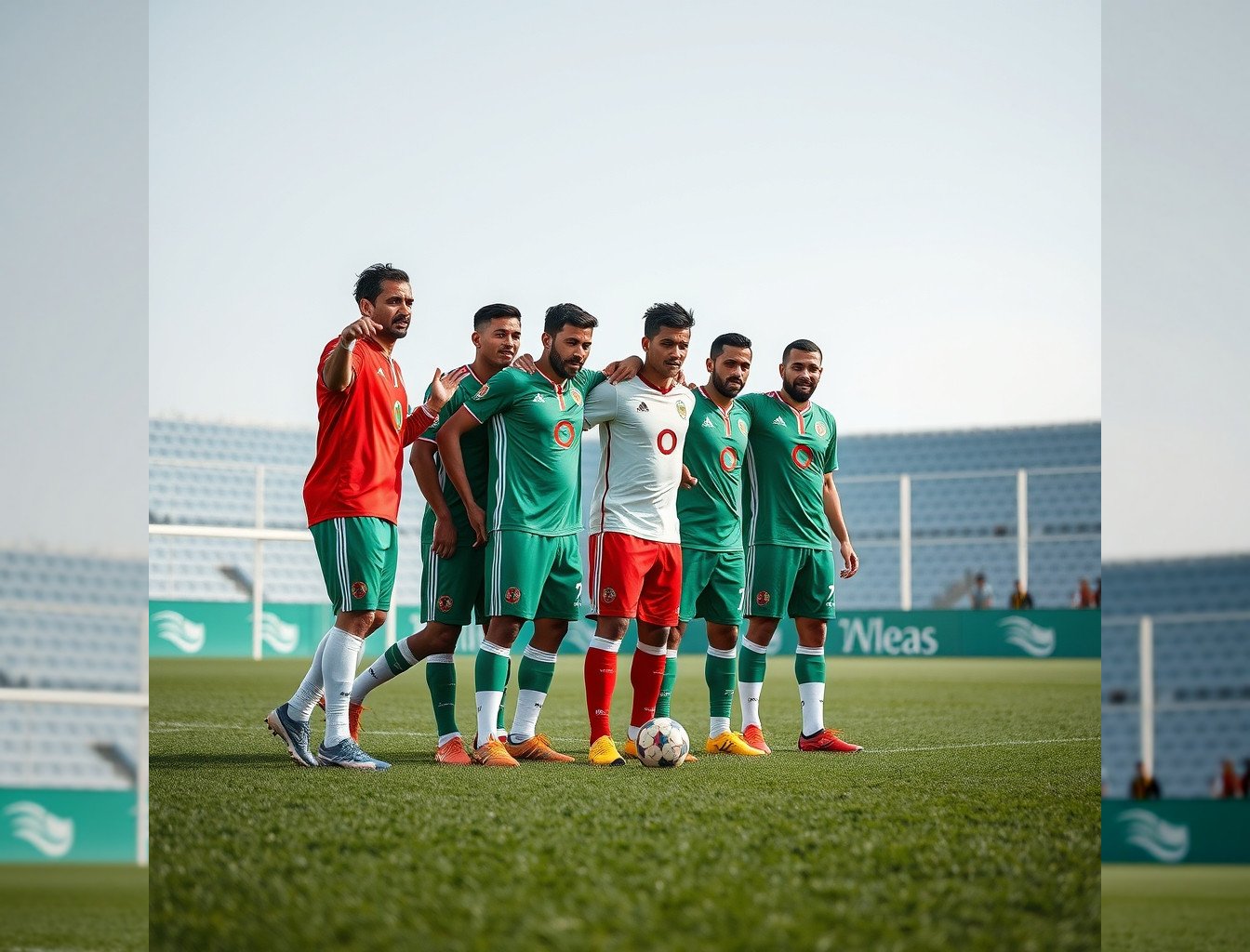
Brighton & Hove Albion’s recent signing of Algerian defender Jaouen Hadjam for a reported £12 million until 2031 has sent ripples through the business world, offering a timely reminder of Algeria’s untapped potential to generate global champions and, by extension, business icons. The deal, announced by Reuters this week, underscores a growing trend: Algeria’s sporting successes are increasingly translating into economic opportunities for entrepreneurs and investors both at home and abroad.
Hadjam’s move to the English Premier League, one of the most-watched sporting leagues globally, comes at a moment when Algeria’s soft power is gaining momentum. According to FIFA rankings released in late 2025, Algeria’s national team climbed to 25th place, its highest position in over a decade. This surge has coincided with increased diaspora engagement, as evidenced by fan clashes in New York’s Times Square and other global hotspots during the 2026 World Cup group-stage matches this week. Such visibility is not merely cultural—it’s a commercial asset.
For entrepreneurs in Algeria, the timing couldn’t be better. The country’s government has been pushing for economic diversification beyond hydrocarbons, with a renewed focus on sports, tech, and entertainment as key sectors. The Ministry of Youth and Sports recently launched the “Algeria Champions” program in 2025, offering grants of up to 50 million dinars (approximately $370,000) to startups in sports infrastructure, digital fan engagement, and athlete management. Similar initiatives have emerged in the diaspora, where associations like the Algerian Business Network in France and Canada are actively funding athletes’ training and branding.
Hadjam’s story is instructive. Born in Algiers and developed at Paradou AC—a club backed by the Algerian private sector—he represents a pathway that other Algerian talents could emulate. Paradou AC, in partnership with Qatari investors, operates one of the most modern academies in North Africa, with an annual budget nearing $8 million. The club’s model demonstrates how private capital and public support can converge to produce elite athletes who later command high transfer fees abroad.
The Premier League deal also highlights the role of agents and intermediaries in monetizing Algerian talent. Hadjam’s transfer reportedly involved multiple European advisors, underscoring the growing influence of Algerian-born agents in brokering high-value deals. This sector, though still fragmented, is ripe for professionalization. Entrepreneurs could seize the opportunity by launching sports talent agencies, digital scouting platforms, or even Algerian-branded academies in Europe to tap into the diaspora market.
At the same time, the business of football in Algeria remains underdeveloped. Despite hosting the 2025 African Cup of Nations, domestic clubs struggle with financial instability. The Football League Professional (LFP) reported that average club revenues in Algeria’s top division totaled just $2.3 million in 2025, a fraction of what top European clubs generate. This gap presents an opening for investors willing to modernize stadiums, enhance broadcasting rights, and develop youth programs.
Diaspora entrepreneurs are already stepping in. In France, the startup Algeria Sports Tech launched a crowdfunding platform in 2025 to support Algerian athletes abroad. It has raised over €1.2 million from 3,000 contributors, primarily Algerian expatriates. Meanwhile, in Montreal, the Fondation des Champions Algériens provides scholarships to young athletes in Canada, with plans to expand to the United States.
The ripple effect of Hadjam’s move extends beyond sports. His success could inspire a new generation of Algerian founders in tech, fashion, and entertainment. The rise of Algerian influencers and content creators on platforms like TikTok and Instagram—many of whom now collaborate with European brands—shows how cultural exports can drive economic growth. According to Meta’s 2025 Algeria Market Report, Algerian creators on Instagram grew by 34% in the past year, with top accounts earning up to $50,000 annually from brand partnerships.
For Algerian entrepreneurs, the lesson is clear: leveraging national pride and global visibility can unlock new revenue streams. Investments in sports, media, and digital platforms—especially those targeting the diaspora—could yield significant returns as Algeria’s global profile continues to rise.
Key takeaway for entrepreneurs: Algeria’s growing global influence in sports and entertainment creates opportunities for startups in athlete management, digital platforms, and diaspora-focused ventures. With government grants up to 50 million dinars available, now is a strategic moment to invest in sectors that bridge culture, technology, and commerce.
Sources
- Roya News
- Yahoo Sports
- Al Jazeera
- Reuters
- Bleacher Report
- TribalFootball
💡 Starting a business in Algeria? GlobalStart guides you step by step: procedures, real costs, company forms (SARL, EURL, SPA) and CNRC registration.